VCB breakers: Key Features for Reliable Medium Voltage Systems
31 Aug, 2026
253 Views 0 Like(s)
Modern power distribution systems require dependable protection to ensure continuous operations and safeguard valuable electrical equipment.
Modern power distribution systems require dependable protection to ensure continuous operations and safeguard valuable electrical equipment. Industries, commercial facilities, and infrastructure projects rely on advanced switching devices to handle medium-voltage applications safely and efficiently. A VCB breaker is one of the most trusted solutions for protecting medium-voltage electrical systems due to its excellent arc interruption capability, long service life, and low maintenance requirements. When integrated with reliable ACB electrical systems for low-voltage protection, it creates a comprehensive electrical safety solution that enhances operational reliability and minimizes downtime.
What Is a VCB Breaker?
A VCB breaker, or Vacuum Circuit Breaker, is a switching device designed to interrupt electrical current under normal operating conditions as well as during overloads and short circuits. It uses a vacuum chamber to extinguish the electrical arc generated when the breaker contacts separate.
Unlike oil-based circuit breakers, vacuum technology offers cleaner operation, reduced maintenance, and higher operational reliability.
VCB breakers are widely used in:
- Industrial manufacturing plants
- Utility substations
- Commercial buildings
- Renewable energy projects
- Mining operations
- Water treatment facilities
- Airports
- Metro rail systems
Their ability to perform efficiently under demanding conditions makes them a preferred choice for medium-voltage networks.

Why Medium Voltage Protection Is Important
Medium-voltage electrical systems distribute large amounts of power to critical equipment and facilities. A fault within these systems can lead to equipment damage, production losses, and safety hazards.
Reliable protection helps organizations:
- Prevent electrical failures
- Improve operational safety
- Protect valuable equipment
- Reduce maintenance expenses
- Minimize production downtime
- Ensure continuous power distribution
Effective protection is essential for maintaining stable and efficient electrical operations.
How a VCB Breaker Works
A vacuum circuit breaker follows a straightforward operating process.
- Current Flow
During normal operation, electrical current passes through closed contacts inside the breaker.
- Fault Detection
Protective relays detect abnormal conditions such as overloads or short circuits.
- Contact Separation
The breaker opens its contacts, creating an electrical arc.
- Arc Extinction
The vacuum chamber rapidly extinguishes the arc, safely interrupting the current and isolating the faulty circuit.
This quick interruption minimizes equipment damage while improving system safety.
Key Features of VCB Breakers
Installing a VCB breaker offers several important benefits.
- Excellent Arc Quenching
Vacuum technology extinguishes electrical arcs efficiently and safely.
- Long Service Life
The sealed vacuum interrupter supports thousands of switching operations with minimal wear.
- Low Maintenance
Vacuum breakers require less servicing than traditional oil-based systems.
- High Reliability
They deliver consistent performance across demanding industrial applications.
- Environmentally Friendly
Vacuum interruption eliminates the need for oil or gas insulation, reducing environmental concerns.
These features make VCB breakers a dependable choice for modern electrical systems.
Understanding ACB Electrical Systems
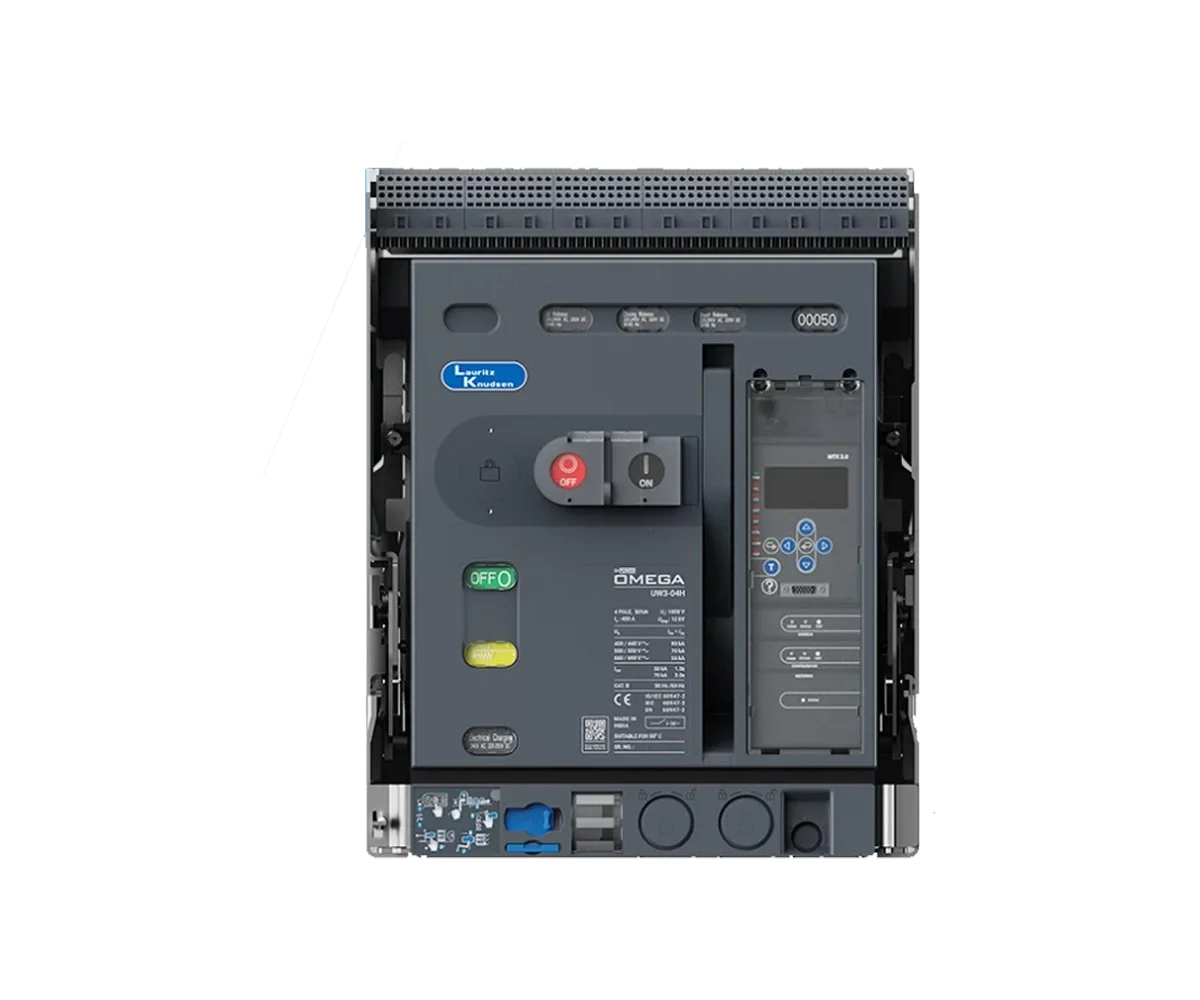
While VCB breakers protect medium-voltage circuits, ACB electrical systems provide protection for low-voltage power distribution.
An Air Circuit Breaker (ACB) is designed to protect electrical installations against:
- Overloads
- Short circuits
- Fault currents
- Equipment damage
ACBs are commonly installed in main electrical panels where high current protection is required.
Benefits of ACB Electrical Systems
Reliable ACB electrical protection offers several advantages.
- High Current Protection
ACBs safely interrupt large fault currents before equipment damage occurs.
- Adjustable Protection Settings
Trip settings can be configured to match application requirements.
- Easy Maintenance
Many ACBs are designed for convenient inspection and servicing.
- Improved System Coordination
Proper coordination with other protection devices enhances overall network reliability.
Together with VCB breakers, ACBs create layered protection across electrical installations.
Applications Across Industries
VCB breakers and ACBs are widely used in various industries.
- Manufacturing
Protect motors, machinery, and production equipment.
- Commercial Buildings
Safeguard electrical distribution, HVAC systems, and elevators.
- Utilities
Support reliable operation of substations and distribution networks.
- Renewable Energy
Protect solar and wind power installations.
- Infrastructure
Ensure dependable power distribution in airports, hospitals, railways, and public facilities.
Their versatility makes them suitable for both industrial and commercial applications.
Best Practices for Installation and Maintenance
Proper maintenance helps maximize equipment performance.
Recommended practices include:
- Perform regular visual inspections.
- Test breaker operation periodically.
- Verify protection settings.
- Tighten electrical connections.
- Clean switchgear compartments.
- Replace worn components promptly.
- Maintain detailed service records.
Preventive maintenance extends equipment life while reducing unexpected failures.
Future Trends in Medium Voltage Protection
Electrical protection technology continues evolving through digital innovation.
Key developments include:
- Smart Circuit Breakers
Digital monitoring provides real-time operating information.
- Remote Diagnostics
Maintenance teams can monitor breaker performance from centralized locations.
- Predictive Maintenance
Advanced analytics identify developing faults before failures occur.
- Intelligent Power Management
Connected protection devices support more efficient energy distribution and monitoring.
These advancements improve system reliability while reducing maintenance costs.
Why Reliable Protection Matters
Investing in dependable electrical protection delivers long-term operational benefits.
Organizations benefit from:
- Improved worker safety
- Better equipment reliability
- Reduced downtime
- Lower maintenance expenses
- Increased operational efficiency
- Longer equipment lifespan
- Greater business continuity
Reliable protection systems form the foundation of safe and efficient power distribution.
Conclusion
Reliable circuit protection is essential for maintaining safe and uninterrupted medium-voltage operations. A VCB breaker provides efficient fault interruption with minimal maintenance, while dependable ACB electrical systems ensure effective protection for low-voltage power distribution. Together, these technologies improve electrical safety, operational efficiency, and long-term system reliability. Lauritz Knudsen Electrical & Automation is powering India as one of the country's largest electrical players and most trusted brands. With a manufacturing footprint of 2.1 million sq. ft. and a legacy of over 70 years, Lauritz Knudsen Electrical & Automation continues to deliver innovative electrical solutions across residential, agricultural, commercial, infrastructure, and industrial sectors while helping shape a brighter and more electrified future for India.


Comments
Login to Comment