Vacuum Sealer Machine Tips for Food Storage
26 Mar, 2026
3885 Views 0 Like(s)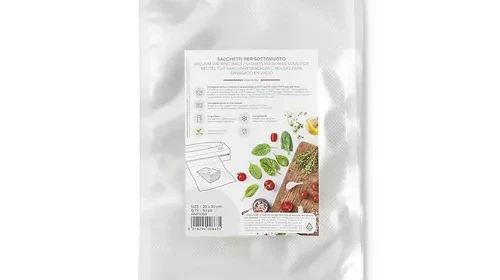
Vacuum Sealer Machine have revolutionised the way we store and preserve food. By creating an airtight seal
Vacuum Sealer Machine have revolutionised the way we store and preserve food. By creating an airtight seal, these devices remove air from packaging, which is the primary culprit behind spoilage. This technology not only extends the freshness of your food but also safeguards its original taste, texture, and nutrients. For households aiming to minimise waste and maximise efficiency, a vacuum sealer is an essential addition to the kitchen.
What sets vacuum sealers apart is their versatility. They are ideal for sealing raw meats, fruits, vegetables, and even pre-prepared meals. This makes them an excellent choice for those who prefer to prepare meals in advance or purchase food in bulk. By reducing exposure to oxygen, vacuum sealing also prevents freezer burn, ensuring that frozen foods retain their quality over time.
For those interested in modern cooking techniques, vacuum sealers also play a significant role in sous-vide cooking. This method involves sealing food in vacuum bags and cooking it in a water bath at precise temperatures, resulting in perfectly cooked dishes.
In addition to food preservation, these machines can be used for non-food items such as protecting important documents or keeping valuables safe from moisture. Whether for everyday storage or innovative applications, vacuum sealers have become a must-have tool in both home and professional kitchens.
Benefits of Using a Vacuum Packing Machine
Vacuum Packing Machine provide an array of advantages that significantly enhance food preservation and storage. One primary benefit is their ability to extend the shelf life of perishable items such as fruits, vegetables, meats, and dairy products. This allows you to enjoy fresh ingredients over longer periods, reducing the frequency of shopping trips and the risk of waste. By removing air, these machines effectively slow down the growth of bacteria and mould, keeping your food in better condition.
Prolongs Shelf Life of Food
A vacuum packings machine removes air from packaging, significantly slowing down the growth of bacteria, mold, and yeast. This extends the freshness of perishable items and reduces food waste.
Prevents Freezer Burn and Dehydration
By creating an airtight seal, vacuum packing protects frozen foods from freezer burn and prevents moisture loss, maintaining taste, texture, and nutritional value over time.
Saves Storage Space
Vacuum-packed items are compact and stackable, making it easier to organise fridges, freezers, and pantries. This is particularly useful for bulk storage or meal prepping.
Enhances Food Safety
Vacuum packing reduces exposure to air and contaminants, lowering the risk of spoilage and cross-contamination. This is especially beneficial for raw meats, seafood, and other highly perishable foods.
Ideal for Sous Vide and Marinating
Vacuum-sealed bags are perfect for sous vide cooking and marinating. The sealed environment allows for even heat distribution and more effective absorption of marinades, enhancing flavour and cooking efficiency.
Improved Organisation and Storage
Vacuum packings machines also promote better organisation in your kitchen. By reducing the volume of packaging, vacuum-sealed items take up less space in cupboards, refrigerators, and freezers. This creates a more streamlined and tidy storage system. Additionally, vacuum-sealed bags are transparent, making it easy to identify contents without rummaging through your storage areas.
For health-conscious households, these machines help retain essential nutrients and natural flavours, ensuring meals are both nutritious and delicious.
Different Types of Vacuum Sealers Machines
Vacuum sealers machines are available in various types, each designed to meet specific needs. The three main types include external vacuum sealers, chamber vacuum sealers, and handheld vacuum sealers. Understanding their unique features can help you make an informed decision when selecting the right model.
External vacuum sealers are popular for home kitchens due to their straightforward operation and compact design. These machines seal the edge of the bag outside the machine, making them ideal for sealing dry or solid foods. They are affordable and convenient, but may not be suitable for sealing liquids or large quantities.
Chamber vacuum sealers, on the other hand, are more robust and commonly used in commercial settings. Unlike external models, these machines vacuum the entire chamber, allowing them to seal liquids effectively. They are bulkier and costlier but are perfect for those requiring heavy-duty sealing.
Handheld Vacuum Sealers: A Portable Option for Everyday Use
Handheld vacuum sealers are lightweight and portable, making them ideal for occasional use or smaller sealing tasks. These models often work with specially designed bags or containers, offering flexibility for on-the-go requirements. While less powerful, they are a practical choice for smaller households or travellers.
How to Properly Use a Vacuum Sealers Machine
Using a vacuum sealers machine correctly can help you preserve food more effectively. Follow these detailed steps to ensure success:
1. **Prepare the items to be sealed:** Clean and dry all food items before placing them in the bag. For wet or moist foods, consider pre-freezing them to prevent moisture from interfering with the seal.
2. **Select the correct bag or roll:** Choose a bag size suitable for the amount of food you intend to seal. Ensure there is ample space for sealing by leaving at least 5cm of empty space at the top of the bag.
3. **Position the food properly:** Place the food flat in the bag to allow for even sealing. Spread items out if necessary to avoid bunching, which could compromise the seal.
4. **Insert the bag into the vacuum sealer:** Place the open end of the bag into the designated sealing area of the machine. Ensure the bag is positioned correctly, lying flat and without folds.
5. **Activate the sealing process:** Close the machine lid securely and start the vacuum and seal function as per the manufacturer’s instructions. Wait until the machine completes the sealing cycle.
6. **Check the seal quality:** Inspect the sealed bag for air pockets, wrinkles, or incomplete sealing. Reseal the bag if necessary to ensure airtight packaging.
Maintenance and Care for Your Vacuum Pack Sealer Machine
Regular upkeep of your Vacuum Pack Sealer Machine ensures it functions efficiently for years to come. Begin by unplugging the machine before cleaning to guarantee safety. Use a soft, damp cloth to wipe down the exterior and interior surfaces, removing any food particles or residue. Avoid abrasive sponges or harsh chemicals that may damage the components.
Clean the Sealing Strip After Each Use
Wipe down the sealing strip and surrounding surfaces to remove food particles, liquids, or residue. Keeping these areas clean ensures proper sealing and prevents damage to the heating element.
Inspect and Replace Worn Sealing Components
Regularly check the sealing strip, gaskets, and other wear-prone parts for damage or wear. Replace them as needed to maintain airtight seals and consistent performance.
Empty and Clean the Drip Tray
Many vacuum sealers have a drip tray to catch liquids. Clean the tray after every use to prevent bacterial growth, corrosion, or clogging that could affect machine efficiency.
Store in a Cool, Dry Place
When not in use, store your vacuum pack sealer in a stable, dry location. Avoid placing heavy objects on top and ensure the power cord is neatly coiled to prevent damage.
Follow Manufacturer Maintenance Guidelines
Refer to the user manual for specific maintenance instructions, including lubrication or periodic checks. Adhering to these recommendations prolongs the lifespan of your vacuum sealer and ensures optimal performance.
Common Mistakes and How to Avoid Them
Incorrect positioning of the bag within the machine is a frequent issue that can compromise the vacuum seal. Always ensure the bag lies flat, with no folds or wrinkles, and is properly aligned within the sealing area. Additionally, attempting to seal overly moist foods without preparation can lead to ineffective sealing. Pre-freezing such items can prevent excess moisture from disrupting the process.
Another common problem is neglecting to check for air pockets before sealing. Gently flatten the bag and remove any trapped air to ensure an airtight seal. Using bags of poor quality or those not designed for vacuum sealing can also result in leaks or tears. Always opt for high-quality, durable bags specifically intended for vacuum sealers.
Failure to clean the sealing bar and surrounding areas can lead to residue build-up, which may weaken the seal. Make it a habit to clean these components regularly to maintain the machine's efficiency.
Lastly, sealing overly sharp or pointed items without protection can puncture the bags. Wrapping such items in a layer of soft material beforehand can prevent this. By addressing these mistakes, you can improve the effectiveness of your vacuum sealer and prolong its lifespan.
Choosing the Right Vacuum Bags and Accessories
When selecting vacuum bags, prioritise those made from high-quality, BPA-free materials to ensure durability and food safety. Opt for bags with multi-layer construction, as these provide better resistance to punctures and preserve the vacuum seal for longer periods. Rolls of vacuum bag material are an excellent choice if you need versatility in sizing, allowing you to customise bags to fit specific items, while pre-cut bags are convenient for quicker sealing tasks.
Consider specialised accessories such as canisters for sealing liquids or delicate items that cannot be compressed in standard bags. Reusable vacuum-sealed containers are also a sustainable alternative for frequent use, particularly for leftovers or marinated foods. Some models include bottle stoppers for resealing opened wine bottles, preserving their freshness.
When vacuum sealing sharp or pointed items, use protective wraps or layers to prevent the bag from tearing. For sous-vide cooking, look for bags specifically designed to withstand high temperatures, ensuring they remain intact during prolonged cooking periods. Additionally, keep a bag cutter or dispenser on hand to simplify the process of preparing and cutting vacuum bags. With the right combination of bags and accessories, you can enhance the efficiency and versatility of your vacuum sealers machine in daily use.
Innovative Uses for a Sealer Vacuum Packaging Machine in Everyday Life
A Sealer Vacuum Packaging Machine offers countless practical applications beyond food storage, making it a versatile tool for various everyday needs. One ingenious use is to keep sentimental items, such as photographs or handwritten letters, protected from moisture and ageing. Similarly, collectors can preserve stamps, coins, or trading cards in airtight packaging to prevent deterioration over time.
Vacuum sealing is particularly useful for organising seasonal clothing or bulky linens, such as duvets and blankets. By compressing these items, you can free up valuable storage space and keep them fresh and dust-free until needed. Campers and outdoor enthusiasts often use vacuum sealers to safeguard equipment, matches, and clothing from water damage during trips.
Another creative use is for travel. Pack liquids such as shampoos or lotions in vacuum-sealed bags to prevent spillage during flights. It’s also a clever solution for storing first-aid kits or emergency supplies, ensuring they remain compact and ready for use.
Craft enthusiasts will find vacuum sealers useful for preserving materials like fabric, thread, or paper, protecting them from moisture or pests. Even gardening enthusiasts can benefit by storing seeds securely, maintaining their viability for future planting.
Conclusion:
Vacuum Sealer Machine are an indispensable tool for enhancing food preservation, reducing waste, and improving kitchen organisation. Their ability to maintain freshness by removing air ensures that both perishable and dry items are stored in optimal condition, making them particularly valuable for bulk buyers and meal preppers. Beyond food storage, these devices offer practical solutions for protecting personal belongings, preparing items for travel, or even organising seasonal items like clothing and linens. With a variety of models available, from external and chamber sealers to handheld options, it’s easy to find one that suits your specific needs. Pairing the machine with the right bags and accessories further expands its functionality, allowing for specialised tasks like sous-vide cooking or preserving fragile items. Regular maintenance, such as cleaning and inspecting components, ensures the longevity of the device while keeping it operating at peak performance. By integrating a vacuum sealer into your routine, you can optimise storage, save money, and enjoy greater convenience in daily life.
6 FAQS
1. **What kind of vacuum bags should I use with my machine?**
- Always opt for high-quality, BPA-free vacuum bags designed specifically for vacuum sealing. Multi-layer bags offer added durability and prevent punctures.
2. **Can Vacuum Sealer Machine prevent freezer burn?**
- Yes, Vacuum Sealer Machine eliminates air exposure, which helps prevent freezer burn and maintains the texture and flavour of frozen foods.
3. **Is it safe to vacuum seal cooked food?**
- Absolutely. Vacuum sealing cooked food can help preserve it longer. Ensure the food is cooled completely before sealing to prevent condensation inside the bag.
4. **Can I vacuum seal delicate foods without crushing them?**
- Yes, many vacuum sealers have settings for gentle sealing to avoid crushing delicate items like berries or bread.
5. **Why is my vacuum sealer not removing all the air?**
- Check for bag alignment, wrinkles, or residue on the sealing area. Ensure the gasket and sealing bar are clean and undamaged.
6. **Can I vacuum seal non-food items?**
- Yes, vacuum sealing is ideal for protecting documents, valuables, or clothing from moisture, dust, and damage.
|
Related Business Listings |

Comments
Login to Comment