Understanding the Critical Role of Security Operation Centers in Cyber Defense
16 Dec, 2025
9992 Views 8 Like(s)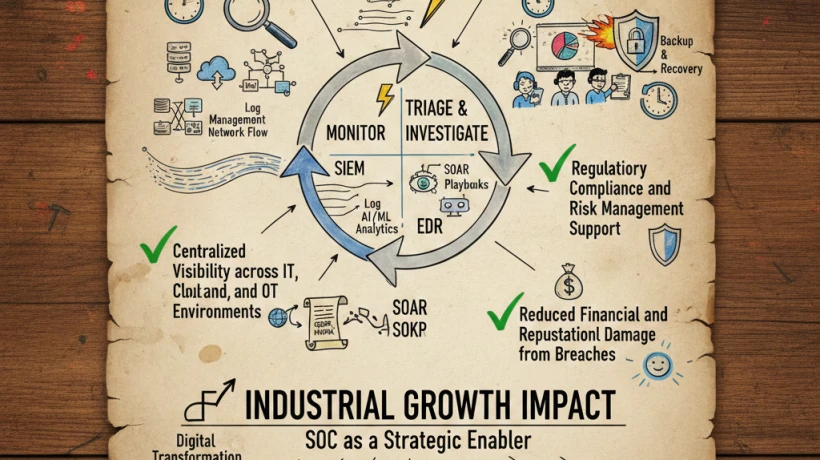
The evolution of SOCs is driven by emerging technologies and changing threat landscapes. Artificial intelligence (AI) and machine learning (ML) are increasingly integrated to automate threat detection, reduce false positives, and enable predictive analytics.
Introduction to Security Operation Centers (SOCs)
A Security Operation Center (SOC) is a centralized unit dedicated to monitoring, detecting, analyzing, and responding to cybersecurity threats and incidents. It acts as the nerve center for an organization's cybersecurity efforts, providing 24/7 surveillance of IT infrastructure. SOC teams utilize advanced tools like Security Information and Event Management (SIEM) systems, intrusion detection systems, and threat intelligence platforms to identify vulnerabilities and respond swiftly. Their primary goal is to protect organizational assets, data, and reputation from cyber threats. SOCs also develop and implement security policies, conduct incident response planning, and ensure compliance with industry standards. They play a crucial role in maintaining a proactive security posture, preventing breaches before they occur. An effective SOC is vital for safeguarding sensitive information against ever-evolving cyber threats in today’s digital landscape.
Components and Technologies of a SOC
A modern SOC integrates a variety of advanced technologies and skilled personnel to ensure effective cybersecurity defense. Key components include SIEM systems that aggregate and analyze security data, intrusion detection and prevention systems (IDPS), endpoint detection and response (EDR) tools, and threat intelligence feeds. Skilled analysts and security engineers monitor these systems continuously, analyzing alerts for potential threats. Automation tools help streamline routine tasks, allowing analysts to focus on complex incidents. Additionally, incident response platforms coordinate actions during security breaches, minimizing damage. Physical infrastructure, such as secure command centers, supports the operations team. Regular updates, threat hunting, and vulnerability assessments are also part of a comprehensive SOC. These components work together to provide a layered security approach capable of detecting and mitigating sophisticated cyber attacks.
Functions and Responsibilities of a SOC Team
The SOC team’s core responsibilities revolve around continuous monitoring, threat detection, and incident response. They analyze security alerts generated by various tools to identify malicious activities. Once a threat is detected, SOC analysts investigate to determine its severity and origin, then escalate or respond accordingly. Incident response involves containing breaches, eradicating threats, and restoring normal operations swiftly. SOC teams also conduct vulnerability assessments, patch management, and security awareness training to strengthen defenses. Regular reporting and documentation ensure compliance with regulatory standards and facilitate strategic decision-making. Collaboration with IT, management, and external agencies enhances overall security posture. The team’s proactive threat hunting and intelligence gathering enable anticipation of future attacks. Maintaining a vigilant, responsive, and well-informed SOC team is essential for organizational cyber resilience.
Challenges Faced by Modern SOCs
Operating a SOC presents numerous challenges in today’s complex cybersecurity environment. As cyber threats evolve rapidly, SOC teams must constantly update their skills and tools to stay ahead of cybercriminals. The sheer volume of alerts can overwhelm analysts, leading to alert fatigue and potential missed threats. Limited resources, including staffing and budget constraints, hinder comprehensive coverage. Sophisticated attacks like zero-day exploits and ransomware require advanced detection capabilities. Maintaining compliance with diverse regulatory standards adds administrative burdens. Additionally, integrating new technologies and ensuring seamless communication across teams can be complex. The increasing use of cloud services and remote work expands the attack surface, complicating security management. Despite these challenges, continuous innovation, automation, and strategic planning are vital for SOCs to remain effective in defending organizational assets.
Future Trends in Security Operation Centers
The evolution of SOCs is driven by emerging technologies and changing threat landscapes. Artificial intelligence (AI) and machine learning (ML) are increasingly integrated to automate threat detection, reduce false positives, and enable predictive analytics. Cloud-native SOCs are becoming more prevalent as organizations migrate to cloud platforms, requiring specialized monitoring tools and expertise. Automation and orchestration platforms streamline incident response, allowing faster mitigation of threats. The adoption of Extended Detection and Response (XDR) provides unified security across endpoints, networks, and cloud environments. Moreover, threat intelligence sharing among organizations enhances collective defense. As cyber threats become more sophisticated, SOCs will emphasize proactive security measures, including threat hunting and zero-trust architectures. The future of SOCs lies in leveraging innovative technologies to improve efficiency, accuracy, and resilience against cyber adversaries.



Comments
Login to Comment