Understanding Shingles: Symptoms, Causes, Treatment, and Prevention
20 Jan, 2026
9807 Views 0 Like(s)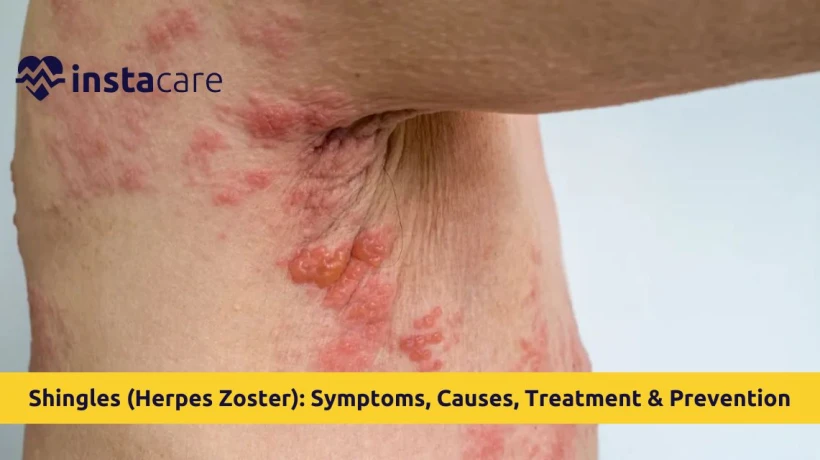
Learn about shingles, its symptoms, causes, treatment options, and prevention tips. Find out how early intervention can reduce complications, and book an appointment with a top dermatologist in Karachi via Instacare for expert care.
Shingles, also known as herpes zoster, is a viral infection that causes a painful rash, typically appearing as a single stripe of blisters on one side of the body or face. While it is more common in older adults, anyone who has had chickenpox can develop shingles. This blog post will explore the symptoms, causes, treatment, and prevention of shingles.
What is Shingles?
Shingles is a painful condition caused by the varicella-zoster virus, the same virus that causes chickenpox. After someone recovers from chickenpox, the virus remains dormant in the nervous system. Later in life, the virus can reactivate, leading to shingles. It often manifests as a painful rash that appears on one side of the body or face, typically along a nerve pathway.
While anyone who has had chickenpox is at risk, the likelihood of developing shingles increases with age. The Centers for Disease Control and Prevention (CDC) report that about one in three people in the United States will develop shingles in their lifetime, with a higher incidence in individuals aged 50 and older.
Symptoms of Shingles
The symptoms of shingles typically develop in stages, starting with mild discomfort, itching, or a tingling sensation in the affected area. As the condition progresses, a rash appears, usually on one side of the body or face, and becomes painful. Below are some common symptoms of shingles:
- Pain, burning, or tingling: This is often the first sign of shingles. The discomfort typically occurs along a nerve pathway, and it may feel like a sharp or burning pain.
- Rash: The rash typically appears a few days after the pain starts. It often consists of red spots or blisters that form in a band-like pattern.
- Blisters: The rash turns into fluid-filled blisters, which eventually burst and form scabs. This is the most noticeable part of shingles.
- Fever and chills: Many people with shingles experience flu-like symptoms, including fever and chills.
- Headache and fatigue: Shingles can make you feel unusually tired, and headaches may accompany the infection.
If you notice these symptoms, it is important to seek medical attention promptly to avoid complications.
Causes of Shingles
Shingles occurs when the varicella-zoster virus, which remains dormant in your body after you've had chickenpox, is reactivated. The exact cause of this reactivation is not always clear, but several factors may increase your risk of developing shingles:
- Age: The risk of shingles increases with age, especially after the age of 50. This is because the immune system weakens with age, making it easier for the virus to reactivate.
- Weakened immune system: Conditions that weaken the immune system, such as HIV/AIDS, cancer, or the use of immunosuppressive medications, can increase the likelihood of shingles.
- Stress: Physical or emotional stress can weaken the immune system, potentially triggering the reactivation of the varicella-zoster virus.
- Previous chickenpox infection: Since shingles is caused by the reactivation of the chickenpox virus, anyone who has had chickenpox is at risk of developing shingles later in life.
- Injury or trauma: Physical trauma or injury to the skin, particularly in the area where shingles may develop, can trigger an outbreak.
Treatment for Shingles
While there is no cure for shingles, treatment can help alleviate symptoms and reduce the risk of complications. Early treatment is key to managing the condition effectively. Here are some common treatments:
- Antiviral medications: Antiviral drugs like acyclovir, valacyclovir, and famciclovir can help reduce the severity and duration of the shingles outbreak if taken early in the course of the infection. These medications may also lower the risk of complications.
- Pain management: Pain relief is essential for managing shingles. Over-the-counter pain relievers like acetaminophen or ibuprofen can help reduce pain and inflammation. In some cases, doctors may prescribe stronger pain medications or topical creams containing lidocaine.
- Corticosteroids: In some cases, corticosteroids may be prescribed to reduce inflammation and pain. However, they are usually used in combination with antiviral drugs and under a doctor’s supervision due to potential side effects.
- Vaccination: The shingles vaccine, known as Shingrix, is recommended for adults aged 50 and older. The vaccine can reduce the risk of developing shingles and is also effective in reducing the severity of symptoms if the virus does reactivate.
- Home remedies: Soothing baths with colloidal oatmeal or calamine lotion can provide relief from itching and irritation. Cold compresses may also help reduce pain and inflammation.
It is essential to see a healthcare provider if you suspect you have shingles to ensure you receive proper care and treatment.
Prevention of Shingles
While you cannot prevent the varicella-zoster virus from lying dormant in your body after chickenpox, there are steps you can take to lower your risk of developing shingles:
- Vaccination: The most effective way to prevent shingles is by getting the shingles vaccine (Shingrix). This vaccine can significantly reduce the risk of shingles in adults over the age of 50. It is also effective in reducing the severity of symptoms if shingles occurs.
- Maintain a healthy immune system: Eating a balanced diet, exercising regularly, managing stress, and getting enough sleep can all help support a healthy immune system and reduce the likelihood of shingles.
- Avoid close contact with individuals who have chickenpox or shingles: The varicella-zoster virus can be transmitted to those who have never had chickenpox or the vaccine. This can lead to chickenpox, which later may result in shingles.
- Early treatment: If you develop symptoms of shingles, seek medical attention promptly. Early treatment with antiviral medications can help minimize symptoms and reduce the risk of complications.
Book Appointment with the Best Dermatologist in Karachi via Instacare
If you suspect you have shingles or need professional advice on treatment, it is crucial to book an appointment with a qualified dermatologist. A dermatologist can assess your symptoms, provide proper treatment, and help manage any complications. Book your appointment with the best dermatologist in Karachi via Instacare today for prompt and professional care.
Frequently Asked Questions (FAQs) About Shingles
Is shingles contagious?
Yes, shingles can spread to individuals who have never had chickenpox or the chickenpox vaccine. They can develop chickenpox, but not shingles, from contact with someone who has active shingles.
Can shingles cause long-term pain?
Yes, some individuals experience long-term pain known as postherpetic neuralgia. This occurs when nerve fibers are damaged during the shingles outbreak, leading to ongoing pain even after the rash heals.
How long does shingles last?
Shingles usually lasts 2-4 weeks, with the rash and blisters typically healing within that time frame. However, pain and discomfort may persist for several weeks.
Can I get shingles more than once?
While rare, it is possible to develop shingles more than once. The risk increases with age and a weakened immune system.
Does the shingles vaccine guarantee I won’t get shingles?
No, the vaccine significantly reduces the risk of developing shingles, but it does not guarantee you won’t get it. However, if you do get shingles, the vaccine can reduce the severity of the illness.



Comments
Login to Comment