Trusted Rotary Barrel Hand Pump Wholesalers and Dealers in India
07 May, 2026
1838 Views 0 Like(s)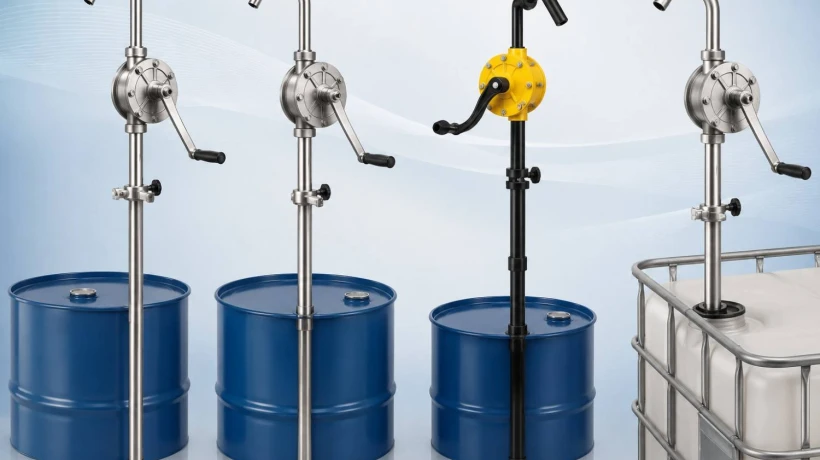
A leaking drum transfer setup usually starts with something small — a loose rotor fit, thin discharge pipe walls, or a supplier who swapped SS grade mid-production to save ₹38 per unit. That becomes your problem once the shipment reaches site. Buyers looking for a reliable Rotary Barrel Pump, SS Rotary Barrel Pump, or Rotary Barrel Hand Pump already know the market is crowded.
A leaking drum transfer setup usually starts with something small — a loose rotor fit, thin discharge pipe walls, or a supplier who swapped SS grade mid-production to save ₹38 per unit. That becomes your problem once the shipment reaches site. Buyers looking for a reliable Rotary Barrel Pump, SS Rotary Barrel Pump, or Rotary Barrel Hand Pump already know the market is crowded. The harder part is finding suppliers who deliver consistent material quality batch after batch, not just a polished quotation PDF.
Most buyers discover this after the second repeat order.
Industrial fluid transfer sounds simple until you’re moving kerosene, solvents, lubricants, edible oils, or mild chemicals across different drum sizes every week. One poor weld around the suction tube can shut down handling lines. And yet many procurement teams still compare only by landed price, ignoring shaft finish, rotor alignment, and spare availability.
The Spec Detail Most Buyers Skip While Buying Rotary Barrel Pumps
Not every pump sold as stainless steel is actually suitable for industrial transfer duty.
Material Grade Matters More Than Catalog Photos
A proper SS Rotary Barrel Pump should clearly specify whether the wetted components use SS 304 or SS 316. Some low-cost suppliers mix plated iron parts with stainless outer bodies. It reduces cost initially, but corrosion appears fast in humid warehouses or chemical environments.
Which means buyers end up replacing pumps in under 11 months instead of getting 3–5 years of usable life.
Common Rotary Barrel Hand Pump Specifications
Most industrial-grade pumps in India fall within these ranges:
-
Drum compatibility: 50–210 litre barrels
-
Flow rate: 18–28 litres per minute
-
Discharge pipe size: 1 inch typically
-
Handle rotation: Manual rotary mechanism
-
Wetted parts: Cast iron, aluminium, or stainless steel
-
Application: Diesel, oils, chemicals, lubricants, acids, solvents
Nobody tells you this part clearly: shaft balancing affects operator fatigue more than handle design. Poorly balanced rotary systems feel acceptable during testing but become difficult after continuous use on factory floors.
Why Seal Quality Creates Most Complaints
Cheap seals fail early. That’s the reality.
A surprising number of Rotary Barrel Pump Manufacturers outsource seals from inconsistent local vendors. Buyers notice leakage only after installation because inspection usually focuses on body finish and not internal sealing assemblies.
That mistake gets expensive during chemical transfer operations.
Five Supplier Checks Procurement Teams Should Never Skip
1. Ask for Actual Material Test Proof
Good answer:
Supplier shares SS grade details with batch traceability.
Bad answer:
“Material is export quality.”
That phrase means nothing without documentation.
2. Check Spare Availability Before Bulk Orders
A pump without available rotors or seals becomes scrap faster than buyers expect.
Most Rotary Barrel Hand Pump Wholesalers stock finished units but not spare assemblies. Ask directly about lead times for shafts, handles, and seals.
3. Verify Threading and Drum Compatibility
Different industries use varying drum thread standards. A mismatch delays deployment.
Bad suppliers usually respond with:
“It fits most drums.”
Most is not all.
4. Inspect Welding Consistency
Uneven welds around suction tubes often indicate rushed fabrication. That directly impacts durability during frequent handling.
And yes, many buyers overlook this completely.
5. Demand Consistent Repeat Production
The first sample is rarely the problem.
The second shipment is where quality slips happen if the manufacturer lacks process control. One procurement manager from Gujarat told us 17 out of 120 pumps in a repeat batch developed handle stiffness within four months because internal tolerances changed between production cycles.
How the Right Rotary Barrel Pump Protects Margins
Reduced Product Wastage
Leak-proof transfer systems help reduce fluid loss during dispensing. Even a 1.5% reduction in lubricant wastage matters at industrial volumes.
Lower Replacement Frequency
A properly built SS Rotary Barrel Pump resists corrosion far longer in coastal and humid environments compared to painted iron variants.
Easier Manual Operation
Balanced rotary assemblies reduce strain during repetitive handling. Warehouse staff notice this immediately during multi-drum operations.
Better Chemical Compatibility
Not all pumps handle solvents equally. Stainless steel variants perform better with mild corrosive liquids and industrial chemicals.
Fewer Emergency Procurement Cycles
Reliable pumps reduce unplanned purchase orders and downtime-related sourcing pressure.
That matters more than most finance teams realise.
Cleaner Transfer Operations
Controlled dispensing helps maintain safer working areas around storage drums and transfer stations, especially in lubricant and chemical facilities.
Why Location Is a Supply Chain Decision, Not Just an Address
India’s industrial pump demand is heavily concentrated around manufacturing belts like Gujarat, Maharashtra, Tamil Nadu, Delhi NCR, and Punjab. Buyers sourcing from distant suppliers often underestimate freight handling damage during interstate movement.
A poorly packed Rotary Barrel Hand Pump can arrive with bent suction pipes even before installation.
That’s one reason experienced Rotary Barrel Hand Pump Dealers in India focus heavily on transit-safe packaging. Wooden support bracing, capped discharge sections, and reinforced cartons reduce handling damage significantly during long-haul transport.
Most serious SS Rotary Barrel Pump Manufacturers in India now supply across pharmaceuticals, edible oil processing, automotive lubricant handling, agrochemical facilities, and export packaging units. Demand has steadily increased because many plants shifted back toward manual transfer backups after electric transfer systems failed during power disruptions in 2024.
About Us — Built Around Industrial Transfer Reality
At Giza Pumps, we work with buyers who care about consistency more than polished presentations. We’ve supplied pump systems across industrial sectors where leakage complaints, poor fitment, and delayed dispatches directly affect production schedules.
We learned early that barrel pump buyers remember failures longer than successful deliveries.
Back in 2022, we changed one handle casting vendor after repeated alignment variation created uneven rotary movement during testing. The rejection rate was only 3.8%, but operators noticed the difference immediately. We replaced the supplier anyway. That’s the kind of operational correction long-term industrial supply actually requires.
Our team supports wholesalers, procurement teams, resellers, and industrial buyers across India with dependable dispatch coordination and practical product guidance.
If you’re sourcing Rotary Barrel Pump systems for industrial use, send us these details first:
-
Fluid type
-
Drum size
-
Required material grade
-
Quantity requirement
-
Application industry
-
Delivery location
At Giza Pumps, we typically respond to B2B enquiries within one working day. MOQ depends on model configuration and material type, though wholesale dispatches generally begin from 25 units onward for standard variants.
Conclusion
The difference between an average Rotary Barrel Hand Pump and a dependable industrial unit rarely shows up in catalog photos. It appears six months later during continuous use, repeat ordering, and maintenance cycles. Buyers who verify material consistency, spare support, and production control usually avoid the costly replacement loop. Demand for durable SS Rotary Barrel Pump systems will keep rising as Indian manufacturing expands and handling standards become stricter.
Here is another blog you might be interested in
Top SS Rotary Barrel Pump Suppliers and Manufacturers in India
FAQs
1. How do Rotary Barrel Hand Pump Wholesalers manage bulk dispatches?
Established wholesalers usually maintain standard inventory for common models and arrange pallet-based dispatches for interstate supply. Smaller traders often rely on third-party stock availability, which delays urgent orders.
2. What should buyers ask Rotary Barrel Pump Manufacturers before ordering?
Ask about material grade, seal type, spare support, and repeat batch consistency. If a supplier avoids technical answers and keeps repeating “standard quality,” treat that as a warning sign.
3. Do Rotary Barrel Hand Pump Dealers in India provide spare parts?
Some do, some don’t. That’s worth checking before placing volume orders. Rotor assemblies and seals are the most commonly replaced parts during long-term usage.
4. Is stainless steel always necessary for industrial transfer?
Not always. Water-based fluids and non-corrosive oils may work fine with cast iron models. But chemical transfer applications usually justify the higher cost of SS Rotary Barrel Pump Manufacturers in India products because downtime from corrosion costs more later.
5. How long does a Rotary Barrel Hand Pump usually last?
With proper maintenance and compatible fluid handling, industrial-grade pumps can last several years. Poor storage conditions and abrasive liquids shorten lifespan much faster than most buyers expect.



Comments
Login to Comment