Treadmill Stress Test Near Me: Everything You Need to Know Before Booking One
18 Feb, 2026
7211 Views 0 Like(s)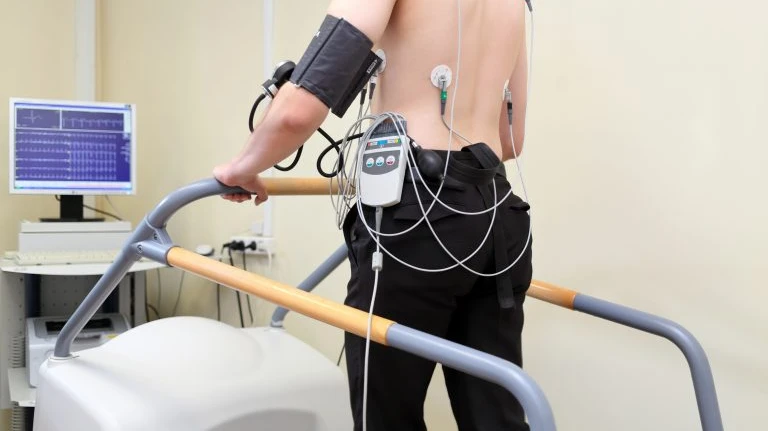
Looking to assess your heart’s health in real-time during physical activity? You’re not alone. Many individuals across the world are now prioritizing preventive health screenings to detect potential heart problems before they become serious.
Looking to assess your heart’s health in real-time during physical activity? You’re not alone. Many individuals across the world are now prioritizing preventive health screenings to detect potential heart problems before they become serious. One such highly recommended test is the treadmill stress test near me, offered by various diagnostic centers like Ecotown Diagnostics in Bangalore.
This article covers every important detail you need to know—from what it is, who should get it, how to prepare, to what happens during and after the test. If you’ve been advised by your doctor to go for a stress test or simply want to check your cardiovascular performance, this guide will answer all your questions.
What Is a Treadmill Stress Test?
A Simple Definition
A treadmill stress test is a diagnostic procedure that helps measure how well your heart performs under physical exertion. During the test, you walk on a treadmill while being hooked up to an electrocardiogram (ECG) machine. The test increases in difficulty as the treadmill's speed and incline gradually rise.
Why Is It Done?
Doctors recommend a treadmill stress test to:
-
Detect coronary artery disease
-
Diagnose the cause of symptoms like chest pain or shortness of breath
-
Determine a safe level of exercise for a patient
-
Monitor heart rhythm abnormalities during exertion
-
Assess the effectiveness of heart treatments
Who Should Consider a Treadmill Stress Test?
A doctor may recommend this test if you experience:
-
Unexplained fatigue
-
Chest discomfort
-
Irregular heartbeat
-
Shortness of breath during activity
People with high cholesterol, diabetes, or a family history of heart disease are also often advised to take this test as a preventive measure.
How to Prepare for the Test
What to Wear
Comfortable workout attire is essential. You’ll be walking briskly, so wear breathable clothes and well-fitting sports shoes.
Dietary Guidelines
-
Avoid caffeine for at least 24 hours before the test.
-
Don’t eat a heavy meal within two hours before the test.
-
Stay hydrated but limit water intake just before the test.
Medication
Speak with your doctor about which medications to continue or pause. Some medicines might interfere with test results.
What to Expect During the Test
When you arrive at the diagnostic center:
-
You’ll be connected to ECG leads on your chest, arms, and legs.
-
Your blood pressure will be measured before the test.
-
You’ll start walking on the treadmill at a slow pace.
-
Every few minutes, the treadmill’s speed and incline will increase.
-
The technician will monitor your heart rate, breathing, and blood pressure throughout.
If you experience dizziness, chest pain, or extreme fatigue, the technician will stop the test immediately.
Duration and Aftercare
The test typically lasts 15-20 minutes, depending on your tolerance level. After the test:
-
You’ll cool down for a few minutes on the treadmill or by sitting.
-
The technician will monitor your vitals as they return to normal.
-
A cardiologist will review the data and provide a report within 24 to 48 hours.
Is the Test Safe?
Yes, the test is generally safe. It’s conducted under medical supervision and designed to end if signs of excessive strain are detected. However, it's not suitable for everyone—those with severe heart conditions or joint problems may require alternative tests.
Benefits of a Treadmill Stress Test
1. Early Detection
This test can reveal blockages or abnormal heart rhythms that may not show up during a routine ECG.
2. Personal Fitness Insights
It also gives you a clear idea of your cardiovascular fitness level, which can guide your exercise and wellness plans.
3. Post-Treatment Monitoring
Doctors often use this test to check how well a treatment or surgical intervention has worked.
Risks and Limitations
While rare, possible risks include:
-
Dizziness or fainting
-
Shortness of breath
-
Arrhythmia during the test
It’s important to disclose all your medical history before the test. Also, remember that this test doesn’t provide visual images of the heart, so for some cases, an imaging stress test may be needed for more accuracy.
Cost and Accessibility
The cost of a treadmill stress test can vary depending on the diagnostic center and city. Most reputed diagnostic centers like Ecotown Diagnostics in Bangalore offer affordable packages with expert cardiologist review and same-day appointments.
Final Thoughts on Booking a Treadmill Stress Test
If you're feeling unexplained symptoms like fatigue or chest discomfort, or if you're simply aiming to monitor your cardiovascular health proactively, it’s time to search for a treadmill stress test near me and take a step toward a healthier future. With professional diagnostic centers like Ecotown Diagnostics, you’re in safe hands from start to finish.
Frequently Asked Questions (FAQs)
1. What is the purpose of a treadmill-based heart test?
It evaluates how your heart performs under physical stress to detect any abnormalities.
2. How long does the test usually take?
The active treadmill portion lasts 15–20 minutes, with the total appointment taking about an hour including setup and cool-down.
3. Can I eat before the test?
Avoid heavy meals and caffeine at least two hours before the test for accurate results.
4. Is it necessary to stop medications before the test?
Some medications may need to be paused, but always consult your doctor first.
5. Can the test detect all heart problems?
It’s excellent for detecting exercise-related issues, but it might not detect conditions that occur only at rest.
6. Is fasting required for the test?
Not strictly, but it’s best to have a light meal and avoid caffeine and alcohol.
7. Are there any side effects post-test?
Some people feel a bit tired or lightheaded, but most resume normal activity shortly afterward.
8. Who interprets the test results?
A certified cardiologist or medical professional will analyze and interpret the test outcomes.
9. Is the test covered by insurance?
Many health plans cover the test if it's prescribed by a doctor. Check with your provider.
10. What should I bring on the day of the test?
Bring your doctor’s referral, ID, any previous reports, and wear appropriate workout clothing.



Comments
Login to Comment