Transforming Mental Wellness: The Role of Digital Innovation in Contemporary Therapy Practices
21 Apr, 2026
1958 Views 0 Like(s)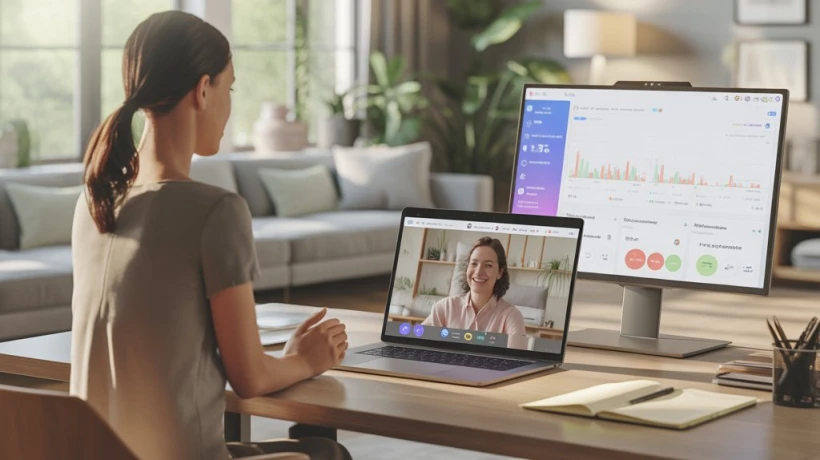
Discover how digital mental health services are reshaping therapy through innovation, accessibility, and better treatment outcomes.
Introduction
Mental health care has changed more in the last decade than most people realize. Not in a loud, disruptive way—but in a steady shift that’s quietly reshaping how people access support, stay consistent with treatment, and actually experience therapy.
At the center of this shift are digital mental health services, which are blending traditional clinical care with modern technology in ways that feel more natural, flexible, and accessible than ever before.
What’s interesting is not just that therapy is going digital—it’s that care itself is becoming more continuous, more personalized, and more responsive to real life.
Let’s explore how this transformation is happening and why it matters for both patients and clinicians.
The Shift From Traditional Therapy to Digital-First Care
For years, therapy followed a predictable structure:
-
Weekly in-person sessions
-
Fixed schedules
-
Limited provider availability
-
Heavy reliance on face-to-face interaction
While that model still works well for many people, it doesn’t fit everyone’s lifestyle or needs.
Modern mental health care has started to expand beyond those limits. The introduction of technology has made it possible to extend therapy outside the clinic and into everyday life.
Instead of care being confined to a 50-minute session, it now becomes an ongoing support system.
How Digital Innovation Is Reshaping Mental Health Support
The biggest change isn’t just “online therapy.” It’s the entire structure of care.
Clinicians now use digital tools to:
-
Track patient progress between sessions
-
Share exercises and coping strategies instantly
-
Monitor emotional patterns over time
-
Adjust treatment plans faster
This creates a more dynamic and responsive approach to therapy.
It also reduces one of the biggest challenges in mental health care: inconsistency.
The Rise of Virtual Therapy Platforms
Modern virtual therapy platforms have made it possible for people to connect with licensed professionals from virtually anywhere.
These platforms typically include:
-
Video sessions with therapists
-
Secure messaging systems
-
Digital worksheets and exercises
-
Appointment scheduling tools
What makes them powerful isn’t just convenience—it’s structure.
A client can attend therapy, complete exercises during the week, and check in with their therapist without waiting for the next appointment.
This continuous connection helps build momentum in recovery, which is often the hardest part of mental health treatment.
Why Online Counseling Effectiveness Is No Longer in Question
A few years ago, many people questioned whether therapy over video could truly match in-person care.
That debate has largely shifted.
Today, online counseling effectiveness is widely supported for many conditions, especially:
-
Anxiety disorders
-
Depression
-
Stress management
-
Relationship challenges
-
Mild to moderate emotional difficulties
What makes it effective is not the format—it’s the consistency.
When clients can access therapy more easily, they attend more sessions, stay more engaged, and follow through on treatment plans more consistently.
That alone improves outcomes significantly.
Real-World Example: How Digital Care Changes Outcomes
Let’s look at a simple but realistic scenario.
A college student struggling with anxiety often misses in-person therapy sessions due to classes and part-time work. Over time, gaps between sessions grow, and progress slows down.
When they switch to a digital model:
-
Sessions happen via video after classes
-
Anxiety tracking is done through an app
-
Coping exercises are reviewed weekly
-
Communication with the therapist becomes more frequent
Within a few months, patterns become clearer, and triggers are easier to manage.
The student isn’t “more motivated”—they simply have a system that fits their life.
That’s the real advantage of digital care.
Mental Wellness Solutions Are Becoming More Personalized
One of the most important developments in modern care is personalization.
Instead of applying the same approach to every patient, clinicians now use digital insights to tailor treatment.
For example:
-
Someone with sleep-related anxiety may receive sleep tracking tools
-
A person dealing with burnout may use workload and mood tracking
-
Someone with panic symptoms may practice guided exposure exercises
These mental wellness solutions help bridge the gap between therapy sessions and real-life experiences.
It turns treatment into something active, not passive.
The Role of Telehealth in Expanding Access
The growth of telehealth mental health care has been one of the most impactful changes in modern healthcare systems.
It has opened access for people who previously faced major barriers:
-
Rural communities without specialists
-
Individuals with limited transportation
-
Busy professionals with unpredictable schedules
-
People seeking privacy or reduced stigma
A simple example: someone living hours away from the nearest therapist can now access the same quality care as someone in a major city.
That shift alone has dramatically increased treatment accessibility worldwide.
How Technology Enhances the Therapist-Client Relationship
There’s a misconception that digital tools reduce human connection. In practice, the opposite often happens when systems are used well.
Therapists can now:
-
Stay connected between sessions
-
Provide real-time feedback
-
Track emotional trends over time
-
Share structured exercises instantly
From experience, one of the most meaningful changes is continuity. Clients don’t feel like they “start over” every week—they continue where they left off.
That sense of ongoing support strengthens trust and engagement.
Key Benefits of Digital Mental Health Care
Let’s break down the most important advantages in a practical way:
1. Easier Access to Care
People can start therapy faster without long waiting lists.
2. Better Consistency
Fewer missed sessions mean more stable progress.
3. Flexible Scheduling
Therapy fits around life—not the other way around.
4. Increased Engagement
Tools like reminders, trackers, and exercises keep clients involved.
5. Continuous Support
Clients can stay connected with their therapist between sessions.
Challenges That Still Need Attention
While progress is strong, the system isn’t perfect.
Technology Barriers
Not everyone has stable internet or devices.
Privacy Concerns
A private space is still necessary for effective sessions.
Digital Fatigue
Some users prefer in-person interaction after long screen exposure.
Not Ideal for All Conditions
Severe psychiatric cases may require in-person or emergency care.
These limitations highlight the need for a balanced, hybrid approach rather than full replacement.
Why Engagement Is the Real Game-Changer
If there’s one factor that determines success in therapy, it’s engagement.
Even the best treatment plan fails if it isn’t followed consistently.
Digital systems improve engagement through:
-
Reminders for sessions
-
Visual progress tracking
-
Interactive exercises
-
Easier communication channels
When people feel connected to their treatment process, they are far more likely to stay committed—and that commitment drives results.
How Clinicians Are Adapting to Digital Care
Therapists and psychiatrists have also evolved their approach.
They now:
-
Integrate digital tools into treatment plans
-
Use data to guide clinical decisions
-
Offer hybrid care models
-
Monitor patient progress more closely
This shift has made care more proactive rather than reactive.
Instead of waiting for problems to escalate, clinicians can identify patterns early and intervene sooner.
The Future of Mental Wellness Is Hybrid
The most realistic future isn’t fully digital or fully traditional—it’s a combination of both.
A hybrid model allows:
-
In-person sessions for deeper engagement
-
Digital check-ins for continuity
-
App-based tracking for daily insights
-
Flexible care tailored to each individual
This approach gives patients the best of both worlds.
Internal Linking Suggestions
To strengthen SEO and site structure, consider linking this article to:
-
“How Telehealth Is Changing Mental Health Care Delivery”
-
“Benefits of Cognitive Behavioral Therapy in Modern Practice”
-
“Signs You Should Seek Professional Mental Health Support”
-
“Choosing Between Online and In-Person Therapy”
These links help build topical authority and improve user engagement.
FAQs
1. What are digital mental health services?
They are mental health support systems delivered through technology, including video therapy, apps, and online platforms.
2. Are virtual therapy platforms effective?
Yes, especially for anxiety, depression, and stress-related conditions when used consistently.
3. What makes online counseling effectiveness so strong?
Consistency, accessibility, and continuous engagement between sessions play a major role in success.
4. Are telehealth mental health care services secure?
Reputable platforms use encryption and strict privacy standards to protect patient data.
5. Can digital therapy replace in-person sessions completely?
Not entirely. It works best as part of a flexible, hybrid care model depending on the individual’s needs.
Conclusion
Mental health care is evolving into something more connected, accessible, and responsive. Digital tools are not replacing traditional therapy—they are strengthening it.
By improving access, increasing consistency, and supporting clinicians with real-time insights, digital systems are helping more people stay engaged in care long enough to see meaningful improvement.



Comments
Login to Comment