Tracking Construction Assets Without the Hassle of Manual Logs
29 Jan, 2026
9169 Views 0 Like(s)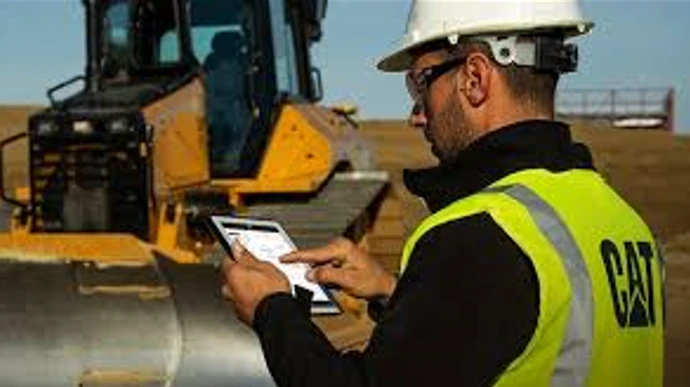
Asset tracking software eliminates the need for manual entries, ensuring that asset data is recorded accurately and consistently. With automated systems in place, the software captures precise information about asset usage, location and condition.
Construction companies face the challenge of managing and tracking a large number of assets across multiple job sites. From tools and equipment to materials and vehicles, keeping track of these valuable resources is vital to ensuring smooth operations and preventing delays. Traditionally, many construction teams relied on manual logs and spreadsheets to monitor their assets. However, this approach is time-consuming, error-prone, and difficult to scale. Thankfully, construction asset tracking software offers a more efficient and reliable solution to managing assets in real-time, reducing human error and improving overall workflow.
The Challenges of Manual Asset Tracking
Manual tracking often involves keeping detailed logs on paper or in spreadsheets, a process that is both tedious and inefficient. As projects scale, this approach becomes even more cumbersome. Workers must take time to write down asset information, check the status of equipment, and update the logs whenever there is a change in location or usage. With large teams and multiple assets to keep track of, errors are inevitable. Misplaced assets, missing information, and duplicate entries are common issues that can lead to delays and increased costs.
Moreover, the lack of real-time tracking makes it difficult for project managers to get accurate and up-to-date information on asset usage. Delayed updates in manual logs can result in lost time when assets are needed urgently. The need for quick decision-making in a fast-paced environment makes manual tracking an inefficient tool for construction management.
The Advantages of Construction Asset Tracking Software
By implementing construction asset tracking software, construction teams can streamline the management process and gain full visibility into the status and location of their assets in real-time. With this technology, gone are the days of relying on paper logs or outdated spreadsheets. Here are some of the key benefits of using asset tracking software:
Real-Time Visibility
The biggest advantage of construction asset tracking software is the ability to access real-time data. Managers can instantly track the location and status of each asset, whether it's on the job site or in transit. This allows teams to make quicker decisions, such as moving equipment to a different location or reallocating resources to a project that needs them. Real-time visibility also reduces the likelihood of losing or misplacing equipment, as everything is tracked with GPS technology.
Improved Accuracy
Manual tracking is inherently prone to human error. Asset tracking software eliminates the need for manual entries, ensuring that asset data is recorded accurately and consistently. With automated systems in place, the software captures precise information about asset usage, location, and condition. This level of accuracy is critical for maintaining the integrity of asset records and preventing costly mistakes that can arise from incorrect data.
Better Maintenance and Longevity
Keeping assets in good condition is crucial for ensuring they continue to function optimally throughout the duration of the project. Construction asset tracking software can integrate with maintenance schedules to provide automated reminders when equipment needs servicing. With proactive maintenance alerts, managers can schedule regular checkups and repairs before minor issues escalate into costly breakdowns, improving asset longevity and reducing downtime.
Increased Efficiency and Productivity
Construction asset tracking software helps optimize resource allocation and improve the overall productivity of construction projects. By automating asset management tasks, workers no longer need to waste time manually checking equipment or searching for missing assets. This increased efficiency means projects can stay on schedule, and workers can focus on their tasks without distractions. In addition, project managers can more effectively assign resources based on real-time data, ensuring that equipment is used where it’s needed most.
Enhanced Security
Construction sites are prime targets for theft and vandalism, especially when expensive equipment is left unattended. With construction asset tracking software, managers can track the movements of assets and receive alerts if equipment is moved without authorization. GPS-enabled tracking allows managers to pinpoint the exact location of stolen equipment and recover it quickly, reducing the risk of theft and loss.
Cost Savings
Manual tracking often leads to inefficiencies, such as unnecessary equipment rentals or the purchase of duplicate assets. Asset tracking software helps reduce these costs by providing insights into asset utilization. If equipment is underused or sitting idle, managers can make the decision to reallocate resources, thereby maximizing the use of existing assets and avoiding unnecessary expenditures. Furthermore, the reduced risk of theft and breakdowns also contributes to cost savings over time.
Compliance and Reporting
For many construction companies, compliance with industry regulations is a top priority. Asset tracking software can simplify compliance by keeping accurate records of equipment usage and maintenance schedules. In addition, the software can generate detailed reports for auditing purposes, helping companies stay organized and meet regulatory requirements. This reduces the administrative burden of maintaining compliance and ensures that all equipment is properly documented.
How Construction Asset Tracking Software Works
Most construction asset tracking software works by integrating GPS tracking and RFID technology with cloud-based platforms. GPS devices are attached to each piece of equipment or asset, allowing for continuous monitoring of its location. RFID tags can be used to track smaller tools and materials. These devices transmit data to a central system, where it is recorded, analyzed, and displayed in real-time.
Project managers and supervisors can access the tracking software through desktop or mobile applications, giving them the flexibility to monitor assets from anywhere. The software can also be configured to send automated alerts when certain conditions are met, such as when a piece of equipment needs maintenance or when an asset is moved outside a designated area.
The Future of Construction Asset Tracking
As technology continues to advance, the capabilities of construction asset tracking software are expected to evolve. The integration of artificial intelligence (AI) and machine learning will allow for even smarter decision-making, with predictive analytics helping to anticipate equipment needs before they arise. Enhanced connectivity and the Internet of Things (IoT) will further improve real-time monitoring, providing even more granular insights into asset usage and performance.
The construction industry is moving toward increased automation, and asset tracking software will play a crucial role in this transition. As more companies adopt digital solutions, the ability to track assets with precision and efficiency will become an industry standard.
Conclusion
In today’s construction landscape, managing assets efficiently is key to staying competitive. Relying on outdated manual methods is no longer practical, especially when more effective solutions are available. Construction asset tracking software offers real-time visibility, improved accuracy, better maintenance, and increased securityall of which are essential for ensuring projects run smoothly and within budget. By embracing digital tools, construction teams can optimize their operations, reduce costs, and enhance productivity. The future of construction asset management is digital, and asset tracking software is the cornerstone of this transformation.


Comments
Login to Comment