Top Neurology Research Trends to Watch in 2026 Introduction
17 Jun, 2026
1331 Views 0 Like(s)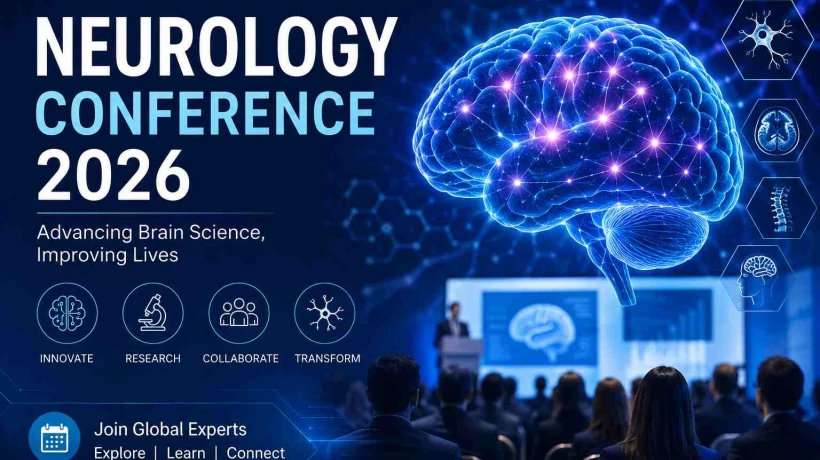
Discover the top neurology research trends in 2026, including AI, Alzheimer's breakthroughs, precision medicine, neurotechnology, and brain health.
Neurology is entering an exciting era of innovation, driven by technological advancements, precision medicine, and a deeper understanding of the human brain. Researchers worldwide are making significant progress in diagnosing, treating, and preventing neurological disorders that affect millions of people each year.
From artificial intelligence-powered diagnostics to breakthrough therapies for Alzheimer's and Parkinson's disease, the field is evolving faster than ever before. These developments are not only improving patient outcomes but also creating new opportunities for collaboration among scientists, clinicians, and healthcare organizations.
As experts prepare to gather at the Neurology Conference 2026, several research trends are expected to shape discussions and influence the future direction of neuroscience. Understanding these trends can help researchers, healthcare professionals, and students stay informed about the latest advancements in brain science.
Why Neurology Research Matters More Than Ever
Neurological disorders remain among the leading causes of disability worldwide. Conditions such as stroke, dementia, epilepsy, Parkinson's disease, multiple sclerosis, and traumatic brain injuries continue to place significant burdens on healthcare systems and families.
Modern research is focused on addressing these challenges through:
- Earlier diagnosis
- Personalized treatment strategies
- Advanced imaging technologies
- Neuroprotective therapies
- Digital health solutions
The goal is not only to treat symptoms but also to prevent disease progression and improve long-term quality of life for patients.
The PubScholars Neurology Conference 2026 serves as a valuable platform for showcasing innovations that are transforming neurological care globally.
Artificial Intelligence and Machine Learning in Neurology
Artificial intelligence (AI) continues to be one of the most influential trends in neurological research.
AI systems can analyze vast amounts of clinical and imaging data within seconds, helping neurologists identify patterns that may not be immediately visible through traditional assessment methods.
Key applications include:
Early Disease Detection
Machine learning models are being trained to identify early signs of neurological disorders, including Alzheimer's disease and Parkinson's disease, before symptoms become severe.
Brain Imaging Analysis
AI-powered tools assist radiologists and neurologists in interpreting MRI, CT, and PET scans with greater accuracy.
Predictive Healthcare
Researchers are using AI to predict disease progression, treatment response, and patient outcomes.
These innovations are expected to be a major discussion point at Neurology Conference 2026 as healthcare organizations continue integrating AI into clinical practice.
Precision Medicine and Personalized Neurology
The era of one-size-fits-all treatment is gradually being replaced by precision medicine.
Precision neurology focuses on tailoring treatments based on:
- Genetic information
- Biomarker profiles
- Environmental factors
- Lifestyle characteristics
- Individual disease mechanisms
Researchers now recognize that patients with the same diagnosis may respond differently to treatment due to unique biological factors.
By identifying these differences, clinicians can develop more targeted and effective treatment strategies.
The growing role of personalized medicine is expected to be a key highlight at the PubScholars Neurology Conference 2026.
Advances in Alzheimer's Disease Research
Alzheimer's disease continues to be a major focus of global neuroscience research.
Scientists are making progress in several critical areas:
Blood-Based Biomarkers
New blood tests are helping detect Alzheimer's disease earlier than ever before, potentially years before cognitive symptoms appear.
Disease-Modifying Therapies
Researchers are developing treatments aimed at slowing disease progression rather than simply managing symptoms.
Neuroinflammation Research
Studies suggest that inflammation may play a significant role in Alzheimer's disease development, creating opportunities for innovative therapeutic approaches.
As populations continue to age, Alzheimer's research remains one of the most important topics in neurology.
Breakthroughs in Parkinson's Disease Treatment
Parkinson's disease research has expanded considerably in recent years.
Emerging areas of focus include:
Gene Therapy
Scientists are exploring genetic interventions that may help restore normal brain function.
Deep Brain Stimulation Innovations
Advanced stimulation technologies are improving symptom management and enhancing patient quality of life.
Digital Monitoring Systems
Wearable devices and mobile applications now enable continuous monitoring of symptoms, allowing more personalized treatment adjustments.
These advancements are helping clinicians better understand disease progression while improving patient care.
Neurotechnology and Brain-Computer Interfaces
Neurotechnology is transforming how scientists interact with the brain.
Brain-computer interfaces (BCIs) have demonstrated the ability to help individuals regain communication and mobility after neurological injury or disease.
Current applications include:
- Assistive communication devices
- Prosthetic limb control
- Stroke rehabilitation
- Cognitive assessment tools
- Neurofeedback therapies
Researchers believe that neurotechnology will become increasingly integrated into clinical neurology over the next decade.
Many of these innovations are expected to be featured at Neurology Conference 2026.
Neuroimmunology and Autoimmune Neurological Disorders
The relationship between the immune system and neurological disease is becoming a major area of scientific investigation.
Researchers are studying immune-related mechanisms involved in:
- Multiple sclerosis
- Autoimmune encephalitis
- Neuromyelitis optica
- Chronic neuroinflammatory disorders
New immunotherapies are providing improved outcomes for many patients and expanding treatment possibilities.
As understanding of neuroimmunology grows, more targeted therapies are expected to emerge.
Stroke Prevention and Recovery Research
Stroke remains one of the leading causes of neurological disability worldwide.
Research efforts are focused on:
Faster Diagnosis
Advanced imaging technologies are helping clinicians identify strokes more quickly and accurately.
Improved Interventions
Mechanical thrombectomy procedures continue to improve outcomes for eligible patients.
Rehabilitation Innovations
Virtual reality, robotics, and AI-assisted rehabilitation programs are supporting recovery after stroke.
These advancements have the potential to significantly reduce long-term disability and improve patient independence.
The Rise of Digital Neurology
Digital health technologies are becoming increasingly important in neurological care.
Examples include:
- Tele-neurology consultations
- Remote patient monitoring
- Mobile health applications
- Wearable neurological devices
- Digital biomarkers
These tools allow clinicians to monitor patients more effectively while increasing access to specialized neurological care.
Digital neurology is expected to remain a rapidly growing area of research and innovation throughout 2026 and beyond.
Why Researchers Should Attend Neurology Conference 2026
The PubScholars Neurology Conference 2026 offers a unique opportunity to explore the latest research trends and connect with global experts in neuroscience.
Attendees can:
- Present original research
- Learn from leading neurologists
- Discover emerging technologies
- Participate in scientific discussions
- Build international collaborations
- Stay updated on industry developments
The conference creates an environment where innovation, education, and networking come together to advance neurological science.
Conclusion
The future of neurology is being shaped by groundbreaking developments in artificial intelligence, precision medicine, neurotechnology, Alzheimer's research, Parkinson's disease treatment, and digital healthcare.
These innovations are improving our understanding of the brain while creating new possibilities for diagnosing and treating neurological disorders.
As these trends continue to evolve, events such as the PubScholars Neurology Conference 2026 play a crucial role in bringing together researchers, clinicians, and healthcare leaders committed to advancing brain science. By fostering collaboration and knowledge sharing, the conference contributes to the ongoing progress of neurology and the future of patient care worldwide.


Comments
Login to Comment