The Role of Folding Rigid Packaging in Luxury Product Presentation
18 Aug, 2026
588 Views 0 Like(s)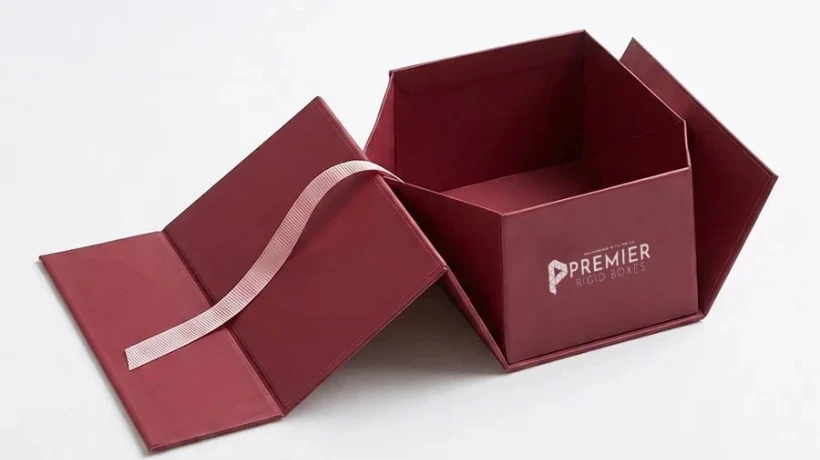
A standard rigid box, the kind that doesn't fold, is expensive to ship because it takes up its full assembled volume the whole way from factory to shelf.
There's a specific moment that luxury brands spend a lot of money engineering, and most customers never notice they're being led through it. It's the pause right before a box opens. Rigid packaging that unfolds slowly, with a bit of resistance, holding its shape the whole time that pause is doing something a simple lift-off lid never manages. It's building anticipation for a product the customer, in most cases, has already decided to buy.
Folding rigid boxes sit in a strange middle ground most people don't think about much. They're not quite the collapsible boxes used for everyday retail, and they're not quite the one-piece rigid boxes typically reserved for the highest-end products either. They fold flat for shipping like standard packaging, but they open with the weight and structure of something built to be kept, not thrown away the second the product's out.
Why This Category Exists at All
A standard rigid box, the kind that doesn't fold, is expensive to ship because it takes up its full assembled volume the whole way from factory to shelf. That's fine for a handful of ultra-premium products where cost barely factors in, but it stops making sense for most luxury or near-luxury brands trying to actually run a business.
Folding rigid packaging solves that problem without giving up much of the premium feel. It ships flat, gets assembled at the retail or fulfillment stage, and still opens with that same substantial, deliberate motion customers associate with high-end packaging. It's a compromise, honestly, but a genuinely good one most customers can't tell the difference in hand-feel, they just notice the box feels expensive.
What Makes the Experience Actually Work
The thickness of the board matters more here than in almost any other packaging category. Luxury customers, even ones who couldn't articulate why, tend to associate weight with quality. A folding rigid box built on board that's too thin ends up feeling hollow the moment someone picks it up, and that undercuts the whole presentation no matter how good the print or finish looks.
The fold mechanism itself needs real engineering behind it, not just a hinge that happens to work. A lid that closes with a soft, controlled resistance not too loose, not requiring real force signals precision in a way that's hard to describe but easy to feel. Brands that get this wrong usually get it wrong in one of two directions: either the box feels flimsy and closes too easily, or it feels stiff and fights the customer every time they try to open it.
Interior presentation matters just as much as the exterior, maybe more. A lot of luxury unboxing moments live entirely in that first two seconds after the lid lifts a contrasting interior color, a foam or fabric insert shaped precisely to the product, a printed message tucked into the lid. None of that changes the packaging's structural job, but it's usually what gets photographed and shared, which matters a lot for how a brand's perceived beyond the single customer holding the box.
Magnetic closures show up constantly in this category for good reason. That soft click when a lid seals shut communicates precision engineering almost instantly, and it does it without a single word of branding needed anywhere on the box.
Materials Worth Knowing About
|
Material Type |
Feel and Presentation |
Shipping Efficiency |
Cost Level |
Typical Use Case |
|
Solid Rigid Board (non-folding) |
Highest perceived weight and quality |
Low — ships fully assembled |
Very High |
Ultra-premium, flagship products |
|
Folding Rigid Board |
Strong, substantial feel |
High — ships flat |
High |
Luxury and near-luxury retail lines |
|
Textured Rigid Laminate |
Adds tactile depth |
Moderate |
High |
Gift sets, seasonal luxury editions |
|
Standard SBS Paperboard |
Lighter, less substantial feel |
High |
Medium |
Mid-tier or accessible luxury lines |
|
Kraft Rigid Hybrid |
Natural, understated luxury feel |
High |
Medium-High |
Sustainable luxury or lifestyle brands |
Folding rigid board tends to be the practical middle ground most brands actually land on heavy enough to read as genuinely premium, but efficient enough to ship without the cost structure of fully rigid, non-folding boxes.
Where the Finish Details Actually Earn Their Cost
Foil stamping, when used sparingly, reads as far more expensive than when it's spread across an entire surface restraint is doing a lot of the perceived-luxury work here, more than people expect. Debossing, pressing a design into the board rather than printing on top of it, holds up over years of handling in a way surface print simply can't, which matters for packaging customers might genuinely keep. And color choice, particularly matte tones over anything glossy, tends to read as more expensive across most luxury categories, probably because gloss has become associated with mass-market packaging over the last decade or so.
Where Brands Get This Wrong
Choosing board that's technically rigid but too thin to feel substantial, chasing the folding convenience without the weight that's supposed to come with it. Overloading the interior with too many elements foam, ribbon, printed tissue, a card, another card until the unboxing feels cluttered instead of considered. And skipping real-world handling tests, so a box that closes beautifully in a design studio ends up sticking or misaligning slightly once it's been through actual shipping and handling.
Final Thoughts
Folding rigid packaging occupies a genuinely useful spot for luxury brands that want the weight and presentation of true rigid packaging without eating the shipping and storage costs that come with it. Done well, it delivers nearly the entire premium experience the resistance, the weight, the interior reveal while staying practical enough to actually run a business around. Done poorly, it just ends up feeling like a rigid box that's slightly disappointing, which in a category built almost entirely on first impressions, is a genuinely costly mistake to make.
Frequently Asked Questions
How is folding rigid packaging different from standard rigid boxes?
Standard rigid boxes ship pre-assembled and never fold flat, which makes them heavier and more expensive to ship. Folding rigid boxes fold down for transport and get assembled later, offering similar weight and feel with lower shipping costs.
Does folding rigid packaging actually feel as premium as non-folding rigid boxes?
In most cases, yes, to the average customer. The difference is usually only noticeable to someone specifically comparing both side by side, which is rare outside of industry professionals.
What board thickness should luxury folding boxes use?
There's no single number that fits every product, but the board needs enough weight that the box doesn't feel hollow when lifted. Testing a physical sample by hand is more reliable than relying on a spec sheet alone.
Are magnetic closures necessary for a luxury feel?
Not strictly necessary, but they're widely used because that soft closing click communicates precision instantly, without needing any additional branding or explanation on the box itself.
Can luxury folding boxes be made sustainably?
Yes. Kraft rigid hybrids and FSC-certified rigid board can deliver a premium feel while remaining more environmentally responsible than traditional glossy rigid packaging.

Comments
Login to Comment