The Hidden Psychology Behind Essential Oil Packaging: Why Your Boxes Are Probably Costing You Sales
25 Jan, 2026
9659 Views 0 Like(s)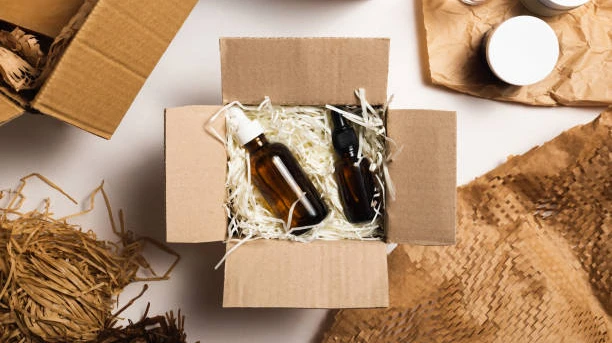
Your essential oil boxes could be costing you sales. Explore packaging psychology, design elements that work, and trends reshaping the wellness industry.
You know what's wild?
I spent three hours last week watching people shop for essential oils at a wellness boutique. Not because I'm creepy, but because I wanted to understand something that's been bugging me for months: why do some essential oil brands fly off the shelves while others—with equally good products—just sit there collecting dust?
The answer hit me when I watched a woman pick up, examine, and put down the same lavender oil three times before finally choosing a competitor's product that was actually $4 more expensive.
It wasn't the oil. It was the box.
The 7-Second Window You're Probably Wasting
Here's a uncomfortable truth that most essential oil brands don't want to hear: your product gets judged in about seven seconds. That's it. Seven seconds for someone to decide whether your carefully sourced, ethically produced, lovingly bottled essential oil is worth their money or just another option in a crowded market.
And during those seven seconds? They're not reading your ingredient list. They're not checking your extraction method. They're having a visceral, almost unconscious reaction to how your product makes them feel.
Your packaging is doing most of that talking.
The Wellness Paradox
Think about who buys essential oils. These are people who read labels, who care about what goes into their bodies, who'll spend twenty minutes researching the difference between therapeutic grade and food grade. They're intentional, mindful, careful consumers.
So why would they want their oils in packaging that screams "mass-produced afterthought"?
They wouldn't. And they don't.

What Actually Happens When Packaging Gets It Right
Last month, a small essential oil company I know redesigned their entire packaging line. Same oils, same prices, same everything—except the boxes.
Their sales jumped 34% in six weeks.
Now, before you think that's just some magical fluke, let me break down what they changed and why it worked.
They Made Protection Look Beautiful
Essential oils are fragile. Light degrades them. Temperature fluctuations mess with them. Physical damage is always one bad shipping day away. But instead of treating protective packaging like a necessary evil, they made it part of the brand story.
Custom inserts that cradled each bottle. Materials that blocked UV light while looking gorgeous. Box construction that could survive a small earthquake. Everything served a purpose, and everything looked intentional.
They Spoke the Customer's Language
The old packaging screamed "AROMATHERAPY ESSENTIAL OIL" in bold letters like it was trying to convince you. The new packaging whispered. Soft colors, minimal text, elegant typography. It looked like something you'd find in a high-end spa, not a discount bin.
Because here's the secret: people buying essential oils already know what essential oils are. They don't need convincing. They need to feel like they're making a sophisticated choice.
They Created a Ritual
Opening their new boxes wasn't just unpacking—it was an experience. A slight resistance as you lifted the magnetic lid. The subtle scent that escaped when you first opened it. The way the bottle nestled in custom-cut foam like a precious gem.
These weren't accidents. They were calculated decisions to make every interaction with the product feel special.
The Five Elements Every Essential Oil Box Needs (But Most Don't Have)
After analyzing hundreds of essential oil brands—from tiny Etsy operations to major retailers—I've noticed that the ones crushing it share five specific packaging elements.
1. Light Protection That Doesn't Hide the Product
This is tricky. Essential oils need dark bottles to preserve their potency, but customers want to see what they're buying. The solution? Strategic windows or cutouts that show just enough to satisfy curiosity without compromising protection.
Some brands use amber or violet glass that looks stunning while blocking harmful light. Others create die-cut windows on the box itself, letting you see the bottle's shape and color without exposing the oil directly.
2. Information Architecture That Actually Helps
Nobody—and I mean nobody—wants to read a novel on your packaging. But they do want quick answers to specific questions: What's this oil for? How do I use it? Is it pure? Where's it from?
The best essential oil boxes handle this with clean, hierarchical design. The most important info (oil type, key benefit) jumps out immediately. Secondary details (sourcing, certifications) are there if you look for them. Everything else lives on an insert or website.
3. Touch Points That Signal Quality
Walk into any luxury store and start touching things. Notice how everything feels substantial, textured, intentional? That's not by accident.
Matte finishes feel more natural and organic than glossy. Slight textures—like linen embossing or soft-touch coating—create a sensory experience. Even the weight of the cardstock communicates value before anyone reads a single word.
Your packaging should feel as premium as the oil inside it.
4. A Clear Brand World
Essential oil customers aren't just buying a product. They're buying into an entire philosophy about wellness, natural living, and self-care.
Your packaging needs to reflect that world consistently. If you're the "back to nature" brand, recycled kraft paper and botanical illustrations make sense. If you're the "modern minimalist" brand, clean lines and plenty of white space work better. If you're the "ancient wisdom" brand, rich colors and ornate patterns tell that story.
What doesn't work? Trying to be all of these at once.
5. Practicality That Doesn't Compromise Beauty
Beautiful boxes that fall apart after one use or can't be recycled aren't just annoying—they actively damage your brand. The whole essential oil movement is built on principles of sustainability and mindfulness. Wasteful packaging contradicts that message at a fundamental level.
Durability, recyclability, and reusability aren't just nice-to-haves. They're brand essentials.
The Three Packaging Traps That Kill Essential Oil Sales
I've watched too many good companies make these mistakes, so let's just put them out there.
Trap #1: Generic "Natural" Aesthetics
Slapping some leaves on a brown box and calling it "natural branding" is the essential oil equivalent of putting kale in your logo. Everyone's doing it. It means nothing.
The brands standing out right now? They're finding unique ways to communicate naturalness. Unexpected color palettes (deep teals, dusty roses, sage greens instead of just brown and green). Sophisticated botanical illustrations instead of clipart. Modern typography that feels clean rather than trying to look hand-drawn.
Natural doesn't have to mean boring.
Trap #2: Information Overload
I get it. You spent months sourcing the perfect organic ylang-ylang from Madagascar. You want people to know about your sustainable farming partners, your careful distillation process, your third-party purity testing.
But your box isn't a white paper. It's a first impression.
Lead with emotion and experience. Save the detailed story for your website, your inserts, or your social media. Your packaging needs to make someone want to learn more, not give them everything upfront.
Trap #3: Ignoring the Full Customer Journey
Your packaging doesn't live in isolation. It exists in someone's medicine cabinet, on their nightstand, in their gym bag. It gets photographed for Instagram. It gets gifted to friends. It gets displayed on bathroom shelves.
Design for all of these contexts, not just the moment of purchase.
The Emerging Trends That Are Reshaping Essential Oil Packaging
The industry's evolving fast, and some of the innovations I'm seeing are genuinely exciting.
Minimalist Maximalism
This sounds contradictory, but hear me out. Clean, minimal packaging with one or two elements that are absolutely maximalist. Like a pure white box with an incredibly detailed, jewel-toned botanical illustration. Or stark black packaging with holographic foil that shifts colors.
It creates impact without clutter.
Modular Systems
Brands are creating packaging that works as a system. Boxes designed to stack perfectly. Collections that share design elements but each has a unique accent color. Starter kits where everything fits together like a puzzle.
This encourages collecting and makes beautiful displays easy.
Interactive Elements
QR codes that lead to blending recipes. Packaging that transforms into a display stand. Boxes with scratch-and-sniff elements so customers can experience the scent before opening. The line between packaging and product experience is blurring.
Radical Transparency
Some brands are printing their entire supply chain on the box. Farm coordinates. Distillation dates. Even the names of the farmers. In an industry plagued by fake "pure" oils, this level of transparency builds instant trust.
When Custom Packaging Becomes Your Marketing Department
Here's something most essential oil brands don't calculate: the marketing value of exceptional packaging.
Think about it. When someone posts an unboxing video or flat-lay photo with your beautifully designed boxes, that's free advertising to their exact target audience. When your packaging is distinctive enough that people recognize it across a room, that's brand awareness money can't buy. When customers keep and reuse your boxes because they're too nice to throw away, that's a permanent billboard in their home.
A friend who runs a successful essential oil brand told me her packaging generates more social media content than any campaign she's ever run. Her customers want to photograph it, share it, talk about it. That happens when packaging transcends function and becomes part of the product experience itself.
Finding Your Packaging Voice in a Noisy Market
With hundreds of essential oil brands competing for attention, how do you develop packaging that's distinctively yours?
Start by forgetting about what your competitors are doing. I know that sounds counterintuitive, but following trends guarantees you'll always be playing catch-up.
Instead, get obsessively clear on who you are and who you serve. What's your brand's personality? If it were a person, how would it dress? What kind of music would it listen to? Where would it hang out?
Then translate that into visual language. A brand that's all about empowering working moms to find moments of calm might use sleek, efficient packaging with pops of energizing color. A brand focused on traditional herbalism might embrace vintage-inspired illustrations and earth tones. A brand targeting luxury wellness enthusiasts might go ultra-minimal with expensive finishes.
There's no one right answer. There's only the answer that's right for your brand and your people.
The Unboxing Economy Is Real
We live in a world where millions of people watch other people open packages for entertainment. This isn't a trend—it's a fundamental shift in how people interact with products.
Your packaging is content now. It's entertainment. It's shareable media.
The brands treating it that way? They're winning.
Making the Move to Custom Packaging
If you're currently using generic packaging and wondering whether custom is worth it, here's my advice: start small but start smart.
You don't need to redesign your entire line at once. Pick your best-selling oil or create a special limited edition. Test custom packaging with that. Measure the response—both in sales data and customer feedback.
Work with packaging partners who understand the essential oil market specifically. They'll know about light protection, proper sizing for different bottle types, and design approaches that resonate with wellness consumers. PackagingCastle works with essential oil brands specifically and understands these nuances.
Get samples. Hold them. Open them. Give them to potential customers and watch their reactions. Good packaging should generate an emotional response before anyone even knows what's inside.

The Bottom Line (That Nobody Likes to Hear)
In a perfect world, your essential oils would sell themselves based purely on quality and efficacy. People would carefully research, compare purity certifications, and make rational decisions based on objective facts.
But we don't live in that world.
We live in a world where people make decisions based on how things make them feel. Where presentation influences perception of quality. Where the unboxing experience matters as much as the product itself.
You can fight against that reality or you can embrace it and use it to your advantage.
The essential oil brands thriving right now aren't necessarily the ones with the absolute best oils (though that helps). They're the ones creating complete brand experiences where every touchpoint—including and especially packaging—reinforces their value and connects with their customers on an emotional level.
Your oils are already amazing. The question is: does your packaging do them justice?
What's Your Next Move?
You've got a choice to make. Keep doing what you're doing and hope for different results. Or recognize that in today's market, exceptional packaging isn't a luxury—it's a competitive necessity.
The essential oil industry isn't slowing down. It's getting more crowded, more sophisticated, more competitive every single day. The brands that understand packaging as a strategic tool rather than a afterthought? They're the ones who'll still be here in five years.
Which side of that divide do you want to be on?

Comments
Login to Comment