The Future of Identity Verification: How Digital Fingerprinting Is Transforming Security in Canada
20 Feb, 2026
7139 Views 0 Like(s)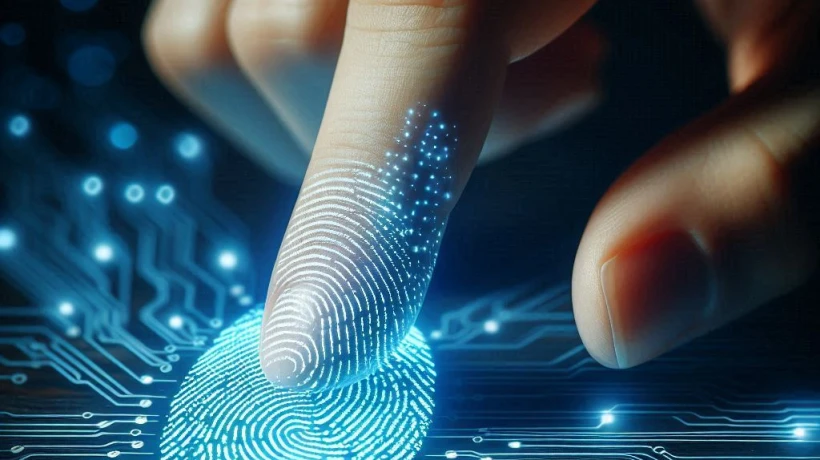
Explore how digital fingerprinting is revolutionizing identity verification across Canada, improving security, accuracy, and efficiency in government services and private industries.
Canada’s approach to identity verification is undergoing a profound transformation. As security challenges grow more complex and citizens demand faster, more reliable services, traditional methods of identification are being replaced by advanced biometric systems. At the forefront of this shift is digital fingerprinting, a technology that is reshaping how individuals are identified in both public and private sectors.
In this article, we’ll explore how digital fingerprinting is influencing security protocols across Canada, enhancing accuracy, preventing fraud, and laying the foundation for future innovations in identity management.
What Is Digital Fingerprinting and Why It Matters in Canada
It refers to the electronic capture, storage, and analysis of an individual’s fingerprint patterns. Unlike older ink-and-card methods, digital systems generate high-resolution images that can be instantly verified and securely transmitted. This provides substantial advantages in speed, precision, and security.
Canada’s biometric infrastructure has embraced digital fingerprint as a core component of identity verification. Agencies like the Royal Canadian Mounted Police (RCMP) and Immigration, Refugees and Citizenship Canada use digital fingerprints to support criminal background checks, immigration screening, passport issuance, and other vital functions.
The adoption of digital fingerprinting ushers in new possibilities for identity management—reducing the risk of fraud while improving operational efficiency across sectors.
Enhancing Security Through Precision and Reliability
One of the most significant benefits of digital fingerprint is its unparalleled accuracy. Traditional methods, such as ink impressions, were prone to smudging or poor-quality captures, which could lead to misidentification or rejected submissions. Digital systems mitigate these issues by capturing crisp images and automatically evaluating quality before submission.
This precision is critical in contexts such as:
- Criminal record checks
- Immigration and refugee processing
- Background screening for employment
- Secure access control in high-security environments
By ensuring that fingerprint images are high-quality and properly formatted from the outset, digital fingerprint reduces errors, speeds up verification, and strengthens national security.
Government Adoption: From Border Security to Citizenship
Government agencies across Canada rely on digital fingerprint data to make timely and informed decisions. For example, digital fingerprints are often collected as part of immigration applications to verify identity and screen for criminal history. Once captured, these fingerprints are securely transmitted to national databases maintained by the RCMP for comparison against extensive records.
It also plays a role in passport issuance and eligibility verification. In these cases, accurate biometric data helps confirm an applicant’s identity, preventing fraud and preserving the integrity of Canada’s documents.
By integrating digital fingerprinting into core processes, government services operate more efficiently while maintaining high security standards. Electronic capture and transmission eliminate lengthy manual processes and reduce the opportunity for human error.
The Private Sector’s Growing Role in Biometric Verification
Beyond government services, private industries are adopting digital fingerprinting to enhance customer authentication and protect sensitive information. Financial institutions, healthcare providers, and technology companies increasingly rely on biometric identity checks for secure account access, transactional approvals, and regulatory compliance.
In banking, for example, digital fingerprints can serve as an added layer of security beyond passwords or tokens, helping prevent unauthorized access to financial accounts. In healthcare, fingerprint-based verification ensures that patient records are accessed only by authorized personnel, reinforcing privacy and data protection standards.
This cross-industry adoption reflects a broader recognition that digital biometrics, including digital fingerprint offer more secure and user-friendly alternatives to traditional identification methods.
Addressing Privacy and Ethical Concerns
As digital fingerprint becomes more widespread, questions surrounding privacy and ethical use inevitably arise. Canadians care deeply about how their personal data is handled and protected. That’s why legislation such as the Office of the Privacy Commissioner of Canada oversees how biometric information is collected, stored, and shared.
Responsible use of digital fingerprinting requires:
- Clear consent procedures
- Secure storage and encryption
- Limited access to authorized personnel
- Transparency in data retention policies
Proper governance ensures that advancements in identity verification do not come at the expense of individual rights. Canada’s legal framework balances innovation with strong safeguards, promoting public trust in biometric systems.
The Role of Technology in Speed and Scalability
Another critical advantage of digital fingerprint is its ability to scale rapidly. Digital systems are capable of processing large volumes of biometric data with minimal delay, which is essential for high-demand services like immigration screening or law enforcement databases.
Automation and artificial intelligence (AI) enhance digital fingerprint processing by:
- Detecting low-quality scans in real time
- Matching prints against expansive databases
- Reducing manual intervention
- Facilitating predictive analytics for security insights
As technology continues to evolve, the potential for AI-powered biometric systems to interpret and verify fingerprint data with even greater accuracy is becoming a reality. This creates opportunities for real-time verification in scenarios ranging from border crossings to secure facility access.
How Digital Fingerprint Improves User Experience
While security is a key driver, user experience also benefits significantly from digital fingerprinting. Traditional fingerprinting required applicants to wait for ink impressions to dry and paper forms to be mailed or physically transported. Digital systems eliminate these steps, enabling faster collection, instant quality assurance, and secure electronic submission.
For applicants undergoing background checks, travel document processing, or employment verification, digital fingerprinting translates to:
- Reduced wait times
- Fewer repeat appointments
- Faster processing outcomes
- Greater convenience overall
This improved experience helps foster widespread acceptance of biometric technologies.
Preparing for the Next Evolution of Identity Verification
Looking ahead, the future of identity verification in Canada will likely expand beyond fingerprints to incorporate multi-factor biometric systems. Facial recognition, iris scans, and voice authentication are among the complementary technologies gaining traction.
However, digital fingerprinting remains a cornerstone of biometric identity systems due to its uniqueness, reliability, and broad applicability. Even as new technologies emerge, fingerprint-based verification will continue to play a vital role in:
- National security frameworks
- Immigration and travel systems
- Secure digital transactions
- Critical infrastructure access
By building on a robust foundation of digital fingerprint verification, Canada is well-positioned to lead in secure, efficient, and privacy-conscious identity management.
Conclusion: The Promise of Digital Fingerprinting in Canada
The adoption of digital fingerprint marks a significant milestone in Canada’s security and identity verification evolution. From government services to private-sector applications, this technology enhances precision, accelerates processes, and creates safer environments for citizens and residents alike.
As digital systems continue to improve, the promise of faster, more reliable identity verification becomes increasingly attainable. By focusing on sound regulation, ethical practices, and technological innovation, Canada is charting a course toward a future where biometric verification supports both security and convenience.


Comments
Login to Comment