The Future of Electric Vehicles in India
28 Nov, 2025
9980 Views 8 Like(s)
The Future of Electric Vehicles in India India’s automotive landscape is undergoing a massive transformation, and at the center of this shift lies the rapid rise of Electric Vehicles (EVs). What once seemed like a distant dream is now turning into a mainstream reality, thanks to improving technology, government support, and changing consumer preferences. As we move deeper into the decade, the future of EVs in India looks brighter than ever. Here’s a detailed look at what lies ahead.
The Future of Electric Vehicles in India
India’s automotive landscape is undergoing a massive transformation, and at the center of this shift lies the rapid rise of Electric Vehicles (EVs). What once seemed like a distant dream is now turning into a mainstream reality, thanks to improving technology, government support, and changing consumer preferences. As we move deeper into the decade, the future of EVs in India looks brighter than ever. Here’s a detailed look at what lies ahead.
1. A Rapidly Expanding EV Market
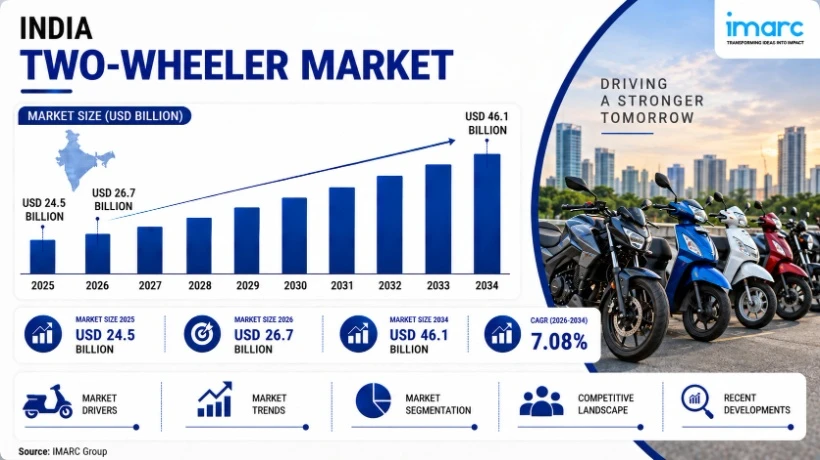
Over the past few years, India has seen a significant increase in EV adoption—especially in the two-wheeler and three-wheeler segments. This momentum is expected to continue as more affordable EV models enter the market. Major automakers like Tata Motors, Mahindra, Hyundai, and MG are already expanding their EV lineup, while international brands such as Tesla and BYD have shown a growing interest in India.
Government projections suggest that by 2030, EVs could make up 30% of private cars, 70% of commercial vehicles, and nearly 80% of two- and three-wheelers on Indian roads. If this trend continues, EVs will no longer be niche—they will be the new normal.
2. Strong Government Push and Policies
One of the biggest drivers of EV growth is policy support:
FAME II Subsidies
The Faster Adoption and Manufacturing of Electric Vehicles (FAME II) scheme offers incentives for purchasing electric two-wheelers, three-wheelers, buses, and some four-wheelers.
GST Reductions
EVs attract only 5% GST, compared to 28% on regular ICE vehicles.
State EV Policies
States like Maharashtra, Delhi, Karnataka, Tamil Nadu, and Gujarat offer:
-
Road tax exemptions
-
Registration fee waivers
-
Direct purchase incentives
-
Charging station subsidies
These measures significantly lower the cost of owning an EV, making them more attractive.
3. Charging Infrastructure Is Getting Better
One of the biggest concerns people have about EVs is charging availability. But India is rapidly expanding its charging network. Today, thousands of public chargers operate across metro cities, highways, malls, and workplaces. By 2030, the government plans to install 100,000+ public charging stations.
Additionally:
-
Many residential societies are adding EV-friendly parking.
-
Companies like Tata Power, Statiq, and ChargeZone are creating nationwide fast-charging networks.
-
Highways like Delhi–Jaipur, Mumbai–Pune, and Bengaluru–Mysore already have reliable charging corridors.
Over the next few years, charging an EV will become as simple as refueling a petrol car.
4. Better Technology and Longer Range
Battery technology is advancing rapidly, which means:
-
Longer driving range
-
Faster charging times
-
Improved battery life
-
Lower battery costs
Future EVs in India are expected to deliver 400–600 km range on a single charge, making long drives completely feasible.
Emerging technologies like solid-state batteries, battery swapping, and wireless charging could further revolutionize the EV experience.
5. Lower Cost of Ownership
Although the upfront cost of EVs is slightly higher, they offer huge long-term savings:
-
EVs cost 70–80% less to run compared to petrol cars.
-
Maintenance costs are much lower due to fewer moving parts.
-
Many EVs come with 8-year / 160,000 km battery warranties.
As battery prices drop globally, EVs will soon become even cheaper than petrol cars.
6. A Greener and Cleaner India
EVs play a crucial role in reducing pollution—one of India’s biggest challenges. With cities like Delhi, Mumbai, and Bengaluru facing severe air-quality issues, electric mobility offers a clean and sustainable alternative. If India meets its EV targets, the country could significantly cut carbon emissions and reduce its dependence on fossil fuels.
Conclusion
The future of electric vehicles in India is promising, exciting, and transformative. With strong government support, rapidly improving infrastructure, advancing technology, and growing consumer awareness, India is well on its way toward an electric revolution.
In the next decade, EVs won’t just be an option—they will be the preferred choice for millions of Indians seeking cleaner, cheaper, and smarter mobility.

Comments
Login to Comment