The Complete Process of Professional Carpet Cleaning for Offices
09 Feb, 2026
8239 Views 0 Like(s)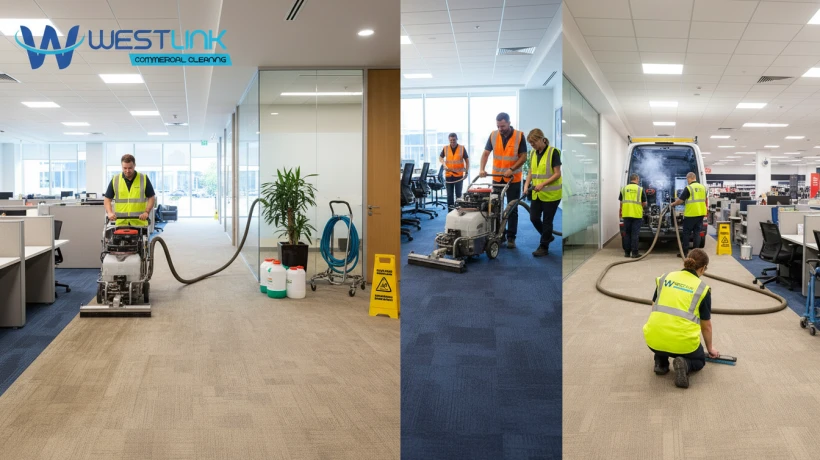
Professional office carpet cleaning includes inspection, vacuuming, deep cleaning, stain removal, drying, and final quality checks.
The Complete Process of Professional Carpet Cleaning for Offices
Professional carpet cleaning for offices is a step-by-step method used by experts to deep clean rugs and floors in work spaces, removing dirt, stains, and allergens that build up over time. This process goes beyond regular vacuuming, using special tools and solutions to make carpets look new again. It's important because clean carpets help create a healthy office environment, reduce sick days from dust and germs, and extend the life of the flooring, saving businesses money in the long run.
Why Offices Need Regular Carpet Cleaning
Offices see a lot of foot traffic every day, which grinds in dirt and spills that can damage fibers over time. Without proper care, carpets can harbor bacteria, dust mites, and odors, leading to an unhealthy workspace. Professional carpet cleaning for businesses tackles these issues by using advanced techniques that everyday cleaning can't match. For example, in a busy reception area, stains from coffee or ink might seem permanent, but pros can lift them out safely. This keeps the office looking sharp and welcoming to clients.
Preparing the Area for Cleaning
Before starting, the cleaning team clears the space by moving furniture like desks and chairs to access every part of the carpet. They also check for any items that could get damaged, such as electronics or plants, and protect them with covers. This step ensures nothing gets in the way and prevents accidents. A quick sweep for loose items, like paper clips or trash, helps too. Good preparation makes the whole process smoother and faster.
Inspecting and Assessing the Carpets
The experts begin by walking through the office to spot problem areas, like high-traffic zones near entrances where dirt builds up most. They look for stains, wear patterns, and types of carpet material to choose the right methods. For instance, wool carpets might need gentler treatments than synthetic ones. They also test small spots for colorfastness to avoid fading. This careful check helps customize the cleaning plan for the best results without causing harm.
Vacuuming and Pre-Treating Stains
First, a powerful commercial vacuum removes loose dirt, dust, and debris that regular office vacuums miss, preparing the surface for deeper work. Then, pre-treatment solutions are sprayed on tough spots like food stains or pet dander if allowed in the office, breaking them down without harsh chemicals. These solutions often include eco-friendly enzymes that eat away at grime naturally. In areas with heavy soiling, like under desks, a brush might be used to agitate the fibers gently. This step is key to lifting embedded particles that cause allergies. Overall, it sets the stage for effective deep cleaning, ensuring the carpet stays fresh longer.
Choosing the Right Cleaning Method
Professionals select methods based on the carpet type and office needs, such as hot water extraction, which uses steam and suction to pull out deep dirt. Dry cleaning with absorbent powders is another option for quick-drying results in busy offices that can't afford downtime. For example, in a large conference room, encapsulation cleaning might be used, where a crystallizing solution traps soil for easy vacuuming later. Tools like truck-mounted machines provide strong power for thorough rinsing. These approaches address common problems like mold from moisture or fading from sun exposure. By matching the method to the space, the process delivers spotless results with minimal disruption.
Rinsing, Extracting, and Drying
After applying cleaners, hot water or rinsing agents flush out residues, preventing sticky buildup that attracts more dirt. Powerful extractors then suck up the water and loosened grime, leaving the carpet much cleaner. Fans or air movers speed up drying to avoid mildew, especially in humid offices. Grooming tools, like rakes, fluff the fibers back to their original look. This phase tackles issues like water damage risks and ensures even drying across the floor. In the end, the office is ready for use sooner, with carpets feeling soft and odor-free.
Final Checks and Touch-Ups
Once dry, the team inspects every area for missed spots, re-treating any stubborn stains if needed. They rearrange furniture carefully to avoid dents in the fresh carpet. A final vacuum pass picks up any remaining fluff or particles. This ensures the job meets high standards, with no surprises later. Clients often get tips on spot cleaning for future spills.
Tips for Maintaining Clean Carpets Between Visits
To keep carpets in top shape, schedule regular professional sessions every 6-12 months, depending on office traffic. Use doormats at entrances to trap outside dirt and encourage shoe removal in some areas. Quick action on spills with blotting cloths prevents set-in stains. Simple habits like these extend the benefits of the cleaning process.
In summary, the complete process of professional carpet cleaning for offices starts with preparation and inspection, moves through vacuuming, treating, and deep methods like hot water extraction, and ends with rinsing, drying, and final checks. This approach removes dirt, allergens, and stains while protecting the carpet's life. It creates a healthier, more inviting workspace that boosts employee morale and impresses visitors. The main takeaway is that investing in expert care saves time and money by preventing bigger problems down the line. Regular maintenance keeps offices looking professional and fresh.
FAQs
What is the difference between professional and DIY carpet cleaning?
Professional cleaning uses powerful tools and solutions that reach deep into fibers, removing more dirt and allergens than home methods, which often just clean the surface. It's safer for office carpets and avoids damage from wrong chemicals.
How long does the cleaning process take for an average office?
It usually takes 2-4 hours for a medium-sized office, depending on the space and method, but drying can add a few more hours before full use.
Is professional carpet cleaning safe for employees with allergies?
Yes, it removes dust mites, pollen, and other allergens, improving air quality, and many services use hypoallergenic, eco-friendly products.
How often should offices get carpets professionally cleaned?
Most offices benefit from cleaning every 6-12 months, but high-traffic areas might need it more often to prevent wear and buildup.
What if my office can't close for cleaning?
Many services offer after-hours or weekend options, and quick-dry methods minimize downtime so business continues with little interruption.

Comments
Login to Comment