The Best Landscape Design Ideas for Waterfront Homes
21 Jul, 2026
726 Views 0 Like(s)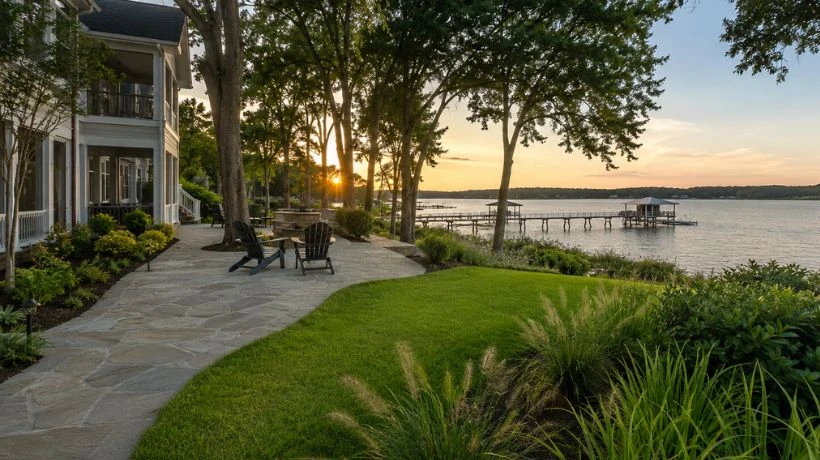
Waterfront homes require thoughtful landscape design to withstand coastal conditions while showcasing stunning views. Learn how native plants, erosion control, sustainable drainage, and functional outdoor living spaces can transform your waterfront property into a beautiful, low-maintenance landscape that thrives in the Lowcountry climate.
Waterfront homes offer stunning views and a unique connection to nature, but they also come with distinct landscaping challenges. Salt spray, strong winds, sandy soils, fluctuating water levels, and erosion can make it difficult to maintain a healthy, attractive landscape. The right landscape design transforms these challenges into opportunities, creating an outdoor space that enhances your property's beauty while protecting the surrounding environment.
At Lowcountry Vistas, we specialize in designing landscapes that complement the natural beauty of the South Carolina Lowcountry. Whether your home overlooks a river, marsh, creek, or the Atlantic Ocean, thoughtful landscape planning can improve curb appeal, increase property value, and create inviting outdoor living spaces that thrive for years to come.
Why Waterfront Landscaping Requires a Different Approach
Unlike inland properties, waterfront homes are constantly exposed to environmental conditions that influence plant selection, drainage, and long-term maintenance. A successful landscape design must balance aesthetics with functionality.
Key considerations include:
- Salt tolerance
- Wind resistance
- Proper drainage
- Erosion control
- Native plant selection
- Environmental protection
- Long-term sustainability
Instead of fighting nature, great waterfront landscapes work with it.
1. Choose Native Coastal Plants
Native plants have evolved to thrive in the Lowcountry's coastal climate. They typically require less irrigation, fewer fertilizers, and minimal maintenance while providing habitat for birds and pollinators.
Some excellent native choices include:
Trees
- Live Oak
- Southern Magnolia
- Red Cedar
- Bald Cypress (for wetter areas)
Shrubs
- Wax Myrtle
- Yaupon Holly
- Sweetspire
- Virginia Sweetspire
Grasses
- Muhly Grass
- Switchgrass
- Little Bluestem
Groundcovers
- Frogfruit
- Sunshine Mimosa
- Native Sedges
Native plants naturally withstand heat, humidity, occasional flooding, and coastal winds much better than many ornamental species.
2. Preserve the Water View
One of the biggest mistakes homeowners make is planting large shrubs or trees that eventually block the property's best feature: the view.
Instead:
- Keep taller plants near the house
- Use lower-growing shrubs near the shoreline
- Frame views rather than hide them
- Create layered planting beds
- Maintain open sightlines from patios and windows
Landscape design should enhance the scenery, not compete with it.
3. Build Outdoor Living Spaces That Embrace the View
Waterfront homes deserve outdoor spaces designed for relaxation and entertaining.
Popular features include:
- Natural stone patios
- Covered seating areas
- Outdoor kitchens
- Fire pits
- Viewing decks
- Garden pathways
- Pergolas
- Native shade gardens
Position seating areas to maximize sunrise, sunset, or marsh views while considering prevailing winds and afternoon sun exposure.
4. Use Natural Materials
Natural materials blend beautifully with coastal surroundings and age gracefully over time.
Consider:
- Flagstone
- Bluestone
- River rock
- Oyster shell pathways
- Natural wood accents
- Weather-resistant composite decking
- Gravel walkways
Avoid overly formal materials that can appear out of place in a natural waterfront setting.
5. Design for Erosion Control
Shoreline erosion is one of the biggest concerns for waterfront homeowners.
Strategic landscape design can help stabilize soil by incorporating:
- Deep-rooted native grasses
- Rain gardens
- Bioswales
- Natural buffer zones
- Groundcovers
- Layered vegetation
Healthy root systems reduce runoff and help keep soil in place during heavy rain.
6. Select Salt-Tolerant Plants
Coastal winds often carry salt spray well beyond the shoreline.
Excellent salt-tolerant plants include:
- Saw Palmetto
- Wax Myrtle
- Sea Oats
- Muhly Grass
- Yaupon Holly
- Live Oak
- Southern Red Cedar
These species continue thriving where less adapted plants struggle.
7. Create a Wildlife-Friendly Landscape
Native landscapes attract beneficial wildlife while maintaining ecological balance.
Consider planting species that support:
- Butterflies
- Native bees
- Songbirds
- Hummingbirds
- Beneficial insects
Avoid invasive plants that disrupt local ecosystems.
Adding bird baths, pollinator gardens, and flowering native plants encourages year-round biodiversity.
8. Plan for Proper Drainage
Waterfront properties often experience heavy rainfall, high water tables, and saturated soils.
Good drainage solutions include:
- Rain gardens
- French drains
- Dry creek beds
- Permeable pavers
- Bioswales
- Strategic grading
Managing water properly protects both your landscape and your home's foundation.
9. Reduce Lawn Areas
Large turf lawns often require more water, fertilizer, and maintenance than necessary.
Instead, replace portions of lawn with:
- Native planting beds
- Ornamental grasses
- Pollinator gardens
- Groundcovers
- Natural mulched areas
Reducing turf creates a healthier landscape while lowering maintenance costs.
10. Incorporate Seasonal Color
A beautiful waterfront landscape should offer interest throughout every season.
Choose plants with:
- Spring blooms
- Summer flowers
- Fall foliage
- Winter berries
- Evergreen structure
- Ornamental seed heads
Layering plants ensures your landscape remains visually appealing all year.
Common Waterfront Landscaping Mistakes
Avoid these common pitfalls:
- Planting invasive species
- Blocking scenic views
- Ignoring drainage issues
- Overcrowding planting beds
- Choosing high-maintenance plants
- Using excessive fertilizer near waterways
- Failing to plan for mature plant sizes
- Neglecting shoreline protection
Professional planning helps prevent expensive corrections later.
Benefits of Professional Waterfront Landscape Design
Working with experienced landscape designers ensures your property is tailored to its unique coastal environment.
Benefits include:
- Customized planting plans
- Improved curb appeal
- Better stormwater management
- Increased property value
- Reduced maintenance
- Healthier plants
- Enhanced outdoor living
- Sustainable, environmentally responsible design
A professionally designed landscape doesn't just look better; it performs better over time.
Why Native Landscaping Is the Ideal Choice for Waterfront Homes
Native landscapes are particularly well suited for coastal properties because they naturally adapt to local conditions. Their deep root systems improve soil stability, they require less supplemental watering, and they provide food and shelter for native wildlife. By incorporating Lowcountry-native plants, homeowners can create landscapes that are both visually stunning and environmentally responsible.
Transform Your Waterfront Property with Lowcountry Vistas
Every waterfront property is unique, and your landscape should reflect both your lifestyle and the surrounding environment. At Lowcountry Vistas, we design custom native landscapes that celebrate the natural beauty of the Lowcountry while addressing the practical needs of coastal living. From plant selection and drainage planning to outdoor living spaces and shoreline-friendly designs, our team creates landscapes that are built to thrive.
Whether your home overlooks a tidal creek, marsh, river, or the Atlantic coastline, we can help you create an outdoor space that feels like a seamless extension of the landscape beyond it.
Frequently Asked Questions
What are the best plants for waterfront homes in South Carolina?
Native species such as Live Oak, Wax Myrtle, Muhly Grass, Yaupon Holly, Sea Oats, and Southern Magnolia perform exceptionally well because they tolerate heat, humidity, wind, and coastal conditions.
How do I prevent erosion in my waterfront landscape?
Use deep-rooted native grasses, groundcovers, layered plantings, rain gardens, and natural buffer zones to stabilize soil and reduce runoff.
Is native landscaping better for waterfront properties?
Yes. Native plants are naturally adapted to the Lowcountry's climate, require less maintenance, use less water, and support local wildlife while helping protect the surrounding ecosystem.
Can landscaping increase the value of a waterfront home?
Absolutely. A professionally designed landscape improves curb appeal, enhances outdoor living, protects the property from erosion and drainage issues, and can significantly increase resale value.



Comments
Login to Comment