The Benefits of Breast Milk in Early Childhood
14 Oct, 2025
11762 Views 24 Like(s)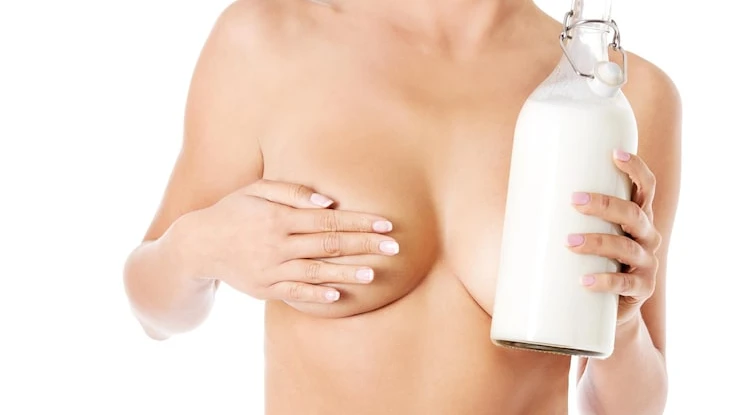
Ultimately, the best approach involves supporting mothers in breastfeeding their own children through workplace policies, professional support, and community resources—ensuring that the remarkable benefits of breast milk reach the babies who need them most, without turning this intimate biological function into a commodity.
Breast milk represents one of nature's most remarkable nutritional substances, providing infants and young children with a perfectly calibrated source of nutrition, immune protection, and developmental support. However, in recent years, an unexpected commercial market has emerged around human breast milk, raising important questions about accessibility, ethics, and commodification of this precious resource.

The Extraordinary Benefits of Breast Milk
Complete Nutritional Perfection
Breast milk is often described as "liquid gold" because of its unparalleled nutritional composition. It contains over 200 complex proteins, beneficial fats including brain-building omega-3 fatty acids, essential vitamins, minerals, and specialized sugars that cannot be replicated in formula. What makes breast milk truly remarkable is its dynamic nature—it changes composition throughout the day, across feeding sessions, and as the baby grows, adapting precisely to meet the infant's evolving needs.
In the first few days after birth, mothers produce colostrum, an incredibly concentrated form of milk rich in antibodies, proteins, and immune factors. This early milk is specifically designed to coat the newborn's digestive system, providing immediate immune protection while the baby's own immune system begins developing.
Immune System Protection
Breast milk functions as a baby's first vaccine, transferring crucial antibodies and immune cells from mother to child. When a mother encounters pathogens in her environment, her immune system creates specific antibodies that are then delivered to her baby through breast milk, providing targeted protection against diseases the child is likely to encounter.
Research consistently demonstrates that breastfed infants experience significantly fewer respiratory infections, ear infections, gastrointestinal illnesses, and hospitalizations during their first year of life. The protective effects extend to reducing risks of sudden infant death syndrome (SIDS), childhood leukemia, and obesity later in life.
Brain Development and Cognitive Benefits
The fatty acids in breast milk, particularly DHA and ARA, are essential building blocks for brain and eye development. During the first two years of life, the human brain undergoes extraordinary growth, and breast milk provides the optimal nutrients to support this critical period. Multiple studies have found associations between breastfeeding duration and improved cognitive test scores, better academic performance, and enhanced language development.
Digestive Health and Microbiome Development
Breast milk contains oligosaccharides—specialized sugars that human infants cannot actually digest. Instead, these compounds feed beneficial bacteria in the infant's gut, promoting the establishment of a healthy microbiome. This early bacterial colonization has lifelong implications for immune function, metabolism, and even mental health.
Reduced Risk of Chronic Diseases
Children who were breastfed show lower rates of various chronic conditions, including type 1 and type 2 diabetes, asthma, eczema, inflammatory bowel disease, and certain childhood cancers. The mechanisms involve immune system maturation, healthy metabolic programming, and the anti-inflammatory properties of breast milk components.
Emotional Bonding and Development
The skin-to-skin contact and intimate connection during breastfeeding support emotional bonding between mother and child, promoting secure attachment and healthy psychological development. The act of nursing also releases hormones in both mother and baby that reduce stress and promote feelings of calm and wellbeing.
The Commercial Market for Human Breast Milk
While breastfeeding directly from the mother remains the ideal, various circumstances have created demand for donated or purchased human milk, leading to both regulated milk banks and informal markets.
Medical-Grade Milk Banks
Non-profit, hospital-affiliated milk banks operate under strict safety protocols established by organizations like the Human Milk Banking Association of North America (HMBAA). These banks accept donations from carefully screened mothers, pasteurize the milk to eliminate pathogens, and provide it primarily to premature infants in neonatal intensive care units.
Pricing from Medical Milk Banks: Medical-grade donated human milk from accredited milk banks typically costs between $3 to $5 per ounce (approximately ₹250-420 per ounce in India). For context, premature infants may require 20-30 ounces per day, making the cost substantial at $60-150 daily or $1,800-4,500 monthly. However, this milk has been rigorously screened, tested, and pasteurized to ensure safety.
Online and Informal Markets
The internet has facilitated peer-to-peer breast milk sharing and sales through websites, social media groups, and classified advertisements. Prices in these informal markets vary considerably:
Informal Market Pricing:
- Direct peer-to-peer sales: $1-3 per ounce (₹80-250 per ounce)
- Online marketplaces: $2-4 per ounce (₹165-330 per ounce)
- Fresh vs. frozen: Fresh milk often commands higher prices
- Bulk purchases: Some sellers offer discounts for larger quantities
Some informal sellers charge $150-300 per month's supply depending on the quantity and arrangement.
International Variations
Prices vary significantly by region and availability:
- United States: $2-5 per ounce through various channels
- United Kingdom: £1-2 per ounce in informal markets
- India: ₹100-300 per ounce in emerging markets
- China: Higher prices due to strong demand and formula scandals
The Bodybuilding and Adult Consumption Market
Surprisingly, a controversial market has emerged among bodybuilders and adults who believe breast milk offers fitness or health benefits. Some sellers specifically target this demographic, charging premium prices of $5-10 per ounce or more. However, there is no scientific evidence supporting special benefits of breast milk for adults, and this practice raises ethical concerns about diverting a precious resource from infants who genuinely need it.
Important Safety and Ethical Considerations
Risks of Informal Milk Sharing
Unlike regulated milk banks, informal breast milk transactions carry significant risks:
- Disease transmission: HIV, hepatitis B and C, and other pathogens can be transmitted through breast milk
- Contamination: Improper collection, storage, or handling can introduce bacteria
- Medication and drug exposure: Donors may use medications or substances that pass into milk
- Dilution or adulteration: Unscrupulous sellers may dilute milk with formula or cow's milk
- Lack of screening: No verification of donor health status or lifestyle factors
Ethical Concerns
The commodification of breast milk raises complex ethical questions:
- Exploitation: May financially exploit women in vulnerable economic situations
- Access inequality: Creates disparities where only wealthy families can afford donor milk
- Diversion from need: Adult consumption diverts milk from babies who medically require it
- Informed consent: Questions about whether milk donors fully understand how their milk will be used
Regulatory Landscape
The breast milk market operates in a largely unregulated space in most countries. The FDA in the United States recommends against purchasing breast milk from unknown sources but does not prohibit it. Most countries lack specific legislation governing breast milk sales, creating a gray market with minimal consumer protection.
Making Informed Decisions
When Donor Milk May Be Needed
Legitimate needs for donor human milk include:
- Premature or hospitalized infants
- Medical conditions preventing breastfeeding
- Adoptive parents seeking to provide human milk
- Mothers unable to produce sufficient milk despite support
Safer Alternatives to Purchasing Milk
Families seeking donor milk should consider:
- Accredited milk banks: Though expensive, they provide screened, pasteurized milk
- Milk sharing organizations: Non-profit networks connecting donors and recipients with safety guidelines
- Lactation support: Professional help to establish or increase milk production
- Quality infant formula: Modern formulas are safe and nutritionally adequate
Supporting Breastfeeding
Rather than creating markets for breast milk, society should focus on:
- Paid parental leave policies
- Workplace lactation support
- Professional lactation consulting services
- Community breastfeeding support groups
- Public health education about breastfeeding benefits
Conclusion
Breast milk provides irreplaceable benefits for infants and young children, offering optimal nutrition, immune protection, and developmental support during the critical early years of life. While medical circumstances sometimes create legitimate needs for donor milk, the emerging commercial market raises significant safety, ethical, and equity concerns.
Accredited milk banks provide a safe option for families with medical needs, though at costs ranging from $3-5 per ounce. Informal markets offer lower prices but carry substantial risks of contamination and disease transmission. The adult consumption market represents a troubling diversion of resources from infants who genuinely need this precious substance.


Comments
Login to Comment