The 5 wettest places on Earth
30 Apr, 2026
1918 Views 0 Like(s)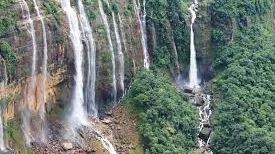
The 5 wettest places on Earth
1. Mawsynram
Often recognized as the wettest place on Earth, Mawsynram is located in the northeastern Indian state of Meghalaya. This small village receives an average annual rainfall of over 11,800 mm. The region’s unique geography—nestled in the Khasi Hills and facing moisture-laden winds from the Bay of Bengal—makes it highly prone to heavy rainfall.
During the monsoon season, rain is almost continuous, shaping the lifestyle of the locals. Houses are specially designed to withstand constant moisture, and people often use traditional bamboo umbrellas. The abundant rainfall also supports lush greenery, waterfalls, and unique living root bridges, making it a popular destination for eco-tourists.
2. Cherrapunji
Close to Mawsynram lies Cherrapunji, another contender for the wettest place on Earth. It once held the record for the highest annual rainfall ever recorded—over 26,000 mm in a single year. Even today, it receives an average rainfall of around 11,400 mm annually.
Cherrapunji is famous for its dramatic landscapes, deep valleys, and powerful waterfalls like Nohkalikai Falls. Interestingly, despite receiving heavy rainfall, the region often faces water shortages during dry months due to poor water retention in the soil. This contrast makes Cherrapunji a unique study in hydrology and climate patterns.
3. Tutunendo
Moving to South America, Tutunendo in Colombia is one of the wettest inhabited places in the Western Hemisphere. Located in the Chocó region, it receives around 11,700 mm of rainfall annually.
The area is surrounded by dense tropical rainforests and is part of one of the most biodiverse regions on Earth. Rainfall here is spread throughout the year, with no distinct dry season. The constant moisture supports a wide variety of plant and animal species, many of which are endemic to the region.
4. Cropp River
The Cropp River, located on the West Coast of New Zealand’s South Island, is another extremely wet location. It records an average annual rainfall of about 11,500 mm. The surrounding Southern Alps play a significant role in this, as moist air from the Tasman Sea rises over the mountains, cools, and releases heavy precipitation.
This region is largely uninhabited but is important for scientific research and environmental monitoring. The consistent rainfall feeds rivers and supports temperate rainforests, contributing to New Zealand’s stunning natural beauty.
5. Debundscha
Situated at the base of Mount Cameroon in West Africa, Debundscha is one of the wettest places on the African continent. It receives approximately 10,300 mm of rainfall annually.
The location’s proximity to the Atlantic Ocean and the presence of Mount Cameroon create ideal conditions for heavy rainfall. Moist air from the ocean rises along the mountain slopes, leading to frequent and intense precipitation. Despite its extreme weather, Debundscha supports agriculture, particularly banana and rubber plantations.
Why Are These Places So Wet?
The extreme rainfall in these regions is largely due to a combination of geographic and climatic factors. Most of these locations are situated near mountains and large water bodies. Moist air carried by winds rises when it encounters high terrain, cools, and condenses into rain—a process known as orographic precipitation.
Additionally, tropical regions tend to receive more rainfall due to warm temperatures that increase evaporation and moisture in the atmosphere. When combined with favorable wind patterns, this leads to consistent and heavy rainfall.
Final Thoughts
The wettest places on Earth highlight the incredible diversity of our planet’s climate systems. While constant rainfall can pose challenges for human habitation, it also creates thriving ecosystems rich in flora and fauna. From the misty hills of Meghalaya to the dense jungles of Colombia, these regions remind us of nature’s power and beauty.
Understanding these areas not only satisfies curiosity but also helps scientists study climate change, water cycles, and biodiversity—making them important far beyond their record-breaking rainfall.


Comments
Login to Comment