7 ways to make the best scrambled eggs of your life
30 Apr, 2026
1890 Views 0 Like(s)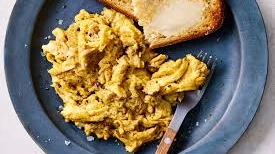
7 ways to make the best scrambled eggs of your life
Scrambled eggs may look simple, but getting them truly perfect—soft, creamy, flavorful, and never dry—is an art. If you’ve been settling for average eggs, it’s time to upgrade your technique. Here are seven proven ways to make the best scrambled eggs of your life.
1. Start with Fresh, High-Quality Eggs
The foundation of great scrambled eggs is quality. Fresh eggs have brighter yolks, better texture, and richer flavor. If possible, choose farm-fresh or free-range eggs. You’ll notice the difference immediately—not just in taste, but also in the way they cook. Fresh eggs hold together better and create a more luxurious scramble.
2. Whisk Properly (But Not Too Much)
Crack your eggs into a bowl and whisk them thoroughly until the yolks and whites are fully combined. This ensures even cooking and a smooth texture. However, avoid over-whisking. You don’t want to incorporate too much air, which can make your eggs dry and spongy instead of soft and creamy.
For extra richness, you can add a small splash of milk or cream, but keep it minimal. Too much liquid can dilute the flavor and affect the texture.
3. Use Low Heat—Patience is Key
One of the biggest mistakes people make is cooking scrambled eggs on high heat. This leads to dry, rubbery eggs. Instead, cook them on low to medium-low heat. Slow cooking allows the proteins to gently set, resulting in a soft, creamy consistency.
Yes, it takes a little longer—but the payoff is worth it. Think of it as a controlled process rather than a rushed one.
4. Choose the Right Pan and Fat
A non-stick pan works best for scrambled eggs, as it prevents sticking and makes cleanup easier. When it comes to fat, butter is the gold standard. It adds richness and enhances the flavor beautifully.
Let the butter melt gently before adding the eggs. Avoid browning it too much, as that can change the flavor profile. You want a smooth, silky base for your eggs.
5. Stir Gently and Continuously
Once the eggs hit the pan, stir them slowly and consistently using a spatula. Push the eggs from the edges toward the center, allowing uncooked egg to flow into the empty space.
This technique creates soft curds rather than large, dry chunks. Keep the movement gentle—aggressive stirring can break the texture and lead to uneven cooking.
6. Remove from Heat at the Right Time
Scrambled eggs continue to cook even after you remove them from the heat due to residual heat in the pan. This is called carryover cooking.
To avoid overcooking, take the eggs off the heat when they are slightly underdone—still soft and a little glossy. They will finish cooking on their own and reach the perfect consistency.
Timing here is everything. Just a minute too long on the heat can turn perfect eggs into dry ones.
7. Season at the End for Best Flavor
While it’s common to add salt before cooking, doing so can sometimes draw out moisture and affect the texture. For the best results, season your scrambled eggs toward the end of cooking or just after removing them from the heat.
Add salt, freshly ground black pepper, and even a touch of herbs like chives or parsley. If you want to elevate your eggs further, try adding cheese, sautéed mushrooms, or a pinch of chili flakes for extra depth.
Final Thoughts
Perfect scrambled eggs are all about technique, not complexity. By focusing on low heat, gentle stirring, and proper timing, you can transform a basic breakfast into something truly exceptional.
Once you master these seven tips, you’ll never go back to overcooked, bland eggs again. Instead, you’ll enjoy soft, creamy, restaurant-quality scrambled eggs right from your own kitchen—every single time.



Comments
Login to Comment