The 10 Year Renovation Test: Will Your Design Still Work Later?
12 Sep, 2026
8 Views 0 Like(s)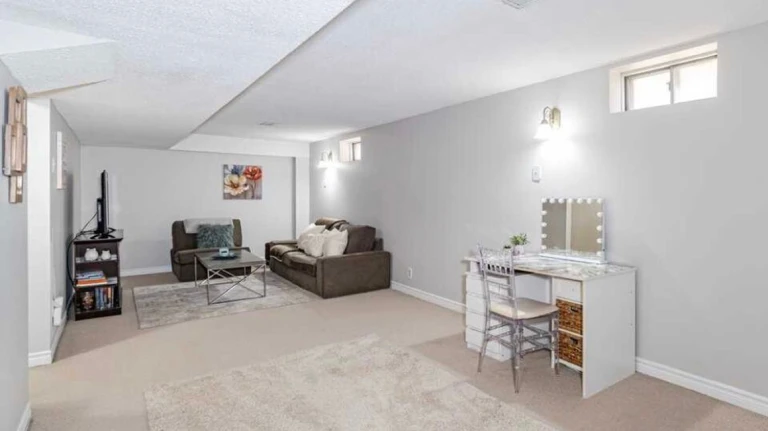
For homeowners planning Home Renovation In Innisfil, using a ten year test can help separate short lived design ideas from improvements that provide lasting value.
A home renovation can be exciting because it gives you the chance to fix problems, improve comfort, and create spaces that better match your lifestyle. It is easy, however, to focus only on how the home will look when the work is finished.
A better question is this: will the design still work ten years from now?
A home changes as people change. Children grow, work routines can shift, storage needs can increase, and rooms may need to serve different purposes. Recent renovation guidance increasingly emphasizes flexible layouts, durable materials, and planning for changing household needs rather than designing only for the present.
For homeowners planning Home Renovation In Innisfil, using a ten year test can help separate short lived design ideas from improvements that provide lasting value.
What Is the 10 Year Renovation Test?
The ten year renovation test is a simple way to examine a design before construction begins.
Instead of asking whether you like a feature today, ask whether it will continue to support your lifestyle years from now.
This does not mean every renovation must look traditional or avoid modern ideas. It means the most important decisions should be based on function, comfort, durability, and flexibility.
Think Beyond the Finished Photos
A newly renovated home can look impressive in photographs. But photographs cannot show whether a kitchen has enough storage, whether furniture fits comfortably, or whether a room remains useful as your needs change.
A good design should work when the excitement of the renovation has passed.
Start With How Your Life May Change
No one can predict exactly what life will look like ten years from now. You can, however, think about reasonable possibilities.
Your household may grow. Children may become teenagers. You may work from home more often. Family members may visit more frequently. You may eventually want easier access throughout the property.
Planning for these possibilities does not mean designing for problems that may never happen. It means avoiding choices that make future changes unnecessarily difficult.
Build Flexibility Into Rooms
A flexible room can serve different purposes over time.
A spare bedroom could become an office today and a guest room later. A family room could provide space for hobbies, entertainment, or quiet activities. A room with sensible storage and enough usable floor space can adapt more easily.
Research on future focused home design also recommends creating rooms that can change function as household needs evolve.
Do Not Let Trends Control the Whole Design
Trends can provide inspiration, but they should not determine every major renovation decision.
A style that feels exciting today may look dated several years later. This does not mean you should avoid personality or creativity. It simply means that the foundation of the design should remain useful even when tastes change.
During Home Renovation In Etobicoke, homeowners can use current styles for details while keeping major decisions focused on long term function.
Choose Timeless Foundations
Major elements can be harder and more expensive to replace.
Think carefully about layouts, flooring, cabinets, doors, built in storage, and other permanent features. If these elements are practical and well planned, smaller decorative changes can refresh the home later without requiring another major renovation.
A timeless foundation gives you more freedom to update the appearance over time.
Test the Kitchen for the Future
Kitchens often receive significant attention during renovation because they are used every day.
The ten year test is especially useful here.
Ask whether the kitchen will still provide enough storage, preparation space, seating, and comfortable movement as your household changes.
Think About More Than Appearance
A beautiful kitchen can still become frustrating if appliances are poorly placed or storage is difficult to access.
Consider how groceries enter the kitchen, where food is prepared, how dishes are cleaned, and where frequently used appliances are stored.
Think about whether the kitchen can support different cooking habits in the future.
A flexible kitchen does not need to predict every possible change. It simply needs enough practical space and sensible organization to adapt.
Plan Storage for Tomorrow
Storage needs rarely stay exactly the same.
Households collect belongings over time. Children may need different storage as they grow. Work from home arrangements can create new equipment needs. Seasonal items also require somewhere to go.
A renovation that barely meets today's storage needs may become frustrating later.
Look for Adaptable Storage
Consider storage that can be adjusted or used in different ways.
Shelving can sometimes be changed as needs develop. Closets can be designed to support different types of belongings. Cabinets can provide hidden storage while keeping rooms visually clean.
The goal is not to fill every wall with cabinets. It is to make storage convenient enough that the home remains organized.
Consider How Rooms Connect
A home should not be planned as a collection of unrelated rooms.
The relationship between spaces affects movement, privacy, lighting, noise, and everyday routines.
A layout that works well today may become less practical if household needs change.
Test Different Uses
Imagine how each important room could be used differently.
Could an office become a bedroom if necessary? Could a dining area support another activity? Could a family room become quieter when needed?
Flexible design can make a home more useful without requiring additional square footage.
Recent design guidance also highlights the value of adaptable spaces and layouts that can respond to changing lifestyles.
Think About Accessibility Before You Need It
Accessibility is not only something to consider when a problem already exists.
Aging, injury, or changes in mobility can make stairs, narrow passages, high storage, and difficult bathrooms more challenging.
Planning some flexibility during renovation can make future changes easier.
Make Everyday Movement Easier
Think about clear walking paths, comfortable doorways, sensible storage heights, good lighting, and bathroom access.
You do not need to make the entire house feel clinical or specialized. Many accessibility improvements can simply make a home easier for everyone to use.
For Home Renovation In Innisfil, considering these details early can help create a home that remains comfortable through different stages of life.
Choose Materials for Real Life
Materials should be selected based on more than appearance.
Consider how much use a surface will receive, how often it needs cleaning, and whether it can handle the conditions of the room.
A material that looks beautiful but requires constant care may become frustrating.
Ask How Materials Will Age
Before choosing a finish, consider:
- How often will this surface be used?
- How easy will it be to clean?
- Will normal household activity cause visible wear?
- Can the material be repaired if it becomes damaged?
- Will the appearance still suit the home after several years?
Durability does not mean choosing the most expensive material. It means choosing something appropriate for how the space will actually be used.
Plan Lighting for Changing Needs
Lighting is another decision worth testing for the future.
A room may serve one purpose today and another later. Lighting should provide enough flexibility to support different activities.
Use More Than One Lighting Source
A kitchen may need focused lighting for food preparation. A living room may need comfortable general lighting and additional light for reading. A home office may need clear illumination for work.
Planning different lighting options can make a room easier to adapt.
Good lighting can also improve comfort as people age, making it a useful long term investment.
Avoid Designing Every Room for One Purpose
A room that has only one possible use can become less valuable when circumstances change.
This does not mean every room should become a multipurpose space. Too many functions can create clutter.
Instead, think about which rooms could reasonably change purpose.
Keep Furniture Flexible
Furniture can influence how adaptable a room becomes.
Avoid filling every available area with permanent pieces. Leave enough usable floor space for future changes.
A room with simple, practical furniture can often be rearranged more easily than one filled with large fixed items.
Think About Technology Without Overdoing It
Technology changes quickly.
It can be difficult to predict which devices or systems will be common ten years from now. Instead of trying to predict every trend, focus on practical flexibility.
Plan enough electrical access for everyday needs. Think about where work equipment, entertainment devices, and household technology may be used.
Avoid making major design decisions around technology that may become outdated quickly.
Plan Your Renovation in Stages
Not every improvement needs to happen at once.
A clear long term plan can help homeowners decide which projects are urgent, which should happen soon, and which can wait. Recent home improvement planning guidance recommends organizing projects around different time horizons instead of treating every improvement as an immediate project.
A practical renovation plan may include:
- Immediate safety, structural, water, and essential system concerns
- Near term layout, comfort, storage, and room improvements
- Long term updates that can be planned as needs develop
- Decorative changes that can be completed when convenient
This approach can make a large renovation feel more manageable.
Test the Design Against Your Daily Routine
Before approving a final design, imagine a normal day in the renovated home.
Picture making breakfast, getting ready for work, storing groceries, cleaning the kitchen, relaxing in the evening, hosting guests, and putting belongings away.
Then imagine the same home five or ten years later.
Would the layout still make sense?
Look for Potential Problems
Pay attention to areas where future frustration could develop.
A kitchen island that leaves very little walking space may become annoying. A closet with limited access may become difficult to organize. A room with no flexibility may become unsuitable if its purpose changes.
Finding these problems before construction is much easier than fixing them afterward.
The Best Designs Leave Room for Change
A home does not need to predict the future perfectly.
It simply needs to avoid making future changes unnecessarily difficult.
Flexible rooms, useful storage, durable materials, sensible layouts, and practical lighting can help a home remain comfortable as life changes.
During Home Renovation In Etobicoke, this long term approach can help homeowners make choices that are useful now while remaining adaptable later.
Ask the 10 Year Question Before Every Major Decision
Before approving an important renovation feature, ask yourself whether you would still be happy with it in ten years.
If the answer is yes because it improves comfort, function, storage, movement, or flexibility, it may be a strong choice.
If the only reason is that it is currently popular, take another look.
Home Renovation In Innisfil can benefit from this simple test because it encourages homeowners to focus on lasting improvements instead of short term excitement. The same thinking can make Home Renovation In Etobicoke more practical by creating spaces that can adapt to changing household needs.
Conclusion
The best renovation is not necessarily the one that looks the newest. It is the one that continues to work well after the excitement of construction has passed.
A ten year test encourages homeowners to think about changing routines, storage, comfort, accessibility, materials, lighting, and room flexibility before making major decisions. These details may not always create dramatic photographs, but they can have a meaningful effect on everyday life.
Quick & Perfect Renovation can help homeowners approach renovation planning with both present needs and future possibilities in mind. A thoughtful design can give you a home that feels right today while remaining practical, comfortable, and adaptable for many years to come.


Comments
Login to Comment