Table Protector Pads: How to Protect Your Dining Table from Heat, Spills and Daily Wear
28 Sep, 2026
21 Views 0 Like(s)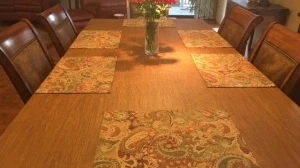
Looking for a simple way to keep your dining table looking good for years? Most of us don't think about table damage until we see it.
A white ring from a hot dish, a scratch from homework, a dull patch where a coffee mug sat every morning. By then, the damage is already done.
At Heartland Table Pads™, we make custom table protection products, and we hear the same story all the time. People spend good money on a table and then use it every day for meals, work, crafts and holidays. That daily use adds up. This is where table protector pads make a real difference.
What Table Protector Pads Actually Do
A table protector pad is a layer that sits between your table and everything you put on it. It takes the hit so your table doesn't have to. Depending on the pad, it can help guard against:
- Heat marks from hot plates, pots and serving dishes
- Spills from drinks, sauces and school projects
- Scratches from cutlery, laptops, toys and jewelry
- Dents from writing, chopping or heavy centerpieces
It also keeps plates and dishes from sliding around, which is a small thing you notice quickly once you have it.
Why Fit Matters More Than People Think
A pad that is too small leaves the edges open. A pad that is too big hangs off and looks messy. That's why we lean toward custom-fit pads. When a pad is made for your exact table shape and size, the coverage is complete, and it looks like it belongs there.
If your table has leaves, a round shape or an oval top, measure carefully before you order. Measure the full length and width with the leaves in the way you use them most. Write the numbers down before you shop.
What to Look for Before You Buy
Not all pads suit every home. Here are a few things worth checking:
- Heat resistance. Ask how the pad handles hot dishes, and follow the maker's care notes.
- Thickness and feel. A thicker pad feels softer under your arms and hands. A thinner one is easier to store.
- Surface finish. Think about how easy it is to wipe clean after a messy meal.
- Storage. Some families put the pad away after dinner. Others leave it on all the time. Pick what fits your routine.
Simple Habits That Help Your Table Last
A good pad works best with a few easy habits. Wipe spills soon after they happen. Use trivets for very hot cookware even when a pad is in place. Lift dishes instead of dragging them across the top. And check under the pad now and then to make sure no moisture is trapped there.
These steps take almost no time, but they protect the finish and the wood over the long run.
Who Benefits Most
Families with young kids get the most obvious value, since tables turn into art desks, science labs and dinner tables in the same day. But the pads help just as much in homes where the table is a work-from-home desk, a hosting space or a family heirloom you want to keep in good shape.
If your table has sentimental value, a pad is a low-effort way to look after it. Whether you host big holiday dinners or just eat at home every night, table protector pads are a small addition that can save you from big repair bills and worn-out surfaces later.
Frequently Asked Questions
Do table protector pads work on all table types?
They can be made for wood, glass and other surfaces. Check the pad's care guidance for your specific table finish.
Can I put hot dishes directly on a pad?
It depends on the pad. Always follow the heat guidance from the maker, and use a trivet for very hot pots and pans.
How do I measure my table for a custom pad?
Measure the length and width of the tabletop at its widest points, and note the shape and corner style. If you use leaves, measure with them in.
How do I clean a table protector pad?
Most can be wiped with a soft, damp cloth. Follow the care steps that come with your pad.
Your table works hard every day, and a well-fitted pad helps it stay in good shape. To talk about sizes, shapes or options for your table, call us at 888-487-2377.


Comments
Login to Comment