IT Asset Management: How Can Companies Track Technology More Effectively?
28 Sep, 2026
19 Views 0 Like(s)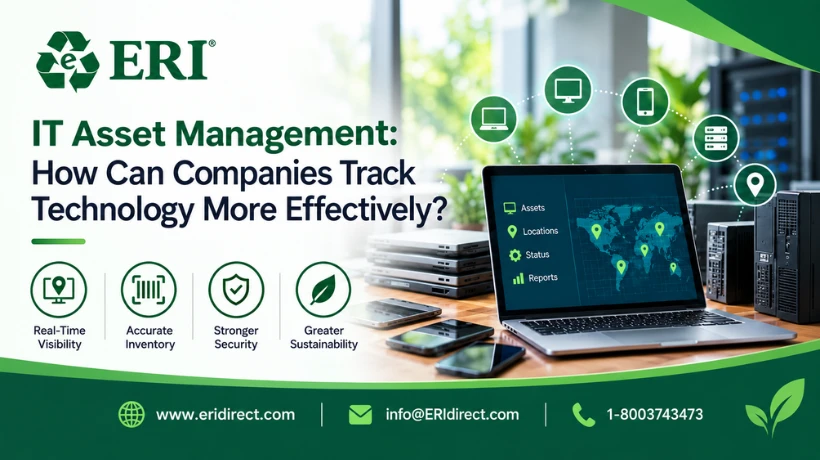
IT asset management ensures that firms are able to monitor their technology assets starting from acquisition until disposal, recycling, or reusing the technology.
Companies can shockingly easily lose sight of technology. Laptops are passed on, servers have an end of usable life, and older devices might be stored for a long time after they are no longer useful. IT asset management provides a systematic means for firms to track technology throughout its lifecycle and make smarter decisions about retiring equipment.
Tracking isn’t only about knowing how many devices a corporation has. It also means understanding where assets are, who uses them, what shape they are in and what should happen when they are no longer needed.
Start With a Complete Asset Inventory
A solid inventory is the foundation of technology management. If an organization isn’t keeping reliable records, it could not realize that some equipment is underused, some devices are missing, or that some technology is aged or still contains critical information.
An inventory can include computers, monitors, servers, networking equipment, mobile devices, storage media and other technologies used within the firm.
Record the Details That Matter
Asset records become more useful when they contain information beyond the device name. Depending on the organization's needs, records may include:
-
Serial or asset identification numbers
-
Device type and model
-
Assigned employee or department
-
Purchase or deployment date
-
Current location
-
Warranty or lease information
-
Condition and operational status
-
Retirement or disposition details
Keeping these records current helps IT teams understand what they have before making replacement, repair, redeployment, or retirement decisions.
Track Technology Throughout Its Lifecycle
Technology does not just go from purchase to disposal. There are various stages, with each level potentially having different management requirements.
A typical lifecycle may involve purchase, deployment, active usage, maintenance, reassignment, storage, retirement and final disposal. This improves visibility by treating these stages as a continuous process.
Make Retirement Part of the Process
Hardware retiring should not be an afterthought. When gadgets are taken out of active use, firms need to decide whether they may be redeployed, remarketed, recycled or otherwise processed.
That’s where IT asset disposition comes in. Instead of disposal just being taking equipment out of the workplace, ITAD may link asset retirement with logistics, data destruction, reuse, recycling and documentation.
Protect Data Before Equipment Leaves the Business
Old computers and storage media can still contain sensitive data even if they are no longer regularly used. Simply removing files or doing a simple reset may not give the level of protection a company requires.
Consequently, secure disposition must include data-bearing equipment prior to its transfer, recycling, resale, or destruction.
Use Appropriate Data Destruction Methods
Hard drive data destruction can entail physical destruction or other approved techniques to ensure that the information saved on the hard drive cannot be recovered. The proper approach varies by device, security needs, company regulations, and applicable standards.
A good approach should also include a record of what transpired with the item. The reference service model involves deletion of data on data-bearing devices and stresses chain of custody controls.
Organizations may also develop written protocols for the identification, securing, transferring, and processing of defunct equipment, instead of using informal disposal techniques.
Decide When Reuse Makes More Sense Than Recycling
Not all retired devices need to be destroyed. Some equipment may still be useful and may be able to be redeployed internally or prepped for selling.
A lifespan review can question whether an asset should be fixed, reallocated, re-marketed, or recycled. This strategy recovers value from equipment while minimizing unnecessary waste.
Recycle Electronics Responsibly
When equipment reaches the end of its useful life, firms should recycle electronics through the proper channels and not place electronic equipment in the typical waste streams.
Responsible recycling might include recovery of usable materials, environmental and regulatory concerns. Electronics recycling is a procedure where commodities and materials are recovered from retired gadgets, according to the reference source.
What Should Companies Look for in ITAD Services?
Organizations evaluating itad services should look beyond basic equipment pickup. The right process should align with the company's security, operational, environmental, and reporting requirements.
Important questions include:
-
How are assets identified and tracked?
-
How is data-bearing equipment handled?
-
What documentation is provided?
-
Can assets be processed onsite or through logistics services?
-
Can reusable equipment be remarketed or redeployed?
-
How is electronic waste processed?
-
What certifications or compliance controls apply?
The reference provider offers IT asset disposition, data destruction, recycling, remarketing, redeployment, and lease-return services, showing how these activities can be combined within one lifecycle program.
FAQs
Why is IT asset tracking important?
It helps organizations understand what technology they own, where it is located, who is using it, and what should happen when it reaches retirement.
Is deleting files enough before recycling a computer?
Not necessarily. Organizations handling sensitive information should use an appropriate data destruction process based on the device and their security requirements.
Can old IT equipment still have value?
Yes. Some retired equipment may be suitable for redeployment or remarketing rather than immediate recycling, depending on its condition, age, market value, and data security requirements.
Conclusion
Effective IT asset management is more than just keeping a list of equipment. Companies need a vision across procurement, deployment, active usage, retirement, data destruction, reuse and recycling. Having a structured approach can help make technology easier to track and lessen security and environmental risks. With IT asset disposition defined and the right ITAD services in place, the retirement process becomes a regulated element of the IT lifecycle, rather than an unknown last step.
Comments
Login to Comment