Steel Warehouse Building: The Smart Choice for Modern Industrial Infrastructure
23 Feb, 2026
5161 Views 0 Like(s)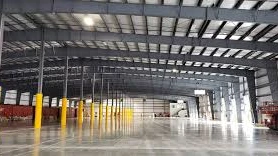
In an industrial and commercial environment, businesses need storage and operational spaces that are durable, cost-effective, and quick to construct. A steel warehouse building has emerged as one of the most reliable solutions for industries such as logistics, manufacturing, agriculture, retail distribution, and e-commerce.
In an industrial and commercial environment, businesses need storage and operational spaces that are durable, cost-effective, and quick to construct. A steel warehouse building has emerged as one of the most reliable solutions for industries such as logistics, manufacturing, agriculture, retail distribution, and e-commerce. With advancements in engineering and fabrication technology, steel structures now offer unmatched flexibility and long-term value.
In this guest post, we’ll explore why steel warehouse buildings are gaining popularity, their benefits, applications, and key factors to consider before construction.
What Is a Steel Warehouse Building?
A steel warehouse building is a structure primarily made from high-quality structural steel components, including columns, beams, roof panels, and wall cladding. These buildings are typically designed as pre-engineered or custom-engineered systems that allow for quick assembly and scalability.
Unlike traditional brick-and-mortar construction, steel warehouses are prefabricated in controlled factory environments and then assembled on-site. This process ensures higher precision, reduced waste, and faster completion times.
Key Benefits of Steel Warehouse Buildings
1. Exceptional Strength and Durability
Steel is one of the strongest construction materials available. It offers superior resistance to harsh weather conditions, including heavy rain, high winds, and even seismic activity when properly engineered. Steel structures are also resistant to pests such as termites, which commonly affect wooden buildings.
With proper maintenance, a steel warehouse can last for decades without significant structural issues.
2. Cost-Effective Construction
One of the main reasons businesses choose steel warehouse buildings is cost efficiency. Steel components are manufactured with precision, minimizing material waste. Additionally, the faster construction timeline reduces labor costs and project delays.
Since steel is lightweight compared to traditional materials, foundation costs may also be reduced, depending on the soil and design requirements.
3. Faster Project Completion
Time is business money. Steel warehouse buildings can be erected much faster than conventional structures. Pre-engineered components arrive ready for assembly, significantly reducing on-site fabrication work.
For businesses expanding operations or entering new markets, this quick turnaround time can provide a competitive advantage.
4. Design Flexibility and Customization
Modern steel warehouses offer a high degree of customization. You can design:
-
Clear-span interiors without internal columns
-
High ceilings for vertical storage systems
-
Mezzanine floors
-
Wide entry doors for trucks and heavy machinery
-
Ventilation and insulation systems
Whether you need a small storage unit or a massive distribution center, steel structures can be tailored to your operational requirements.
5. Low Maintenance Requirements
Steel does not warp, crack, shrink, or split like wood. It is also less prone to corrosion when treated with protective coatings or galvanization. As a result, maintenance costs are generally lower over the building’s lifetime.
Routine inspections and basic upkeep are usually sufficient to keep the structure in optimal condition.
6. Sustainability and Environmental Benefits
Steel is one of the most recyclable construction materials in the world. Many steel warehouse buildings are constructed using recycled steel, reducing environmental impact. Additionally, steel structures can be designed to accommodate solar panels, rainwater harvesting systems, and energy-efficient insulation.
For businesses focused on sustainability goals, steel warehouses align well with green building practices.
Common Applications of Steel Warehouse Buildings
Steel warehouse buildings are widely used across multiple industries:
1. Logistics and Distribution Centers
With the rapid growth of e-commerce, logistics companies require large, open spaces for storage and sorting operations. Steel structures provide the clear-span layouts ideal for racking systems and automated equipment.
2. Manufacturing Units
Factories often require wide interiors to accommodate machinery and production lines. Steel warehouse buildings can support heavy loads and overhead cranes, making them suitable for manufacturing environments.
3. Agricultural Storage
Farmers use steel warehouses to store crops, equipment, and livestock feed. The durability and weather resistance of steel help protect valuable agricultural products.
4. Retail and Wholesale Storage
Retail chains and wholesalers rely on warehouses to manage inventory efficiently. Steel buildings provide scalable storage solutions that can grow with the business.
Key Considerations Before Building a Steel Warehouse
While steel warehouse buildings offer numerous benefits, proper planning is essential to ensure a successful project.
1. Location and Site Preparation
Soil conditions, drainage, and accessibility should be evaluated before construction. A proper foundation is crucial for structural stability.
2. Building Size and Layout
Carefully assess your current and future storage needs. Consider the ceiling height, floor load capacity, and potential for expansion.
3. Insulation and Ventilation
Depending on the stored materials, temperature control may be necessary. Insulated panels and proper ventilation systems help maintain optimal internal conditions.
4. Compliance with Local Regulations
Every region has building codes and zoning regulations. Ensure that your steel warehouse design complies with local laws and safety standards.
5. Choosing the Right Manufacturer
Partnering with an experienced steel building manufacturer is critical. Look for companies that offer engineering support, high-quality materials, and comprehensive after-sales service.
Pre-Engineered vs. Custom Steel Warehouse Buildings
There are generally two types of steel warehouse solutions:
Pre-Engineered Buildings (PEB):
These are standardized designs optimized for cost and speed. They are ideal for businesses seeking quick installation with minimal customization.
Custom-Engineered Buildings:
These are designed from scratch to meet specific operational needs. While slightly more expensive, they offer maximum flexibility in layout and features.
Choosing between the two depends on budget, timeline, and functional requirements.
Future Trends in Steel Warehouse Construction
The future of steel warehouse buildings is driven by innovation and technology. Some emerging trends include:
-
Smart warehouse integration with automation systems
-
Energy-efficient insulated panels
-
Solar-ready roofing systems
-
Advanced corrosion-resistant coatings
-
Modular expansion designs
As industries continue to modernize, steel warehouses will remain a cornerstone of industrial infrastructure.
Conclusion
A steel warehouse building is a smart, durable, and cost-effective solution for businesses seeking reliable storage and operational space. From logistics and manufacturing to agriculture and retail, steel structures offer unmatched strength, flexibility, and long-term value.
With faster construction times, lower maintenance costs, and sustainable benefits, steel warehouse buildings are an investment that supports both present needs and future growth. By carefully planning your project and choosing the right partner, you can ensure a warehouse solution that enhances efficiency and drives business success.



Comments
Login to Comment