Sox Business Processes: A Complete Guide for Indian Businesses
29 Jun, 2026
1183 Views 0 Like(s)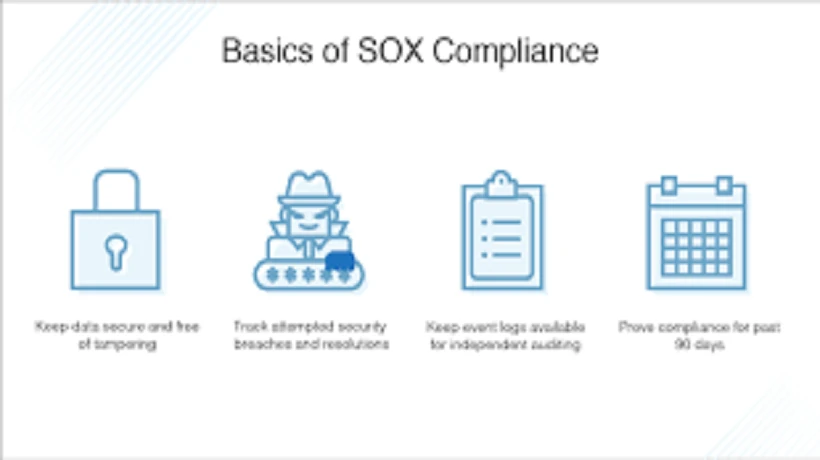
Understanding how Sox Business Processes work can help businesses reduce compliance gaps, improve operational visibility, and create a stronger foundation for growth.
Introduction
As businesses grow, financial accountability and internal control become increasingly important. Whether an organization is preparing for expansion, attracting investors, or managing operational risk, having structured governance processes can improve trust and efficiency. This is where Sox Business Processes become highly relevant.
SOX, commonly referring to the Sarbanes-Oxley framework, focuses on strengthening internal controls, financial reporting accuracy, and accountability across business operations. Although originally introduced in the United States for public companies, many Indian businesses, startups, and service providers adopt SOX-based practices to improve governance and meet global business expectations.
Understanding how Sox Business Processes work can help businesses reduce compliance gaps, improve operational visibility, and create a stronger foundation for growth.
What Are Sox Business Processes?
Sox Business Processes refer to structured internal procedures designed to ensure accurate financial reporting, risk management, and regulatory compliance.
These processes establish controls over financial transactions, approvals, reporting workflows, documentation, and audit readiness.
The primary objective is to ensure:
-
Accuracy of financial records
-
Reduced operational and financial risk
-
Transparent reporting systems
-
Better accountability across departments
-
Consistent business governance
Businesses implementing SOX-oriented practices often develop repeatable and documented workflows to maintain reliability.
Why Sox Business Processes Matter for Indian Businesses
Indian companies increasingly work with international clients, investors, and multinational partners. Strong compliance frameworks can improve credibility and operational discipline.
Effective Sox Business Processes help organizations:
-
Strengthen internal financial controls
-
Reduce the risk of reporting errors
-
Improve audit preparedness
-
Support investor confidence
-
Enhance decision-making through reliable data
-
Build standardized approval systems
For startups and MSMEs, these processes also create operational maturity that supports future expansion.
Key Components of Sox Business Processes
Successful implementation typically includes several interconnected business controls.
1. Internal Control Framework
Internal controls define how financial and operational activities are approved, recorded, and reviewed.
Examples include:
-
Authorization procedures
-
Segregation of duties
-
Expense approvals
-
Transaction monitoring
Clear controls reduce dependency on manual oversight.
2. Financial Reporting Controls
Financial reporting controls ensure that accounting records accurately reflect business performance.
Areas commonly monitored include:
-
Revenue recognition
-
Accounts payable
-
Accounts receivable
-
Payroll processing
-
Financial closing procedures
Consistent reporting reduces discrepancies and supports informed decisions.
3. Documentation and Evidence Management
Documented processes are essential for demonstrating compliance.
Businesses should maintain:
-
Process manuals
-
Approval records
-
Audit logs
-
Supporting financial documents
Proper documentation creates traceability and simplifies reviews.
4. Risk Assessment Procedures
Risk assessment identifies operational and financial vulnerabilities before they create larger issues.
Organizations evaluate:
-
Process weaknesses
-
Fraud exposure
-
Control failures
-
Technology-related risks
Periodic assessments support continuous improvement.
5. Testing and Monitoring Controls
Control testing verifies whether policies operate as intended.
Typical activities include:
-
Internal audits
-
Exception reporting
-
Corrective action reviews
-
Compliance tracking
Monitoring ensures controls remain effective over time.
Steps to Implement Sox Business Processes
Businesses planning implementation can follow a structured approach:
Assess Existing Operations
Review current financial and operational workflows.
Identify Critical Risks
Prioritize areas with higher reporting and compliance impact.
Design Internal Controls
Create approval workflows and monitoring mechanisms.
Standardize Documentation
Maintain consistent records across departments.
Conduct Regular Reviews
Evaluate process effectiveness and update controls when necessary.
Implementation should align with company size, complexity, and industry requirements.
Benefits and Features of Structured Compliance Processes
While Sox Business Processes focus on internal governance, businesses adopting structured compliance frameworks may experience:
-
Improved financial accuracy
-
Better audit readiness
-
Increased operational transparency
-
Reduced compliance risks
-
Stronger stakeholder confidence
-
Enhanced accountability across teams
-
Scalable business operations
These outcomes can support both early-stage businesses and established enterprises.
Common Challenges Businesses Should Prepare For
Organizations often encounter implementation challenges such as:
-
Resistance to process changes
-
Inconsistent documentation practices
-
Limited compliance expertise
-
Manual approval bottlenecks
-
Lack of technology integration
Addressing these early improves adoption and long-term effectiveness.
Conclusion
Sox Business Processes are more than compliance activities—they create disciplined operations, reliable reporting, and stronger business governance. For Indian startups, MSMEs, and growing enterprises, implementing structured controls can improve financial visibility and strengthen business credibility.
Businesses do not need to adopt complex systems immediately. Starting with documented workflows, internal controls, and periodic reviews can create meaningful long-term improvements.
Call to Action
If your business is planning expansion, seeking investor confidence, or strengthening internal governance, now is the right time to evaluate your existing processes. Build a structured compliance approach and establish Sox Business Processes that support sustainable growth and long-term operational success.


Comments
Login to Comment