Solving Layout Chaos With Smart Pavilion Stand Design for Multiple Exhibitors
28 Jul, 2026
815 Views 0 Like(s)
Exhibiting in a pavilion? See how thoughtful pavilion exhibition stand design solves crowded layouts and helps your brand stand out from neighbors.
If you've ever exhibited inside a shared pavilion, you know the challenge isn't just showing up with a great product, it's standing out inside a space you don't fully control. Pavilions bring together multiple exhibitors under one themed structure, often representing a country, industry association, or group of brands. While this format offers cost savings and collective visibility, it also creates a very real risk: layout chaos. Cramped walkways, overlapping branding, and visitors who can't tell where one exhibitor ends and the next begins.
For exhibitors, this is more than a cosmetic issue. Poor layout planning directly affects footfall, lead quality, and how seriously your brand is perceived on the show floor. The good news is that smart pavilion stand design can solve most of these problems before they ever become a headache during the live event.
Why Pavilion Layouts Get Chaotic
Pavilions are inherently complex because they're shared environments. Unlike a standalone booth where you control every inch, a pavilion has to accommodate several exhibitors, a shared entrance, common circulation paths, and often a central theme or branding element that ties everything together.
Common issues exhibitors face inside pavilions include:
· Narrow or confusing walkways that discourage visitors from exploring further sections
· Booths that blend into each other due to similar sizing or lack of visual separation
· Uneven visibility, where exhibitors near the entrance get most of the traffic while others are overlooked
· Storage and staff areas eating into already limited display space
· Sightline blockages caused by poorly placed structures, banners, or furniture
None of these problems are unavoidable. They're almost always the result of layout planning that didn't account for how visitors actually move and make decisions on a show floor.
What Smart Pavilion Stand Design Actually Looks Like
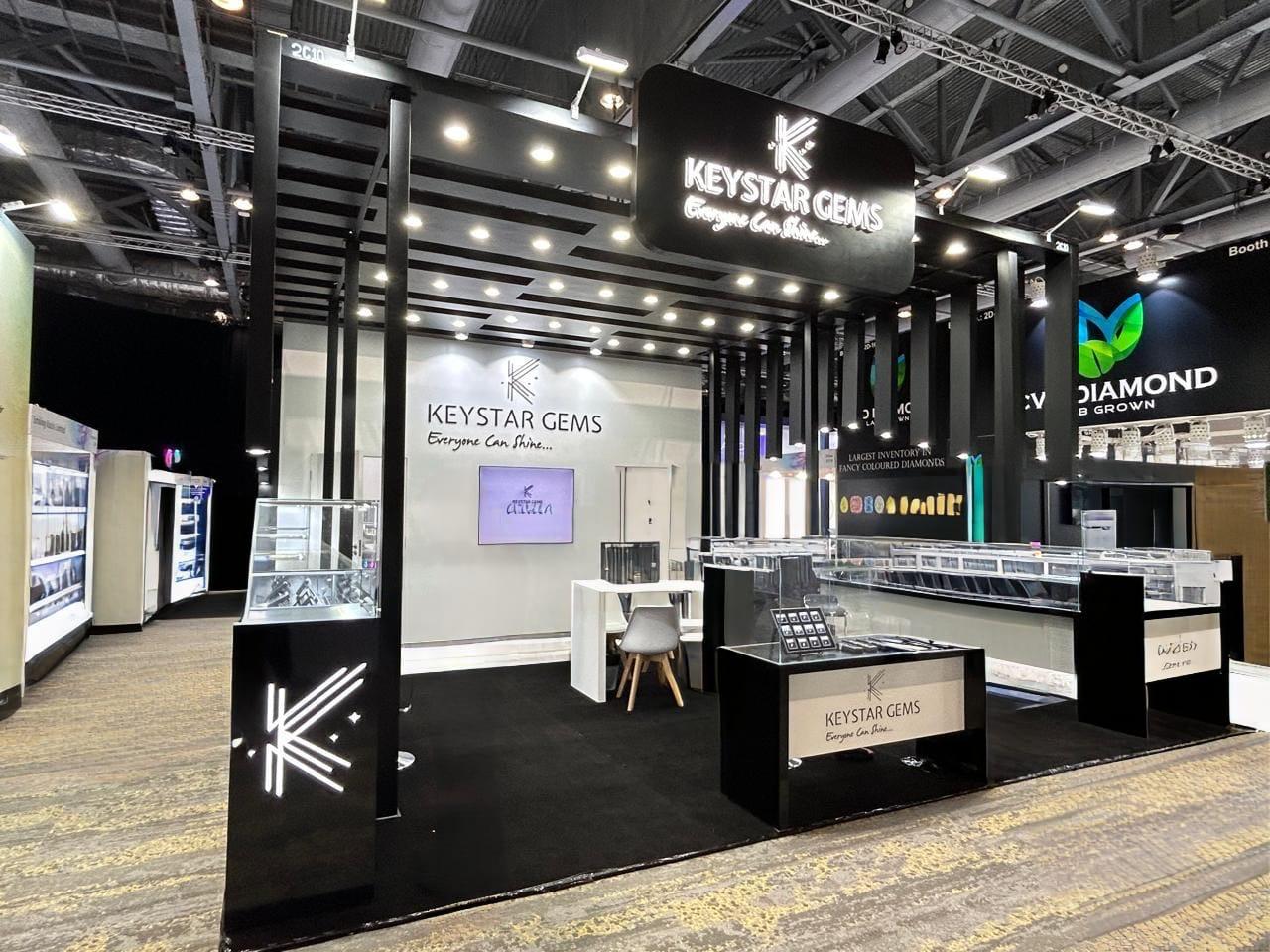
Good design in a multi-exhibitor pavilion isn't about making your section the loudest, it's about making it the clearest. A well-planned pavilion exhibition stand gives visitors an intuitive path to follow, a clear sense of where your brand's space begins, and enough visual breathing room to actually engage with what you're showing.
A few principles separate a well-designed pavilion section from a chaotic one:
1. Defined boundaries without solid walls. Rather than boxing exhibitors in with heavy partitions, smart layouts use height variation, flooring changes, lighting zones, or low-profile dividers to signal where one exhibitor's space ends and another begins, without blocking sightlines across the pavilion.
2. Consistent traffic flow. Aisles should guide visitors naturally past every exhibitor, not funnel them toward just the first few booths near the entrance. Thoughtful spacing and directional signage help distribute footfall more evenly across the entire pavilion.
3. Balanced visual hierarchy. Every exhibitor wants visibility, but a pavilion works best when branding is bold without competing directly with neighboring stands. This usually means agreeing on shared design guidelines, consistent header heights, signage placement, and lighting standards, so no single booth visually overwhelms the rest.
4. Functional zoning. Reception areas, product displays, demo zones, and any storage or staff-only space need to be planned deliberately. When these zones are mapped out in advance, exhibitors avoid the last-minute scramble of squeezing storage boxes behind a display table.
Why This Matters More When You're One of Many Exhibitors
When you're sharing a pavilion with dozens of other exhibitors, visitors are moving faster and processing more information per minute than they would in a standalone hall. If your section isn't immediately easy to read and navigate, you risk losing visitors to the next booth within seconds.
Pavilion exhibition stands that are designed with clear boundaries, logical flow, and strong but proportionate branding consistently perform better in terms of dwell time and visitor engagement, simply because people can understand what they're looking at without effort. In a crowded pavilion, clarity is a competitive advantage.
The Role of an Experienced Pavilion Stand Builder
Design intent is only half the equation. Execution is where layout chaos either gets resolved or gets worse. This is why choosing the right pavilion exhibition stand builder matters just as much as the design itself.
An experienced builder brings practical, on-ground expertise that design plans alone can't guarantee, including:
· Coordinating with pavilion organizers to ensure your section fits within shared structural and electrical guidelines
· Managing space constraints so your stand doesn't encroach on neighboring exhibitors or shared walkways
· Handling material choices that keep your section visually distinct while staying compliant with pavilion-wide branding rules
· Ensuring quick, accurate installation and dismantling within tight shared-pavilion timelines
· Solving on-site layout issues in real time, since shared pavilions often involve last-minute adjustments as neighboring stands are built
A builder who has worked inside multi-exhibitor pavilions before will already understand these dynamics, which significantly reduces the back-and-forth and last-minute stress that often comes with shared exhibition spaces.
Practical Tips for Exhibitors Planning a Pavilion Presence
If you're preparing to exhibit inside a pavilion, a few early decisions can save you from layout headaches later:
· Request your section's exact dimensions and neighboring booth placements early, so your design team can plan around real constraints rather than assumptions.
· Keep branding elements proportionate to your allotted space, oversized signage often gets restricted by pavilion organizers anyway.
· Plan your storage needs in advance so they don't eat into your display area at the last minute.
· Communicate with the pavilion organizer and builder together, so design, structural, and compliance requirements are aligned from day one.
· Prioritize a clear focal point, one strong visual anchor is more effective than several competing elements crammed into a small footprint.

Final Thoughts
Layout chaos inside a shared pavilion isn't inevitable, it's usually a planning gap. With deliberate pavilion stand design, exhibitors can carve out a space that feels distinct, easy to navigate, and genuinely engaging, even within a crowded multi-exhibitor environment. And by partnering with an experienced pavilion exhibition stand builder, exhibitors can turn that design into a smooth, compliant, and well-executed reality on the show floor.
For exhibitors weighing the cost savings of a shared pavilion against the risk of getting lost in the crowd, the answer isn't to avoid pavilions altogether, it's to invest in smarter design and the right execution partner from the start.

Comments
Login to Comment