Smart Kitchen Bins and Storage Ideas for a Small, Busy Kitchen
18 Aug, 2026
582 Views 0 Like(s)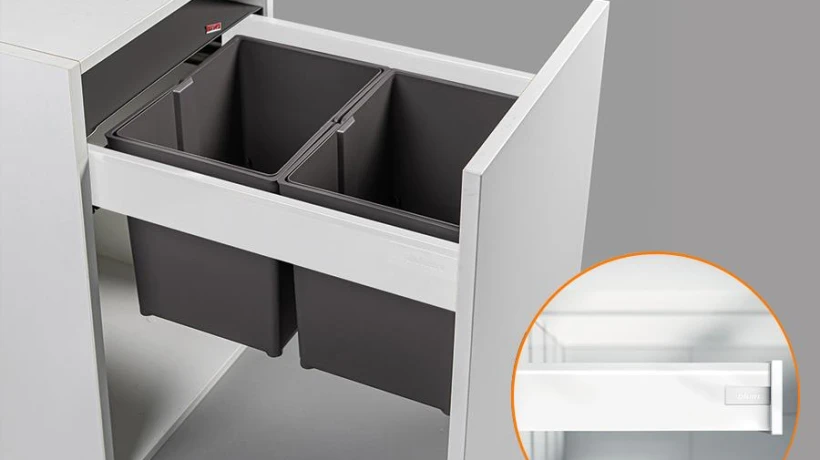
A busy kitchen can feel far smaller than it really is. Benchtops fill up, cupboards overflow with cookware, and everyday essentials compete for the same limited space. When more than one person is cooking or cleaning at once, poor organisation makes the crowding even more obvious.
The good news is that a kitchen doesn't need to be extended or refitted to work better. Most of the biggest improvements come from using the space you already have more intelligently — from reorganising cupboards to choosing the right kitchen bins and drawer systems. Here are practical ways to get more from a compact kitchen without sacrificing convenience.
Start With How the Kitchen Is Actually Used
Before buying anything, understand where the current layout creates friction. A kitchen can look tidy while still being inefficient — frequently used cookware tucked in an awkward cupboard, or valuable drawer space taken up by items you rarely touch.
Watch what happens during a normal day and ask:
-
Which areas get cluttered first?
-
Are everyday items hard to reach?
-
Do people walk back and forth repeatedly while cooking?
-
Is rubbish storage taking up unnecessary floor space?
-
Are cleaning products competing with food for room?
Spotting these small frustrations tells you where changes will have the greatest impact.
Create Zones for Different Tasks
Dividing a compact kitchen into functional zones makes it far easier to use. Rather than storing similar-looking items together just because they fit the same cupboard, store them where they're actually needed.
Keep knives, chopping boards and prep utensils near your main work surface. Store pots, pans and seasonings close to the cooktop. Group dishwashing products, cloths and waste storage around the sink. Give pantry goods a clearly defined home instead of scattering them across unrelated cupboards. Zoning reduces unnecessary movement and makes it easier to put things back where they belong.
Make Full Use of Vertical Cupboard Space
Unused vertical space is one of the most common problems in kitchen cupboards. Tall shelves often leave large gaps above shorter items.
Shelf inserts, stackable organisers and adjustable shelving divide these areas into more useful levels. Instead of stacking plates and leaving empty air above them, add a shelf to create a separate level for bowls or mugs. The same trick works for pantry products, food containers, small appliances and cleaning supplies. The goal is to use the full internal volume of the cupboard, not just its floor.
Use the Space Beneath the Sink More Effectively
The cupboard below the sink is one of the hardest to organise. Plumbing, the sink bowl and fittings create awkward shapes, so items usually end up pushed randomly around the pipes until the space becomes unusable.
Purpose-designed under sink bins are one of the best ways to reclaim this area, keeping waste tucked out of sight while still using the cabinet efficiently. Because under sink bins have to work around plumbing, careful measuring matters more here than anywhere else. Before choosing anything, check the internal width, depth and height, the position of the pipes, the sink bowl depth, door hinges and any water filtration equipment. Always measure the usable internal area rather than the external cabinet size.
Keep Benchtops as Clear as Possible
Benchtop space is precious in a small kitchen. It's convenient to leave appliances and utensils on display, but too many reduce your usable prep area.
Decide which items genuinely earn a permanent spot. A kettle used every morning probably does; a specialty appliance used a few times a year does not. Move occasional-use items — large serving bowls, baking equipment, spare bottles, duplicate utensils — into cupboards or higher storage. A clearer bench makes even a modest kitchen feel noticeably more spacious.
Free Up the Floor With Integrated Bins
Freestanding items eat into floor area and interrupt movement. A large standalone rubbish bin is a common culprit — practical, but in a narrow kitchen it can block walkways or occupy space that could otherwise stay open.
Building waste storage into cabinetry frees up that floor area and reduces the number of separate objects on show, which instantly makes the room feel more organised.
Consider Pull-Out Storage for Deep Cabinets
Deep cabinets hold a lot, but items at the back are frustrating to reach. Pull-out systems bring stored items forward to you instead of forcing you to reach into the cabinet — a concept that works brilliantly for pantry goods, cookware and waste.
A well-chosen pull out bin keeps rubbish and recycling hidden inside the cabinetry and slides forward only when you need it. When selecting a pull out bin, check both its capacity and its installation requirements — a larger unit isn't automatically better if it blocks other items from being stored nearby.
Use Drawers for More Than Cutlery
Drawers are among the most accessible storage in any kitchen, yet they're quick to become chaotic. Drawer organisers and dividers create dedicated homes for individual categories — everyday cutlery, cooking utensils, food wrap, tea towels and small containers.
Deep drawers also work well for pots, pans and plates. Keeping each category separated makes items easier to find and stops the drawer turning into a miscellaneous dumping ground.
Store Everyday Items Between Waist and Eye Level
Reserve your most convenient cupboards and drawers for the things you use daily — plates, glasses, cooking utensils, and tea and coffee supplies. Push specialty cookware, large serving dishes and entertaining equipment to higher or harder-to-reach shelves. The kitchen holds the same amount, but prioritising the easy-access zones makes the whole room simpler to use.
Remove Duplicates and Measure Before You Buy
Organisers only help so much if the kitchen holds more than it can reasonably store. Review cupboards periodically for duplicate utensils, damaged containers and appliances you never use. Removing a few bulky objects can free an entire shelf.
When you do buy an organiser or integrated system, measure first. Cabinets that look identical can have very different usable dimensions once hinges, runners and internal fittings are accounted for. Record the internal width, height and depth, the door opening, and any obstructions — and measure twice before ordering.
Final Thoughts
Limited space doesn't have to mean a cramped, cluttered kitchen. By looking closely at how your cupboards, drawers, benchtops and hidden areas are used, you can usually recover valuable space without changing the room's footprint.
Start with your everyday frustrations rather than buying products at random. Create practical zones, keep high-use items within reach, use vertical space, clear the benchtops, and put awkward areas — like the space under the sink or the back of deep cabinets — to work with the right bins and organisers. When every item has a logical place, even a small kitchen becomes a genuinely comfortable place to work.


Comments
Login to Comment