Smart Furniture Choices for Flexible and Functional Dining Spaces
27 Oct, 2026
7 Views 0 Like(s)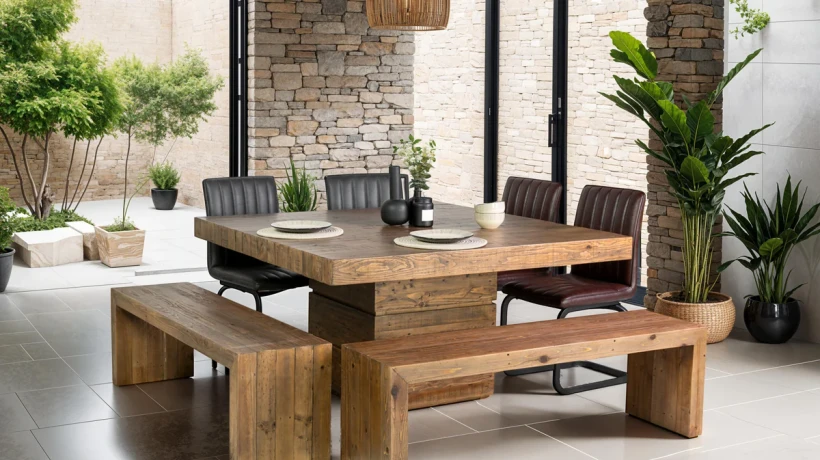
Modern households often need furniture that adapts to changing circumstances. A compact dining area might need to accommodate two people during the week and a larger group during celebrations. In such situations, flexible furniture can help homeowners make better use of their available space without compromising on style.
A well-designed dining area can serve many purposes beyond everyday meals. It can become a place for family conversations, weekend breakfasts, working from home and entertaining friends. However, creating a dining space that accommodates these different activities requires careful furniture selection. The right combination of table size, seating, materials and layout can improve both comfort and functionality.
Modern households often need furniture that adapts to changing circumstances. A compact dining area might need to accommodate two people during the week and a larger group during celebrations. In such situations, flexible furniture can help homeowners make better use of their available space without compromising on style.
Understanding the Benefits of Flexible Dining Furniture
Dining furniture should reflect the way a household lives. Before purchasing a table, consider how frequently it will be used, how many people typically sit around it and whether additional seating is occasionally required.
A large, fixed dining table may be appropriate for a spacious dining room, but it can dominate a smaller kitchen or apartment. Conversely, a compact table might be convenient for everyday meals but insufficient when guests arrive.
Flexible furniture offers a practical alternative. Designs that can be extended, rearranged or combined with different seating options allow homeowners to adapt their dining areas to different occasions.
This approach is particularly useful in open-plan homes, where the dining area may share space with the kitchen or living room. Furniture that suits several purposes can help create a more organised environment.
Why Consider an Extending Table?
An extending table provides the convenience of a smaller everyday surface with the option of additional space when needed. Depending on the design, extensions may be stored within the table or added separately.
An extending table can be a useful choice for households that occasionally host additional guests but do not want a permanently oversized dining surface.
When selecting a model, consider both its compact and extended dimensions. Measure the dining area carefully and account for the clearance required to pull out chairs and walk around the table.
The extension mechanism also deserves attention. Some designs use central leaves, while others feature sliding or folding sections. Choose a mechanism that is straightforward to operate and appropriate for how frequently the table will be extended.
Stability is another important factor. The tabletop should remain secure in both configurations, with adequate support across the extended surface.
Before buying, review the product specifications to establish the recommended seating capacity. The number of people who can sit comfortably will depend on the table's dimensions, shape and the size of the chairs used.
Choose Seating That Complements the Table
The dining table is only one component of a functional dining area. Chairs influence comfort, accessibility and the overall appearance of the room.
When comparing a dining table and chairs, consider whether the pieces are proportionate to one another. The seat height should allow diners to sit comfortably, with sufficient clearance between their legs and the underside of the tabletop.
Chair width is equally important. Large upholstered chairs may offer additional comfort but require more space than compact designs. If the table is intended to accommodate additional guests when extended, make sure suitable seating is available for the larger configuration.
A coordinated dining set can simplify the selection process by bringing complementary pieces together. Alternatively, mixing different chair styles can create a more individual look, provided the proportions and finishes work well together.
Select Materials for Everyday Use
Dining furniture experiences regular wear, so materials should suit the household's needs.
Wood remains a popular choice because it can complement traditional, rustic and contemporary interiors. Different timber species, finishes and engineered materials provide a range of appearances and price points.
Metal components can introduce a modern industrial feel, while glass surfaces may help a room appear visually lighter. Upholstered seating adds softness, although the fabric's cleaning requirements should be considered before purchase.
Families with children may prefer finishes that are easy to clean and surfaces that tolerate everyday use. Households that entertain frequently may prioritise robust construction and seating that remains comfortable during longer meals.
Always review the manufacturer's material descriptions and care recommendations. Solid wood, veneer and other wood-based constructions have different characteristics, and understanding those differences helps buyers make informed decisions.
Make the Most of a Compact Dining Area
Small dining areas benefit from careful planning. Start by measuring the room and identifying the main walking routes. Ensure that furniture does not obstruct doorways, kitchen access or other frequently used areas.
An extending table can help maintain a compact everyday layout, provided the room has enough space for its larger configuration when required.
Consider chairs that can be moved easily or stored efficiently. Depending on the table design, benches may also provide a useful alternative to individual chairs along one side.
Keep surrounding furniture proportionate to the available space. A large sideboard may provide useful storage, but it could make a narrow dining room feel crowded. Wall-mounted shelves or compact cabinets can sometimes provide similar functionality with a smaller footprint.
Good lighting also contributes to the room's usability. A pendant light above the table can define the dining area, while additional lighting can support other activities.
Coordinate Furniture with Your Interior
Dining furniture should complement the surrounding décor without making the room feel overly matched.
Natural wood finishes can introduce warmth, while neutral upholstery creates a versatile foundation. Contrasting chair colours, textured cushions or distinctive lighting can add personality.
Consider the relationship between the table, flooring, wall colours and nearby kitchen units. Repeating a small number of materials or tones throughout the space can create visual continuity.
Accessories should enhance the room rather than interfere with everyday use. A simple centrepiece or small vase can provide decoration without reducing the usable tabletop area.
Maintain Your Dining Furniture
Regular care helps preserve the appearance and functionality of dining furniture. Follow the manufacturer's cleaning instructions and avoid products that may damage the finish.
Use coasters and suitable protective mats to minimise the risk of stains, scratches and heat marks. Clean spills promptly and check extension mechanisms periodically for obstructions or signs that maintenance is required.
Where assembly is necessary, ensure that the table and chairs are installed according to the supplied instructions. Loose fittings should be addressed in accordance with the manufacturer's guidance.
Conclusion
Functional dining spaces combine attractive design with practical furniture choices. An extending table provides flexibility for changing seating requirements, while well-matched chairs help ensure everyday comfort.
By considering room dimensions, construction materials, seating capacity and maintenance needs, homeowners can create a dining area that works for ordinary meals as well as special occasions.
The most effective dining furniture is furniture that adapts to daily life, makes efficient use of space and creates a welcoming setting for people to gather.



Comments
Login to Comment