How to Choose the Right Treatment for Warts Removal
27 Oct, 2026
6 Views 0 Like(s)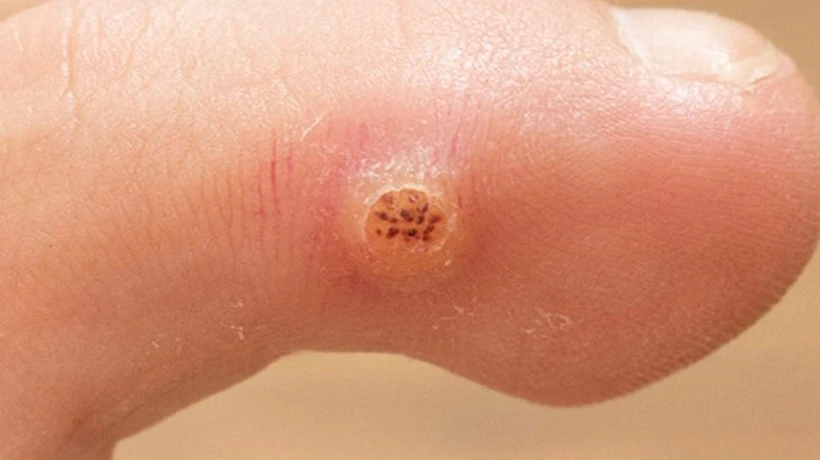
Learn how to choose suitable wart removal treatments, compare modern options, and understand professional care for healthier-looking skin.
Warts are common skin growths that can appear on the hands, feet, face, and other parts of the body. Although they are usually harmless, they may cause discomfort, irritation, or concerns about appearance. Choosing the right treatment depends on several factors, including the type of wart, its location, its size, and how long it has been present.
For people considering Warts removal in Islamabad, understanding the available options can make it easier to discuss treatment with a qualified healthcare professional. A personalised approach helps ensure that the chosen method is appropriate for the skin concern and that potential benefits and risks are clearly understood.
Understand the Type of Wart
Before selecting a treatment, it is important to identify the type of wart. Warts are generally caused by certain types of human papillomavirus (HPV), which affect the outer layer of the skin.
Common warts often appear on the fingers and hands and may have a rough surface. Plantar warts develop on the soles of the feet and can cause discomfort when walking. Flat warts are typically smaller and smoother, while filiform warts may develop around the nose, mouth, or other facial areas.
Not every raised or rough skin growth is a wart. Moles, skin tags, and other skin conditions can look similar. A healthcare professional should assess uncertain growths, particularly those that change in size or colour, bleed, or become painful.
Consider the Wart's Location and Size
The location of a wart plays an important role in treatment selection. Warts on the soles of the feet may need a different approach from those on the hands or face. Skin thickness, sensitivity, and the risk of scarring can all affect the decision.
Larger, thicker, or persistent warts may require repeated treatment or a different method from smaller growths. Warts near the nails can also be more challenging to manage because treatment must protect the surrounding tissue.
During a consultation for Warts removal in Islamabad, explain whether the wart causes pain, interferes with daily activities, or becomes irritated by footwear or clothing. These details help your provider assess the most suitable option.
Compare Available Wart Removal Treatments
Several treatments may be considered depending on the wart and the patient's medical history.
Cryotherapy
Cryotherapy uses a freezing agent, commonly liquid nitrogen, to damage wart tissue. The treated area may become red, tender, or blistered before healing. Some warts require multiple sessions, so treatment may take time.
Cryotherapy can be useful for certain common warts, but a clinician must consider the location and the possibility of pigment changes or scarring.
Topical Treatments
Topical products containing salicylic acid can gradually break down thickened wart tissue. They may be appropriate for selected warts on the hands and feet, although consistent application is often required.
These products can irritate healthy skin when used incorrectly. People with diabetes, poor circulation, or reduced sensation should seek medical advice before treating foot warts. Avoid using ordinary wart-removal products on the face or genital area without professional guidance.
Electrosurgery and Curettage
Electrosurgery uses controlled electrical energy to destroy tissue, while curettage involves removing wart tissue with a specialised instrument. These methods may be considered for selected persistent warts.
Local anaesthesia may be used to reduce discomfort. Recovery can involve wound care, and possible risks include bleeding, infection, scarring, and pigmentation changes.
Laser Treatment
Laser treatment may be considered for certain resistant warts that have not responded to other methods. It is not required for every case and may have limitations, including cost and recovery time.
A qualified provider can explain whether laser treatment is appropriate and discuss possible side effects before proceeding.
Evaluate Your Medical History and Skin Sensitivity
Your overall health can influence which treatment is safest. Tell your provider about allergies, medications, previous skin reactions, diabetes, circulation problems, and any condition that may affect wound healing.
Skin sensitivity and a tendency to develop scars or pigmentation changes may also influence treatment decisions, especially for visible areas such as the face. Do not choose a method simply because it worked for someone else; individual responses can differ.
A consultation for Warts removal in Islamabad should include a discussion of your medical history, treatment goals, expected healing time, and possible complications.
Understand Costs, Sessions, and Recovery
Treatment costs can vary according to the technique used, the number of warts, their location, and the number of sessions required. A lower initial price does not necessarily mean that the complete treatment will cost less if repeat visits are needed.
Ask your provider for a clear explanation of the expected costs, follow-up arrangements, aftercare requirements, and the possibility of recurrence. You should also understand whether the procedure may cause temporary redness, blistering, tenderness, or a small wound.
Realistic expectations are important. Some warts resolve after treatment, while others may need additional care. No treatment guarantees that a wart will never return.
Choose a Qualified Healthcare Provider
Selecting a qualified dermatologist or appropriately trained healthcare professional is an important step. Look for someone who examines the growth before treatment, explains the available options, and discusses both benefits and risks.
A responsible provider should answer your questions clearly and avoid promising perfect results. They should also provide instructions for aftercare and explain when follow-up assessment may be needed.
When exploring Warts removal in Islamabad, prioritise appropriate diagnosis, professional standards, hygiene, and individualised care rather than choosing a procedure based only on advertising or price.
Follow Proper Aftercare
After treatment, follow the instructions provided by your clinician. Keep the area clean, protect it as advised, and avoid picking at blisters or scabs. Do not apply additional chemicals or creams unless your provider recommends them.
Wash your hands after touching a wart, avoid scratching the affected area, and do not share towels, nail clippers, or pumice stones used on affected skin. Contact a healthcare professional if you notice increasing pain, spreading redness, pus, fever, or other signs of infection.
Conclusion
Choosing the right wart removal treatment requires careful consideration of the wart's type, location, size, and treatment history. Options such as cryotherapy, topical medication, electrosurgery, curettage, and laser treatment may be appropriate in different circumstances.
If you are considering Warts removal in Islamabad, consult a qualified healthcare professional to receive an accurate assessment and understand the available options. Personalised treatment advice, realistic expectations, and proper aftercare can help you make a more informed decision about managing unwanted skin growths.
Frequently Asked Questions
1. How do I know which wart removal treatment is right for me?
The appropriate method depends on the wart's type, size, location, and your medical history. A qualified provider can assess these factors and recommend suitable options for Warts removal in Islamabad.
2. Is cryotherapy better than topical wart treatment?
Neither method is best for every case. Cryotherapy uses freezing to damage wart tissue, while topical treatments such as salicylic acid gradually remove thickened skin. Your clinician can explain which option may suit your needs for Warts removal in Islamabad.
3. Can every wart be removed in one session?
No. Some warts respond to one treatment, while others require repeated sessions or a different approach. Your provider can discuss the likely treatment schedule and follow-up needs for Warts removal in Islamabad.
4. What should I ask a provider before wart removal?
Ask about the diagnosis, recommended method, possible side effects, total cost, recovery time, and risk of recurrence. Before proceeding with Warts removal in Islamabad, make sure you understand the treatment plan and aftercare instructions.
For more information visit
Enfield royal clinic in islamabad



Comments
Login to Comment