Slitter blades are essential cutting tools widely used in industrial manufacturing processes to cut large rolls of material into narrower strips. These blades are commonly used in industries such as metal processing, paper manufacturing, plastic production, and packaging. Designed for precision and durability, slitter blades help ensure clean, accurate cuts while maintaining high production efficiency.
Understanding how slitter blades work, their types, and their applications can help manufacturers choose the right tools for their production needs and improve overall cutting performance.
What Are Slitter Blades?
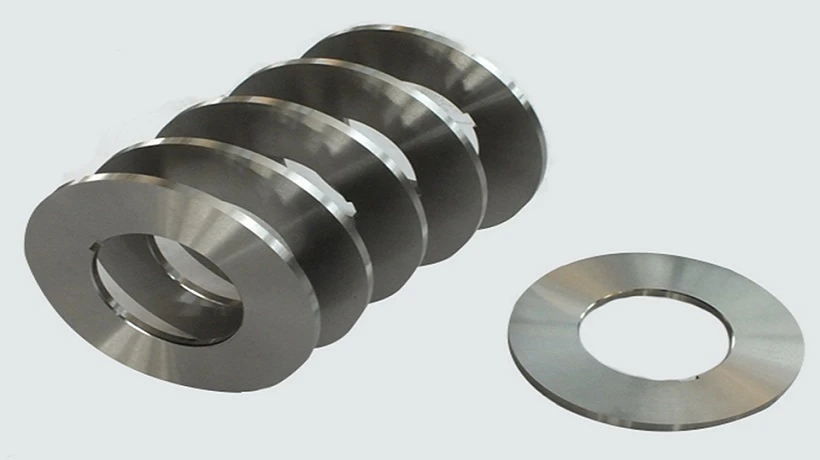
Slitter blades are circular cutting tools used in slitting machines to cut materials into smaller widths. The slitting process involves feeding a large roll or sheet of material through rotating blades that slice it into narrower sections. This process is commonly used in high-speed production lines where precision and consistency are critical.
These blades are typically mounted on a rotating shaft and work together with other components such as spacers and rubber rings to maintain proper alignment and cutting accuracy.
How Slitter Blades Work
The slitting process involves two main cutting methods: rotary slitting and razor slitting.
In rotary slitting, circular blades rotate against each other or against a hardened surface to cut the material. This method is commonly used for metal sheets, plastics, and thicker materials.
In razor slitting, a sharp blade cuts the material while it passes through the machine. This method is typically used for softer materials such as films, paper, and foil.
The choice of slitting method depends on the type of material, its thickness, and the required cutting precision.
Types of Slitter Blades
Different types of slitter blades are designed for specific cutting applications. Some of the most common types include:
Circular Slitter Blades
Circular slitter blades are the most widely used type. They are designed for high-speed rotary cutting and are commonly used in metal, paper, and plastic industries.
Crush Cut Blades
Crush cut blades are used to press and cut materials against a hardened anvil roll. They are often used for cutting softer materials like paper, textiles, and films.
Razor Slitter Blades
Razor blades are thin and extremely sharp, making them ideal for cutting lightweight materials such as plastic films, foil, and nonwoven fabrics.
Score Slitter Blades
Score slitting involves partially cutting the material using a circular blade pressed against an anvil roll. This method is suitable for flexible materials.
Each type of blade is designed to provide specific cutting performance based on the material and application.
Materials Used in Slitter Blades
Slitter blades are manufactured from high-quality materials to ensure durability, sharpness, and resistance to wear.
Common materials include:
Tool Steel – Known for its toughness and durability in heavy-duty cutting applications.
High-Speed Steel (HSS) – Offers excellent hardness and wear resistance for high-speed operations.
Carbide – Provides superior cutting performance and longer blade life when cutting tough materials.
Alloy Steel – Often used for specialized industrial applications.
The selection of blade material depends on factors such as cutting speed, material type, and production volume.
Applications of Slitter Blades
Slitter blades are widely used in various industries for cutting and processing different materials. Some common applications include:
-
Slitting metal coils into narrower strips
-
Cutting paper rolls for printing and packaging
-
Processing plastic films and laminates
-
Converting aluminum foil and copper foil
-
Textile and nonwoven material cutting
These applications require precision cutting to ensure consistent product quality and efficient manufacturing processes.
Advantages of Using High-Quality Slitter Blades
Using high-quality slitter blades provides several benefits for industrial operations.
Precision Cutting
High-quality blades produce clean and accurate cuts, reducing material waste and improving product quality.
Improved Productivity
Durable blades allow machines to operate continuously without frequent replacements, increasing production efficiency.
Longer Blade Life
Strong materials and proper heat treatment help extend blade lifespan and reduce maintenance costs.
Consistent Performance
Reliable blades maintain cutting accuracy even in high-speed production environments.
Maintenance Tips for Slitter Blades
Proper maintenance is essential to ensure optimal performance and extend the life of slitter blades.
Some important maintenance practices include:
-
Regularly inspecting blades for wear and damage
-
Sharpening blades when necessary
-
Keeping blades clean and free from debris
-
Ensuring proper blade alignment and clearance
-
Using appropriate lubrication when required
Regular maintenance not only improves cutting performance but also helps prevent machine downtime and costly repairs.
Conclusion
Slitter blades are vital tools in many industrial cutting processes. Their ability to deliver precise, clean cuts makes them indispensable in industries such as metal processing, paper manufacturing, plastics, and packaging. By understanding the different types of slitter blades, their materials, and proper maintenance techniques, manufacturers can improve cutting efficiency, extend blade life, and achieve consistent production quality.
Choosing the right slitter blade for the specific material and application ensures better performance, reduced operational costs, and improved overall productivity in industrial manufacturing.



Comments
Login to Comment