Seafood Choices for Better Daily Nutrition
10 Jul, 2026
1061 Views 0 Like(s)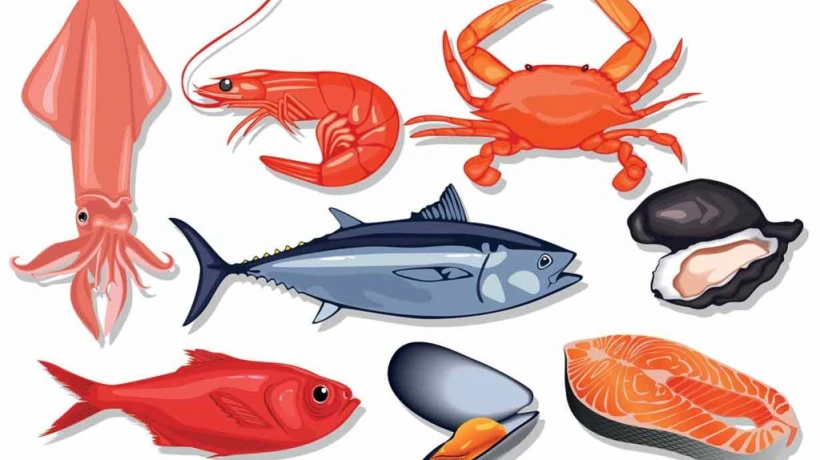
Discover how to choose, prepare, and enjoy seafood with expert tips on nutrition, cooking methods, food safety, and common mistakes for healthier, flavorful meals.
Many people enjoy eating fish, shrimp, crab, and shellfish, yet they often struggle to identify the healthiest options or prepare them correctly. Understanding how to choose quality seafood can improve both nutrition and food safety. Making informed decisions also helps families enjoy balanced meals without unnecessary risks.
Seafood offers a unique combination of lean protein, healthy fats, vitamins, and minerals that support overall wellness. However, not every product available at the market provides the same benefits. Factors such as freshness, sourcing, cooking methods, and storage all influence the final nutritional value and dining experience.
Whether you cook at home several times a week or only enjoy seafood occasionally, learning the fundamentals makes every meal healthier and more satisfying. This guide explains everything you need to know, from selecting quality products to avoiding common mistakes.
Understanding Seafood and Its Nutritional Value
Seafood refers to edible fish and shellfish harvested from oceans, rivers, lakes, and aquaculture farms. Popular choices include salmon, tuna, cod, shrimp, oysters, mussels, lobster, and crab. Each variety provides different nutrients while contributing to a balanced diet.
One of seafood's greatest strengths is its high-quality protein. Protein supports muscle repair, immune function, and overall body maintenance. Many seafood varieties also contain fewer saturated fats than red meat, making them an excellent option for heart-conscious individuals.
Fatty fish such as salmon, sardines, and mackerel contain omega-3 fatty acids. These healthy fats support brain function, cardiovascular health, and normal inflammation levels. Meanwhile, shellfish often provide essential minerals like zinc, selenium, copper, and iodine.
Seafood also delivers several important vitamins, including Vitamin D, Vitamin B12, and niacin. These nutrients contribute to energy production, nerve health, and bone strength. Including different seafood varieties throughout the week helps create a more diverse nutritional profile.
A Practical Guide to Choosing and Preparing Seafood
Selecting quality seafood begins long before cooking. Paying attention to freshness and proper handling ensures better flavor, texture, and food safety.
Choose Fresh Products Carefully
Fresh fish should have bright, clear eyes and firm flesh that springs back when pressed. The skin should appear shiny rather than dull. Whole fish should smell clean and mild instead of having a strong fishy odor.
For shellfish, purchase only products with tightly closed shells. Open shells that do not close when tapped should be discarded because they may no longer be safe to eat.
Frozen seafood can be an excellent alternative when handled correctly. Look for packages without excessive ice crystals or signs of freezer burn.
Understand Different Seafood Sources
Wild-caught and farm-raised seafood both have advantages. Wild fish often develop different flavor profiles due to their natural diets, while responsible aquaculture provides consistent quality and helps meet growing consumer demand.
Rather than assuming one option is always superior, evaluate each product based on freshness, sustainability practices, and quality standards.
Store Seafood Properly
Fresh seafood should remain refrigerated and cooked within one or two days after purchase whenever possible. Frozen products should stay frozen until ready for use.
Avoid leaving seafood at room temperature for extended periods. Proper temperature control significantly reduces the risk of bacterial growth.
Cook Seafood Correctly
Different seafood requires different cooking methods.
-
Grill salmon for rich flavor and crisp edges.
-
Steam mussels until the shells open.
-
Bake cod for a tender texture.
-
Sauté shrimp quickly to avoid toughness.
-
Poach delicate white fish for moisture retention.
For example, grilled salmon with roasted vegetables provides a balanced dinner packed with protein, fiber, and healthy fats. Meanwhile, shrimp stir-fry with brown rice creates a quick weekday meal without excessive calories.
Balance Your Meals
Seafood works best as part of a complete meal. Pair it with whole grains, colorful vegetables, healthy oils, and fresh herbs. These combinations improve both nutritional quality and flavor.
Common Mistakes People Make
Many consumers unintentionally reduce seafood's benefits through poor purchasing or cooking habits.
One frequent mistake involves overcooking. Fish continues cooking after removal from heat, so excessive cooking often results in dry, rubbery texture and reduced enjoyment.
Another issue is relying solely on fried seafood. While fried dishes can be enjoyable occasionally, frequent deep frying adds unnecessary calories and saturated fats that reduce many of seafood's natural health advantages.
Some shoppers also ignore freshness indicators. Purchasing seafood based only on price may lead to disappointing quality or shorter shelf life.
Improper storage represents another common challenge. Seafood spoils faster than many other proteins. Delaying refrigeration or thawing products incorrectly increases food safety risks.
Finally, many people eat only one variety, such as tuna or shrimp. Rotating different fish and shellfish introduces a broader range of nutrients while making meals more interesting.
Expert Tips for Getting the Most from Seafood
Planning meals in advance helps families include seafood regularly without wasting food. Keep frozen portions available for busy evenings when fresh ingredients are unavailable.
Experiment with herbs, citrus, garlic, and spices instead of relying on heavy sauces. Lemon, dill, parsley, paprika, ginger, and black pepper enhance natural flavors while keeping meals lighter.
Practice portion control. A moderate serving typically provides sufficient protein without overwhelming the rest of the plate. Combine seafood with vegetables and whole grains for better nutritional balance.
When trying unfamiliar seafood, begin with versatile options like cod, tilapia, or shrimp before exploring stronger-flavored fish such as sardines or mackerel.
If cooking for children, introduce seafood gradually using familiar recipes like fish tacos, baked fish sticks made from fresh fillets, or pasta with shrimp. Positive early experiences often encourage lifelong healthy eating habits.
Home cooks should also invest in a reliable food thermometer. Proper internal temperatures improve both food safety and consistency without guesswork.
Whenever possible, buy from reputable seafood markets or grocery stores that maintain proper refrigeration and transparent handling practices. Knowledgeable staff can often recommend seasonal options and suitable cooking techniques.
Finally, remember that seafood does not need complicated recipes. Simple preparation often produces the best results. Fresh ingredients, careful cooking, and balanced sides usually outperform heavily processed alternatives.
Conclusion
Seafood remains one of the most nutritious and versatile protein sources available. From supporting heart health to providing essential vitamins, minerals, and healthy fats, it offers benefits that fit many eating patterns. Choosing fresh products, storing them properly, cooking them carefully, and varying the types you eat all contribute to better meals and improved nutrition. By applying these practical strategies, anyone can enjoy flavorful seafood dishes with greater confidence and lasting health benefits.



Comments
Login to Comment