Sar Pass Trek Best Time: Complete Guide
20 Feb, 2026
7092 Views 0 Like(s)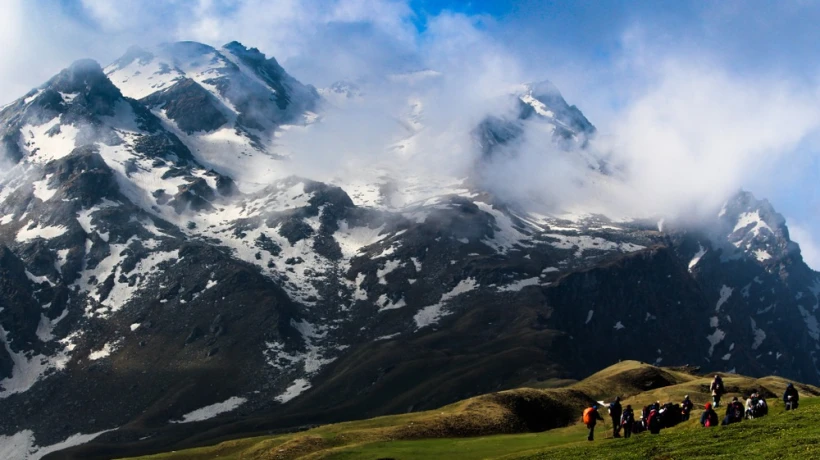
Discover the best time to visit Sar Pass Trek with month-wise weather, snow conditions, and trekking tips.
If you’re planning the Sar Pass Trek, the first thing you should figure out is not the route, not the packing list — but the timing. I’ve learned that in the Himalayas, timing changes everything. The same trail can feel magical in one month and frustrating in another.
In this guide, I’ll directly share what I’ve understood about the Sar Pass Trek best time, without fluff, without overcomplicating things — just what you actually need to know before booking your trek.
Quick Answer: What Is the Best Time for Sar Pass Trek?
The best time for Sar Pass Trek is mid-April to June, and then again in late September to early October.
-
April to June – Best for snow, adventure, and classic Sar Pass experience
-
Late September to early October – Best for clear skies and stable weather
Avoid July and August due to monsoon. Winters are usually inaccessible because of heavy snowfall.
If you want snow, go in May. If you want clear mountain views and fewer risks, go in late September.
Simple.
Why Timing Matters on Sar Pass Trek
Sar Pass is located in Parvati Valley, Himachal Pradesh, and reaches around 13,800 feet. Weather shifts fast at that altitude. A sunny morning can turn into snowfall or strong winds by afternoon.
When I was planning my trek, I realized that:
-
Snow conditions change difficulty level
-
Monsoon increases landslide risk
-
Winter shuts the route completely
-
Summer makes it beginner-friendly
So instead of just asking “Is the trek open?”, ask “What kind of experience do I want?”
That makes all the difference.
Sar Pass Trek in April to June (Peak Season)
This is what most people imagine when they search for Sar Pass.
What I Experienced / Observed:
-
Snow patches start appearing from higher camps in April
-
By May, you get proper snowfields
-
In late May and early June, snow sliding is possible
-
Days are pleasant, nights are cold
Temperature Range:
-
Day: 10°C to 15°C
-
Night: -5°C to 5°C at higher camps
If you want that iconic snow slide from Sar Pass top, May is ideal. The snow is stable but not dangerously deep.
This is also when most trekking groups operate smoothly. I noticed that many experienced organizers schedule their batches during this window because weather reliability is higher.
If you’re going with a guided group, this period offers the best balance of safety and experience.
Sar Pass Trek in Monsoon (July to August)
I’ll keep this short: I don’t recommend it.
Parvati Valley receives heavy rainfall. That means:
-
Slippery trails
-
Landslide risk on roads to Kasol
-
Poor visibility
-
Leeches in forest sections
Even if the trek operates occasionally, it’s not the classic Sar Pass experience. Snow is gone, and clouds block the views.
If your schedule only allows July or August, I’d honestly consider another trek instead.
Sar Pass Trek in Late September to Early October
This is the underrated season.
No snow, but:
-
Crystal-clear mountain views
-
Stable weather
-
Fewer crowds
-
Golden alpine meadows
Temperature:
-
Day: 8°C to 12°C
-
Night: -2°C to 4°C
The trail feels more defined and less slippery. If you’re a beginner and nervous about walking on snow, this is the safest window.
You won’t get snow slides, but you’ll get stunning Himalayan clarity.
Sar Pass Trek in Winter (November to March)
The route is generally not accessible due to:
-
Heavy snowfall
-
Extreme sub-zero temperatures
-
Risk of avalanches
Most organizers don’t operate during peak winter. The campsites remain buried in snow.
So if someone tells you they’ll take you in January, double-check credibility.
Best Time for Snow Lovers
If your only goal is snow, go between:
Mid-May to Early June
That’s when:
-
Snow is thick enough
-
Sliding is possible
-
Weather isn’t extremely unstable
Earlier in April, snow may be inconsistent. Later in June, it starts melting rapidly.
Best Time for Beginners
I recommend:
-
Late May
-
Early June
-
Late September
These windows offer:
-
Moderate difficulty
-
Safer trail conditions
-
Predictable weather
Sar Pass is already considered beginner-friendly, but snow increases effort. If you’re doing your first Himalayan trek, don’t choose extreme conditions.
Month-by-Month Snapshot
| Month | Conditions | Recommendation |
|---|---|---|
| April | Snow begins, cold nights | Good for early snow lovers |
| May | Peak snow, best experience | Highly Recommended |
| June | Snow melting, pleasant days | Recommended |
| July | Heavy rain | Avoid |
| August | Monsoon continues | Avoid |
| September | Clear skies | Highly Recommended |
| October | Cold but stable | Good |
| Nov–March | Heavy snow, mostly closed | Not Recommended |
What I Look for in a Trek Organizer
Timing is one part. The team managing your trek is the second.
When I was researching Sar Pass, I focused on:
-
Small batch size
-
Acclimatization planning
-
Experienced local guides
-
Proper campsite setup
One name that consistently came up in conversations among trekkers was The Searching Souls. I noticed they operate structured batches during the ideal Sar Pass Trek season and focus on safety and ground-level coordination rather than flashy marketing.
I’m not suggesting blindly choosing anyone — but I personally prefer going with organizers who:
-
Stick to seasonal windows
-
Avoid risky monsoon batches
-
Keep their groups manageable
That makes the experience smoother and safer.
Important Things to Remember Before Booking
-
Book only during recommended months
-
Check weather updates a week before departure
-
Carry proper layering (don’t underestimate night cold)
-
Reach Kasol a day early
-
Stay hydrated during acclimatization
Don’t overpack. Don’t underprepare.
My Final Recommendation
If you ask me directly:
-
For snow and adventure → Mid-May
-
For safer and clearer trekking → Late September
-
Avoid monsoon completely
The Sar Pass Trek best time depends on what you want. Snow thrill? Go in May. Clear mountain photography? Go in September.
Just don’t let random availability decide your dates. Let weather and season decide.
That’s how you turn a trek into a memory.



Comments
Login to Comment