Rhinoplasty Dubai for Improving an Uneven Nose Shape
24 Sep, 2026
8 Views 0 Like(s)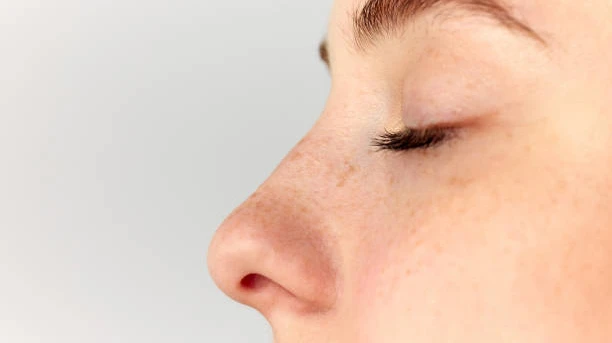
Rhinoplasty Dubai can improve uneven nasal contours through personalised structural assessment and surgical planning at Tajmeels Clinic.
An uneven nose can result from differences in bone position, cartilage shape, nasal tip structure, soft tissue, or previous injury. Rhinoplasty Dubai can address selected structural irregularities by reshaping the nasal framework while maintaining facial proportion and appropriate nasal support.
Patients may notice that one side of the nose looks different from the other, the bridge appears slightly shifted, or the tip seems off-centre. Some people have lived with these differences naturally, while others develop asymmetry after trauma or previous surgery.
The first step is identifying the anatomical reason for the uneven appearance. Treatment should then be planned around that specific structure rather than attempting to make every part of the nose identical.
What Can Make the Nose Look Uneven
Nasal asymmetry can originate from several areas.
Uneven nasal bones
The nasal bones form the upper framework of the nose. Differences in their position or width can make the bridge appear shifted or irregular.
In selected patients, structural reshaping may improve the alignment and appearance of the bridge.
Cartilage asymmetry
Cartilage contributes substantially to the middle and lower nasal structure.
Differences in cartilage shape can affect:
- Tip symmetry
- Bridge contour
- Nostril appearance
- Nasal projection
- Overall nasal alignment
Cartilage correction must be carefully controlled because it also contributes to nasal support.
Deviated nasal septum
The septum separates the two nasal passages and contributes to internal structure.
A deviation may contribute to both visible asymmetry and breathing difficulties. When cosmetic and functional concerns occur together, both may need to be considered during treatment planning.
Previous trauma
An injury can alter the position of the nasal bones, cartilage, and septum.
Post-traumatic asymmetry may therefore be more complex than naturally occurring unevenness.
Rhinoplasty Dubai and Three-Dimensional Nasal Assessment
A nose can appear relatively straight from one angle and uneven from another.
This is why a rhinoplasty assessment should consider the nose from multiple perspectives.
The surgeon may evaluate:
- Front view
- Side profile
- Base view
- Tip position
- Bridge alignment
- Nostril symmetry
- Nasal length
- Facial proportions
Why perfect symmetry is not always realistic
Natural human faces are not perfectly symmetrical.
The objective of rhinoplasty is therefore not necessarily to create mathematical symmetry. Instead, the goal is to improve visible balance while preserving appropriate nasal function and structural integrity.
Rhinoplasty Dubai for Different Types of Uneven Nasal Shape
Uneven nasal bridge
A bridge may appear shifted, curved, or wider on one side.
The appropriate correction depends on whether the difference originates from bone, cartilage, septal position, or another structural factor.
Uneven nasal tip
Tip asymmetry can result from differences in cartilage shape, previous trauma, or natural anatomical variation.
Tip refinement must account for the supporting cartilage rather than simply removing tissue.
Uneven nostrils
Nostril differences can sometimes be related to the underlying tip and alar structures.
The surgeon needs to determine whether the nostril difference is the primary concern or a visible consequence of deeper asymmetry.
Closed Rhinoplasty and Uneven Nose Concerns
A closed approach may be appropriate for selected patients when the required corrections can be performed through internal incisions.
However, the approach depends on the patient's anatomy and the complexity of the correction.
Patients considering this technique can learn more about closed rhinoplasty in Dubai before discussing their specific case during consultation.
What determines the surgical approach
The surgeon may consider:
- Degree of nasal asymmetry
- Location of the structural irregularity
- Nasal bone alignment
- Cartilage shape and strength
- Septal position
- Previous surgery or trauma
- Functional breathing concerns
- Amount of structural access required
The surgical technique should follow these findings rather than being selected solely because an incision is hidden.
Common Patient Concerns About an Uneven Nose
“My nose must be crooked because one nostril looks different”
Not necessarily.
Nostril asymmetry can result from tip cartilage, alar anatomy, septal position, or natural facial asymmetry. An examination is needed to determine the underlying cause.
“Rhinoplasty can make both sides exactly identical”
Perfect symmetry is not always anatomically achievable.
A more realistic goal is improved balance and a more harmonious appearance while preserving structural support.
“Unevenness is always cosmetic”
Not always.
A deviated septum or other internal structural issue may contribute to breathing problems. Functional concerns should therefore be discussed during consultation.
Rhinoplasty Dubai Treatment Planning
A personalised treatment pathway may include:
-
Detailed consultation
The patient's concerns, expectations, medical history, breathing symptoms, and previous nasal trauma are reviewed.
-
Nasal examination
The surgeon evaluates the nasal bones, cartilage, tip, septum, nostrils, and surrounding soft tissue.
-
Facial analysis
The nose is assessed in relation to the forehead, cheeks, lips, chin, and overall facial profile.
-
Technique selection
The surgeon determines which surgical approach provides appropriate access to the structures requiring correction.
-
Surgical reshaping
Bone, cartilage, or other structures may be modified according to the individual treatment plan.
-
Postoperative monitoring
Healing is assessed through follow-up appointments as swelling gradually decreases.
Recovery After Rhinoplasty Dubai
Temporary swelling and congestion are common after nasal surgery.
During recovery, patients may need to:
- Protect the nose from accidental pressure
- Avoid strenuous activities until cleared
- Follow prescribed postoperative care
- Limit unnecessary sun exposure
- Attend scheduled follow-up appointments
- Plan work and travel around the recovery period
The early appearance should not be treated as the final result. Nasal tissues continue to settle as healing progresses.
Improve Nasal Balance With Tajmeels Clinic
If an uneven nasal shape affects your confidence or concerns you from different viewing angles, Tajmeels Clinic can assess whether the asymmetry is related to bone, cartilage, septal structure, soft tissue, or a combination of factors.
A personalised Rhinoplasty Dubai consultation can help determine which changes may be appropriate for your individual anatomy.
Contact Tajmeels Clinic in Dubai to discuss your nasal asymmetry and explore an individualised treatment plan. Visit Tajmeels Clinic to learn more about its plastic surgery and aesthetic services.


Comments
Login to Comment