How Does a Solar Water Pump Work for Residential Use?
24 Sep, 2026
12 Views 0 Like(s)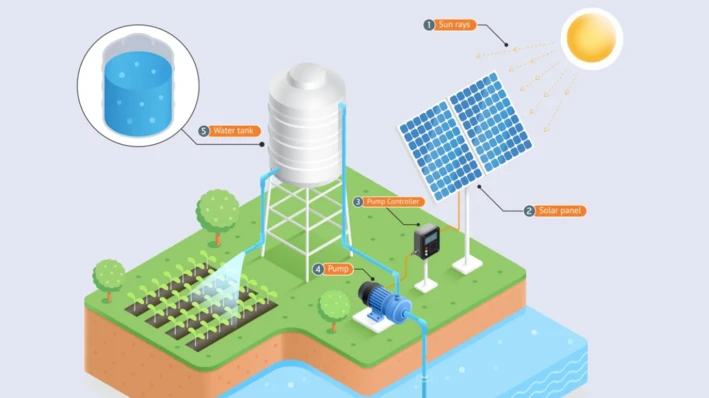
Discover how solar water pumps work for residential use, from converting sunlight into electricity to supplying water for everyday household needs. Learn about their key components, benefits, installation considerations, and how to choose the right solar water pump for your home.
Solar energy is becoming a practical option for households looking to reduce electricity consumption and adopt sustainable solutions. One such application is solar water pumps for home, which use energy generated by solar panels to pump water for everyday residential needs. From filling overhead tanks to supplying water for gardens, these systems can provide a convenient alternative to conventional electric pumps, particularly in areas with frequent power cuts.
Understanding How a Solar Water Pump Works
A solar water pump uses sunlight to generate electricity, which powers a motor that moves water from a source to a required location. The system typically consists of solar panels, a pump controller, a water pump, and the necessary electrical connections.
When sunlight falls on the solar panels, they convert solar energy into electrical energy. This electricity is supplied to the pump controller, which regulates the power and helps the pump operate efficiently. The motor then drives the pump, drawing water from sources such as wells, borewells, storage tanks, or underground reservoirs and delivering it to the household.
Unlike conventional electric pumps, solar water pumps can operate using electricity generated directly from sunlight, reducing their dependence on grid electricity.
Key Components of a Residential Solar Water Pump
A residential solar water pumping system includes several components that work together to provide a consistent water supply.
1. Solar panels: These capture sunlight and convert it into electricity. The number and capacity of panels depend on the pump's power requirements and the amount of water needed.
2. Pump controller: The controller regulates the electricity supplied to the pump and helps protect the system from certain electrical operating conditions. Some controllers also include features such as dry-run protection and maximum power point tracking.
3. Water pump: The pump moves water from the source to the required destination. Depending on the water source and installation, households may use a submersible or surface pump.
4. Water storage tank: A storage tank can hold pumped water for use during evenings, cloudy periods, or times when the pump is not operating. Its size depends on the household's daily water consumption.
How the Pump Supplies Water to Your Home
The operation of a solar water pump generally follows a straightforward process. During daylight hours, the solar panels generate electricity based on available sunlight. The controller manages this power and supplies it to the pump motor.
Once activated, the pump draws water from the selected source and transfers it through pipes to a storage tank or directly to the required outlet. If the system is designed to fill an overhead tank, water can then flow to household taps through the plumbing system.
The amount of water pumped depends on several factors, including sunlight availability, panel capacity, pump specifications, water depth, and the height to which the water needs to be lifted.
Benefits of Solar Water Pumps for Residential Use
Solar water pumps for home offer several practical benefits for homeowners. Since they use sunlight as their primary energy source, they can help reduce electricity expenses associated with water pumping. They are also useful in areas where grid electricity is unreliable or unavailable.
These systems have relatively low routine maintenance requirements, although regular inspection and panel cleaning are important for reliable operation. Solar pumps can also support more sustainable household water management by reducing reliance on conventional electricity.
For homes with gardens, independent water sources, or substantial daily pumping requirements, a properly sized solar water pump can be a useful long-term investment.
What Happens When There Is No Sunlight?
Solar water pumps generally produce less power when sunlight is weak and may stop operating after sunset. A household can manage this limitation by storing water in a suitable tank during sunny hours. Battery storage is another option, although it adds to the system's cost and maintenance needs.
The right configuration depends on the household's water usage pattern, location, and daily pumping requirements. Proper planning helps ensure that the system can provide enough water when needed.
Choosing the Right Solar Water Pump for Your Home
Before installing a residential solar water pump, homeowners should consider their daily water consumption, the depth of the water source, required pumping height, and available sunlight. Selecting an appropriate pump capacity and solar panel configuration is essential for reliable performance.
Energy United India offers solar water pump solutions designed around different water requirements and site conditions. By assessing your household's needs and installation environment, you can identify a suitable system for everyday water supply.
A well-planned solar water pumping system can help households make better use of renewable energy while supporting convenient and cost-conscious water management.



Comments
Login to Comment