Revamping Your Pool Border: A Coping Replacement Guide
03 Apr, 2026
3155 Views 0 Like(s)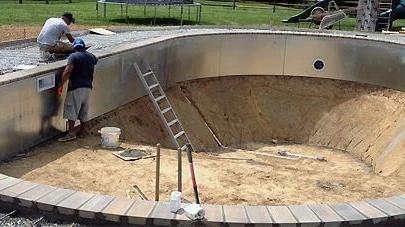
Revamping your swimming pool can dramatically improve both its appearance and functionality, and one of the most impactful upgrades you can make is updating the pool coping.
Revamping your swimming pool can dramatically improve both its appearance and functionality, and one of the most impactful upgrades you can make is updating the pool coping. Often overlooked, the coping, the material that caps the edge of your pool, plays a crucial role in safety, durability, and overall design.
If your pool is starting to show signs of wear, this guide will walk you through everything you need to know about pool coping replacement and how to do it right.
What Is Pool Coping and Why Does It Matter
Pool coping replacement is the protective edge or cap that surrounds your pool. It acts as a transition between the pool structure and the surrounding deck. Beyond aesthetics, coping serves practical purposes: it prevents water from seeping behind the pool shell, protects the pool structure, and provides a non-slip surface for swimmers.
Over time, exposure to sun, chemicals, and weather conditions can cause coping materials to crack, fade, or loosen. When this happens, it’s not just a cosmetic issue—it can also become a safety hazard.
Signs It’s Time for an Upgrade
Before jumping into a renovation, it’s important to identify whether your pool actually needs attention. Some common signs include:
· Cracked or chipped edges
· Loose or shifting coping stones
· Discoloration or fading
· Water leakage around the pool perimeter
· Rough or uncomfortable surfaces
If you notice any of these issues, it’s likely time to consider pool coping replacement to restore both safety and style.
Choosing the Right Coping Material
One of the most exciting parts of upgrading your pool border is selecting new materials. There are several options available, each with its own advantages:
Concrete Coping
Affordable and versatile, concrete can be molded into various shapes and finishes. It’s durable and can be textured for a better grip.
Natural Stone
Materials like travertine, limestone, and granite offer a premium look. They stay cool underfoot and are highly durable, making them a popular choice for luxury pools.
Brick Coping
Brick provides a classic, timeless aesthetic. It’s slip-resistant and relatively easy to replace if individual pieces become damaged.
Pavers
Concrete or stone pavers offer flexibility in design and are easy to install. They’re also a great option if you want a cohesive look between your pool and patio.
Your choice should depend on your budget, climate, and design preferences. Always prioritize materials that are slip-resistant and weather-resistant.
The Replacement Process Explained
Understanding the process can help you plan better and avoid surprises. Here’s a simplified step-by-step overview:
Inspection and Preparation
The first step involves assessing the current condition of your pool edge and identifying any structural issues.
Removing Old Coping
The existing coping is carefully removed using specialized tools. This step requires precision to avoid damaging the pool shell.
Surface Cleaning and Repair
Once the old material is gone, the surface is cleaned, and any cracks or damage are repaired.
Installing New Coping
The new material is laid and secured using mortar or adhesive, depending on the type chosen.
Sealing and Finishing
Finally, the coping is sealed to protect it from water and chemical damage, ensuring long-term durability.
A professional contractor can typically complete this process within a few days, depending on the size and complexity of the project.
DIY vs. Hiring a Professional
While some homeowners may be tempted to tackle the project themselves, pool coping replacement is not always a simple DIY job. It requires precision, proper tools, and knowledge of pool structures.
DIY Pros:
· Lower upfront cost
· Full control over design
DIY Cons:
· Risk of improper installation
· Potential damage to pool structure
· Time-consuming
Professional Pros:
· Expertise and experience
· Faster completion
· Higher-quality results
Professional Cons:
Higher cost
If your pool has significant damage or you’re using high-end materials, hiring a professional is usually the safer choice.
Cost Considerations
The cost of updating your pool border can vary widely depending on factors such as material, pool size, and labor. On average, homeowners can expect to spend anywhere from a few thousand to several thousand dollars.
Natural stone tends to be more expensive, while concrete and pavers are more budget-friendly. Labor costs can also vary based on your location and the complexity of the job.
While it may seem like a significant investment, a well-executed pool coping replacement can increase your property value and reduce long-term maintenance costs.
Maintenance Tips for Longevity
Once your new coping is installed, proper maintenance will ensure it lasts for years. Here are some simple tips:
· Clean regularly to remove dirt and chemical buildup
· Inspect for cracks or loose pieces
· Reseal the surface as recommended
· Avoid using harsh chemicals that can damage the material
Routine care not only preserves the appearance but also prevents costly repairs down the line.
Enhancing Your Pool’s Overall Look
Replacing your coping is also an opportunity to refresh your entire pool area. Consider coordinating the coping with your deck, landscaping, or outdoor furniture.
Adding features like LED lighting, water features, or new tiling can further elevate the space. A cohesive design can turn your pool into a true backyard oasis.
Final Thoughts
Pool coping replacement is more than just a cosmetic upgrade; it’s an investment in safety, durability, and enjoyment. Whether you’re dealing with visible damage or simply want a fresh new look, upgrading your coping can make a significant difference.
By choosing the right materials, understanding the process, and maintaining your investment, you can ensure your pool remains a beautiful and functional centerpiece for years to come.



Comments
Login to Comment