qEEG Mapping: Understanding Brain Activity and Brain Health
14 Oct, 2026
10 Views 0 Like(s)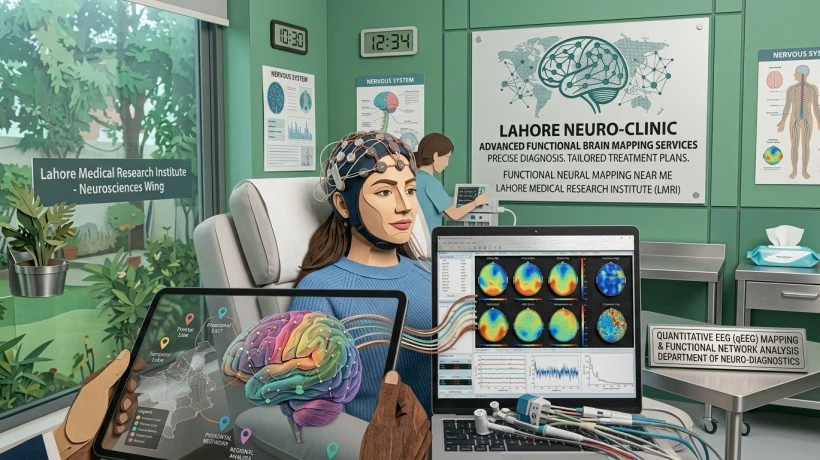
Learn how qEEG mapping analyzes brain activity, how assessments work, and what to consider when choosing a qualified brain mapping provider.
Understanding how the brain functions is an important part of exploring cognitive health and neurological wellness. Modern assessment techniques help professionals examine different aspects of brain activity and gather information that may support an individual's care plan. One of these techniques is quantitative electroencephalography, commonly known as qEEG mapping.
People interested in brain health, neurofeedback, and cognitive assessments may want to learn how qEEG mapping works, what information it provides, and when it may be considered. Understanding the process can help individuals ask better questions and make informed decisions about available assessment options.
What Is qEEG Mapping?
qEEG mapping is a method of analyzing electrical activity recorded from the brain using electroencephalography (EEG). During an EEG recording, sensors placed on the scalp detect electrical signals generated by brain activity.
Quantitative analysis uses specialized software to examine these signals and create visual representations of selected patterns. Depending on the assessment, results may be compared with reference databases and interpreted alongside an individual's symptoms, medical history, and other clinical information.
qEEG mapping is not a complete diagnosis on its own. Its usefulness depends on the reason for testing, the quality of the recording, and the expertise of the professional interpreting the results.
How Does a qEEG Brain Mapping Assessment Work?
A qEEG assessment generally involves several stages designed to collect and analyze brain activity data.
Initial Consultation
The process usually begins with a discussion about the individual's health history, concerns, and goals. The professional determines whether qEEG mapping is appropriate for the questions being investigated.
EEG Data Collection
Sensors are placed on the scalp to record electrical activity. The procedure is generally noninvasive, and the sensors measure signals rather than intentionally delivering electrical currents to the brain.
Quantitative Data Analysis
Specialized software processes the recorded signals and presents selected patterns in charts or brain maps. A qualified professional evaluates the findings and considers factors that may affect the results.
Interpretation and Recommendations
The findings may be discussed alongside other relevant clinical information. Depending on the circumstances, the professional may recommend further assessment, discuss neurofeedback, or explain other appropriate options.
Potential Uses of qEEG Mapping
qEEG mapping can provide additional information about patterns of electrical brain activity in selected clinical and research settings. Professionals may consider it when evaluating specific questions related to brain function or when planning certain neurofeedback approaches.
Potential areas of interest include attention difficulties, cognitive concerns, and the assessment of brain activity patterns in appropriate clinical contexts.
However, the evidence supporting qEEG varies according to its intended application. It should not be assumed that a brain map can independently identify every neurological or mental health condition. Results need careful interpretation and may not change the recommended treatment plan.
qEEG Mapping: What Should You Know Before Choosing a Provider?
When exploring qEEG mapping, it is important to understand what the assessment can and cannot tell you. Choosing a qualified provider who explains the procedure and its limitations can help you approach the process with realistic expectations.
Before scheduling an assessment, consider the following:
-
Professional qualifications: Ask about the provider's training and experience in EEG and qEEG interpretation.
-
Purpose of testing: Understand the specific question the assessment is intended to address.
-
Recording quality: Ask how the provider manages factors that may influence the accuracy of the results.
-
Individual interpretation: Confirm that findings will be reviewed by a suitably qualified professional rather than relying solely on automated software.
-
Clear reporting: Ask whether the results will be explained in a consultation and whether you will receive a report.
-
Costs and next steps: Understand the assessment fee and whether additional appointments or evaluations may be recommended.
These considerations can help you compare providers and determine whether qEEG mapping is appropriate for your needs.
The Relationship Between qEEG Mapping and Neurofeedback
qEEG mapping and neurofeedback are related in some brain health settings, but they have different purposes. qEEG mapping analyzes recorded electrical activity, while neurofeedback provides real-time feedback during structured training sessions.
Some professionals may use qEEG findings when considering an individualized neurofeedback protocol. However, qEEG is not necessary for every neurofeedback program, and the decision depends on the provider's approach and the individual's circumstances.
Those interested in learning more about these methods can explore brain mapping, qEEG, and neurofeedback services to understand how brain assessment and training approaches may be incorporated into a broader care plan.
Who May Consider qEEG Mapping?
People may consider discussing qEEG mapping with a healthcare professional when they have questions about brain activity or are exploring assessment options related to specific cognitive concerns.
Whether the procedure is appropriate depends on the clinical question and the individual's circumstances. For example, persistent memory changes, seizures, or symptoms following a head injury may require a broader medical evaluation rather than qEEG mapping alone.
A qualified healthcare professional can explain which assessments are suitable and whether other investigations may provide more useful information.
What to Expect During a qEEG Mapping Session
A qEEG mapping appointment often begins with a consultation about health history and assessment goals. If testing is appropriate, sensors are placed on the scalp to record electrical activity.
The recorded data is processed and reviewed by a qualified professional. The appointment length and reporting process vary by provider, so it is helpful to ask about preparation instructions, recording duration, and how the findings will be discussed.
The procedure is generally noninvasive. However, the meaning of the results depends on the quality of the recording and the clinical context in which they are interpreted.
Making Informed Decisions About Brain Health
qEEG mapping offers a way to analyze patterns of electrical brain activity, but it should be viewed as one potential source of information rather than a definitive answer to every health concern.
Before choosing an assessment, learn about the provider's qualifications, understand the purpose of the test, and ask how the results may influence your care. Combining appropriate assessments with professional guidance can help you make informed decisions about brain health and wellness.
Frequently Asked Questions
What does qEEG mapping measure?
qEEG mapping analyzes electrical signals recorded through EEG and presents selected patterns for professional interpretation.
Is qEEG mapping painful?
The recording process is generally noninvasive and painless. Sensors placed on the scalp measure electrical activity without intentionally sending electrical currents into the brain.
Is qEEG mapping the same as an MRI?
No. An MRI produces images of brain structure, while qEEG analyzes electrical activity. The two methods provide different information.
Does qEEG mapping diagnose every brain condition?
No. qEEG has specific applications and limitations. Findings must be interpreted in context and may need to be considered alongside other examinations or tests.
Is qEEG mapping required before neurofeedback?
Not always. Whether qEEG mapping is appropriate depends on the training approach, the individual's circumstances, and the provider's assessment process. Read more blogs


Comments
Login to Comment