Moped or Scooter: What the Difference Actually Is and Why It Matters Before You Buy
19 Jun, 2026
1338 Views 0 Like(s)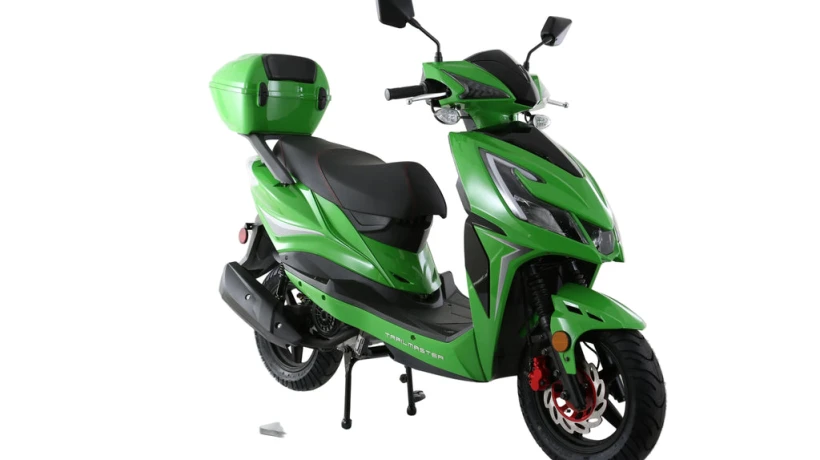
The terms moped and scooter are used interchangeably in everyday conversation, but they are not the same vehicle.
The distinction matters practically because it affects registration requirements, license endorsements, insurance eligibility, and where the vehicle can legally be operated. Understanding the difference before you search for a moped for sale or a scooter listing saves time, prevents buying mistakes, and keeps you on the right side of local regulations.
The Technical Difference
The distinction between a moped and a scooter is primarily defined by engine size and assisted propulsion. A moped, short for motorized pedal cycle, was originally defined as a low-speed motorized vehicle with functional pedals that allowed the rider to assist propulsion. Modern usage has evolved, and in most U.S. states, a moped is now legally defined as a two-wheeled vehicle with an engine displacement of 50cc or less and a maximum speed typically capped at 30 mph.
A scooter is a step-through frame vehicle with an automatic transmission and a platform for the rider's feet. Scooters are available across a wide engine range, from 49cc all the way to 300cc and above. A 49cc scooter may qualify as a moped under state law due to its engine size, while a 150cc scooter is classified as a motorcycle in most jurisdictions and requires full motorcycle registration and licensing.
Why the Distinction Matters for Registration and Licensing
This is where the practical difference between a moped scooter and a larger scooter becomes most significant. In most states, a vehicle that qualifies as a moped under local law can be operated with a standard driver's license and registered under a simplified moped registration process. A scooter with a 150cc or larger engine is typically classified as a motorcycle, requiring a motorcycle endorsement on your license and full motorcycle registration.
Before purchasing any two-wheeled motorized vehicle, verify how your state classifies it based on engine size and top speed. The classification determines your licensing requirements, registration process, and insurance obligations before the first ride.
The Step-Through Frame
One physical characteristic shared by both mopeds and scooters is the step-through frame, which allows the rider to mount the vehicle without swinging a leg over a seat. This design makes both vehicle types more accessible than traditional motorcycles, particularly for shorter riders, older adults, and new riders who are not yet comfortable with a standard motorcycle mount. The platform footrest provides a stable, comfortable riding position for urban and suburban use.
Who a Moped or 50cc Scooter Is Right For
A moped or 50cc moped scooter is best suited for riders who need a low-cost, fuel-efficient transportation option for short urban trips, neighborhood commuting, or campus use. The simplified licensing requirements in most states make it accessible to a wider rider pool than a full motorcycle, and the low operating costs make it one of the most affordable motorized transportation options available.
A 50cc moped is not appropriate for highway use or high-speed road environments. Most engines in this class top out at speeds that are unsafe for traffic moving above 35 to 40 mph.
Who a Larger Scooter Is Right For
A scooter in the 150cc range suits riders who need more capability than a 50cc engine provides: longer commutes, roads with higher speed limits, and routes that mix urban and suburban driving conditions. These vehicles require motorcycle licensing in most states but offer significantly more real-world usability than a moped for riders whose commuting needs go beyond short neighborhood trips.
What to Look for When Shopping
When searching for a moped for sale or evaluating scooter options, verify the following before purchasing:
● Engine size and how your state classifies the vehicle for registration
● Whether the model is CARB-compliant if you are a California buyer
● Lighting package and street legal compliance for road use
● Warranty coverage and parts availability from the retailer
● Whether free technical support is available post-purchase
The Bottom Line
The moped and scooter categories overlap in design but diverge significantly in legal classification, licensing requirements, and real-world capability. Getting clear on which category fits your riding requirements before you buy saves time and prevents registration surprises after delivery.
MotoBuys carries a reliable and top-rated selection of mopeds and scooters across multiple engine sizes, all backed by free USA-based certified technical support and free nationwide shipping.
Comments
Login to Comment