LDPE Bags: Complete Guide, Uses, Benefits, Applications, and Buying Insights
17 Jun, 2026
1361 Views 0 Like(s)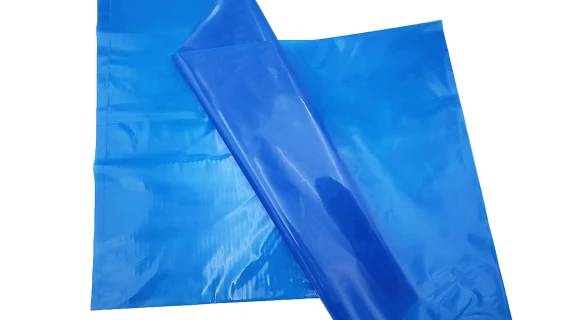
The demand for LDPE bags has increased significantly across retail, food packaging, industrial supply chains, agriculture, and e-commerce industries. Known for their flexibility, durability,
The demand for LDPE bags has increased significantly across retail, food packaging, industrial supply chains, agriculture, and e-commerce industries. Known for their flexibility, durability, and cost-effectiveness, LDPE (Low-Density Polyethylene) bags are one of the most widely used plastic packaging solutions in the world.
Businesses rely on LDPE bags for everything from product packaging and storage to shipping and waste management. Their lightweight structure, moisture resistance, and versatility make them a preferred choice for both commercial and industrial applications.
In this comprehensive guide, we will explore what LDPE bags are, how they are made, their advantages, types, applications, environmental considerations, and how to choose the right LDPE bags for your business needs
What Are LDPE Bags?
LDPE bags are packaging bags made from Low-Density Polyethylene, a thermoplastic material derived from petroleum. This material is known for its soft, flexible, and lightweight properties.
LDPE bags are commonly used for:
-
Packaging retail products
-
Food storage and packaging
-
Industrial and manufacturing applications
-
Agricultural goods handling
-
Waste collection and disposal
They are widely valued for their ability to resist moisture, chemicals, and punctures while remaining highly flexible.
How LDPE Bags Are Manufactured
LDPE bags are produced using a process called film extrusion.
Step-by-Step Manufacturing Process:
-
Polymer Melting LDPE resin pellets are melted at high temperatures.
-
Film Extrusion The molten plastic is forced through a circular die to form a thin film.
-
Blowing Process Air is introduced to expand the film into a bubble shape.
-
Cooling and Flattening The film is cooled and flattened into sheets.
-
Cutting and Sealing The sheets are cut and sealed into bags of various sizes and styles.
This process allows manufacturers to create bags in different thicknesses, strengths, and finishes depending on application requirements.
Key Properties of LDPE Bags
LDPE bags offer a unique combination of physical and chemical properties:
1. Flexibility
LDPE is highly flexible, allowing bags to stretch without breaking.
2. Moisture Resistance
They provide excellent protection against water and humidity.
3. Chemical Resistance
LDPE resists many acids, alkalis, and cleaning agents.
4. Transparency Options
They can be made clear, semi-transparent, or colored.
5. Lightweight Structure
Ideal for reducing shipping and packaging costs.
Types of LDPE Bags
LDPE bags come in various forms depending on industrial or commercial use.
1. Flat LDPE Bags
-
Simple open-ended bags
-
Used for packaging small items and food products
2. LDPE Gusseted Bags
-
Expandable sides for larger capacity
-
Common in bulk packaging
3. LDPE Zip Lock Bags
-
Re-sealable closure
-
Used for food storage and retail packaging
4. LDPE Garbage Bags
-
Designed for waste collection
-
Strong puncture resistance
5. LDPE Shrink Bags
-
Used for tightly wrapping products
-
Common in retail and logistics
6. LDPE Printed Bags
-
Custom branding and marketing
-
Used in retail and promotional packaging
7. LDPE Heavy-Duty Bags
-
Thick material for industrial applications
-
Used for chemicals, grains, and construction materials
Advantages of LDPE Bags
LDPE bags offer several benefits that make them a preferred packaging choice.
1. Cost-Effective
One of the most affordable packaging materials available.
2. High Durability
Resistant to tearing, punctures, and stretching.
3. Water Resistance
Protects contents from moisture damage.
4. Versatile Applications
Suitable for retail, industrial, agricultural, and food industries.
5. Lightweight
Reduces transportation and logistics costs.
6. Customizable
Can be printed, colored, and sized according to business needs.
Applications of LDPE Bags
LDPE bags are used across a wide range of industries due to their adaptability.
Retail Industry
-
Shopping bags
-
Product packaging
-
Promotional packaging
Retailers prefer LDPE bags for their affordability and branding potential.
Food Industry
-
Fresh produce packaging
-
Frozen food storage
-
Bakery packaging
Food-grade LDPE bags ensure hygiene and freshness.
E-commerce and Logistics
-
Courier packaging
-
Product shipping bags
-
Protective inner packaging
They help protect products during transit.
Agriculture Industry
-
Fertilizer packaging
-
Seed storage
-
Grain and feed packaging
LDPE bags protect agricultural goods from moisture and contamination.
Industrial Applications
-
Chemical storage
-
Construction materials packaging
-
Component storage
Heavy-duty LDPE bags are widely used in industrial environments.
Healthcare and Pharmaceutical Industry
-
Medical supply packaging
-
Waste disposal bags
-
Sterile packaging materials
They help maintain hygiene and safety standards.
LDPE vs HDPE Bags
Understanding the difference between LDPE and HDPE bags helps in selecting the right material.
LDPE Bags
-
Softer and more flexible
-
Transparent or semi-transparent
-
Better stretchability
-
Ideal for packaging and storage
HDPE Bags
-
Stiffer and stronger
-
More opaque
-
Higher tensile strength
-
Used for grocery and heavy-duty carry bags
LDPE is preferred when flexibility and clarity are required.
Environmental Impact of LDPE Bags
LDPE bags are made from plastic, so environmental concerns are important.
Challenges:
-
Non-biodegradable under natural conditions
-
Contributes to plastic waste if not recycled
Sustainability Solutions:
-
Recyclable material (widely accepted in recycling systems)
-
Reusable designs for multiple uses
-
Development of biodegradable LDPE alternatives
-
Use of thinner, resource-efficient films
Many industries are shifting toward eco-conscious LDPE solutions.
How to Choose the Right LDPE Bags
Selecting the right LDPE bag depends on several factors:
1. Application Type
Determine whether it is for food, industrial, retail, or agricultural use.
2. Thickness (Gauge)
-
Thin bags for light items
-
Medium thickness for retail use
-
Heavy-duty for industrial applications
3. Size Requirements
Choose appropriate dimensions for your product.
4. Transparency Level
Clear bags for visibility or opaque bags for privacy.
5. Seal Type
Open, zip lock, heat seal, or adhesive closure depending on use.
6. Custom Branding
Printed LDPE bags help enhance brand visibility.
Storage and Handling of LDPE Bags
Proper storage ensures product quality and durability:
-
Store in a cool, dry place
-
Avoid direct sunlight exposure
-
Keep away from sharp objects
-
Do not store near heat sources
-
Use FIFO (First In First Out) inventory method
Common Problems and Solutions
1. Bag Tearing Easily
Cause: Low thickness or poor quality
Solution: Choose higher gauge LDPE bags
2. Moisture Leakage
Cause: Improper sealing
Solution: Use heat-sealed or zip lock bags
3. Static or Dust Attraction
Cause: Material surface properties
Solution: Use anti-static LDPE variants
4. Environmental Concerns
Cause: Improper disposal
Solution: Promote recycling and reuse
Industry Trends in LDPE Bags
1. Eco-Friendly Innovations
Development of recyclable and biodegradable LDPE materials.
2. Lightweight Packaging Solutions
Reducing material usage without compromising strength.
3. E-Commerce Growth
Rising demand for LDPE courier and mailing bags.
4. Custom Branding Expansion
Businesses increasingly using printed LDPE bags for marketing.
5. Smart Packaging Integration
Tracking and labeling technologies being integrated into packaging systems.
Benefits of Using LDPE Bags for Businesses
1. Reduced Packaging Costs
Affordable compared to alternative materials.
2. Improved Product Protection
Protects goods from moisture and dust.
3. Operational Efficiency
Easy handling and storage in bulk quantities.
4. Branding Opportunities
Custom printing enhances visibility and recognition.
5. Versatility Across Industries
Suitable for multiple applications and environments.
Conclusion
LDPE bags are one of the most versatile, cost-effective, and widely used packaging solutions in modern industries. Their flexibility, durability, and moisture resistance make them ideal for applications ranging from retail and food packaging to industrial and agricultural use.
While environmental concerns exist, advancements in recycling and sustainable production are making LDPE bags more eco-friendly and responsible.
For businesses seeking reliable, affordable, and customizable packaging solutions, LDPE bags remain a top choice in global markets.
FAQs
What are LDPE bags used for?
LDPE bags are used for packaging food, retail products, industrial materials, agricultural goods, and waste management.
Are LDPE bags recyclable?
Yes, LDPE bags are recyclable and widely accepted in plastic recycling programs.
What is the difference between LDPE and HDPE bags?
LDPE bags are softer and more flexible, while HDPE bags are stronger and more rigid.
Are LDPE bags safe for food packaging?
Yes, food-grade LDPE bags are safe for storing and packaging food items.
Can LDPE bags be reused?
Yes, many LDPE bags can be reused multiple times depending on thickness and application.
Are LDPE bags waterproof?
Yes, LDPE bags provide excellent resistance to water and moisture.



Comments
Login to Comment