Label Rolls Explained: Selection & Storage Tips
26 Mar, 2026
3925 Views 0 Like(s)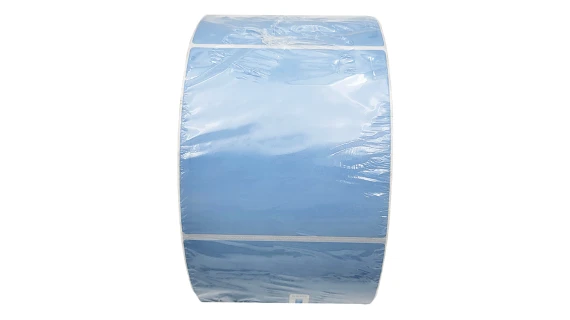
Label Rolls are an integral component in modern labelling systems, catering to the needs of diverse industries.
Label Rolls are an integral component in modern labelling systems, catering to the needs of diverse industries. These rolls are essentially continuous strips of labels wound around a core, designed to simplify and accelerate the labelling process. Their popularity stems from their ability to be used with various types of labelling equipment, including handheld labellers and automated printers, making them a highly versatile choice.
Industries such as retail, manufacturing, logistics, and healthcare frequently rely on label roll to ensure smooth operations. In warehouses and shipping facilities, label roll are instrumental in tracking inventory and managing supply chains. Meanwhile, in retail, they assist in displaying prices, barcodes, and branding on products, ensuring clear and professional presentation.
Label roll are available in a variety of configurations to meet specific needs, including different core sizes, widths, and materials. Many rolls are pre-cut into distinct label shapes, though some come as continuous rolls that can be customised during the printing process. Additionally, their compatibility with various adhesives makes them adaptable to numerous surfaces and environments.
Given the growing emphasis on efficiency and precision, label roll have become a staple in both small-scale operations and large-scale enterprises, providing consistency and reliability in labelling tasks.
Types of Label Roll
Thermal Transfer Label Roll
These label roll require a thermal transfer printer and a ribbon to produce durable, long-lasting prints. They are ideal for barcode labels, product identification, and environments where labels must withstand heat, moisture, or abrasion.
Direct Thermal Label Roll
Direct thermal labels are printed by applying heat directly to the label surface without needing a ribbon. They’re cost-effective and great for short-term use like shipping labels and receipts, but they can fade over time if exposed to heat or sunlight.
Polyester (PET) Label Roll
Made from durable synthetic material, polyester label roll offer excellent resistance to chemicals, moisture, and tearing. These are perfect for industrial applications, outdoor use, and asset tracking where longevity is crucial.
Paper Label Roll
Paper label roll are an economical choice for general-purpose applications like shipping, filing, and pricing. While they’re not as durable as synthetic labels, they work well in everyday environments where long-term durability isn’t needed.
Removable and Repositionable Label Roll
These labels are designed to stick securely but peel away easily without leaving residue. They’re ideal for temporary labeling, promotions, or items that need frequent relabeling without damaging surfaces.
Choosing the Right Label Roll for Your Needs
Selecting the correct label roll begins with understanding the specific requirements of your application. Start by identifying the material best suited for your needs—paper, polyester, or vinyl. Paper is ideal for economical, everyday use, whereas polyester and vinyl offer durability and resistance to harsher conditions such as exposure to moisture, chemicals, or outdoor elements.
Evaluate the adhesive type carefully. Permanent adhesives are suitable for labels that need to remain fixed indefinitely, while removable adhesives allow for repositioning or temporary labelling. High-tack adhesives might be required for rough or textured surfaces. Always consider the environmental conditions, such as temperature or humidity, as these can significantly impact adhesive performance.
Assess the compatibility of the roll with your equipment. Measure the core size and roll width to ensure they match the specifications of your printer or labelling device. Using an incompatible roll can cause operational inefficiencies or damage equipment.
Additionally, consider whether you require pre-cut labels or a continuous roll. Pre-cut options are quicker for repetitive tasks, whereas continuous rolls offer customisation during the printing process.
If unsure about which label roll is most suitable, consult your supplier or request sample rolls for testing. This step ensures you avoid costly errors and select the label roll that meets your operational demands efficiently.
Label Roll Printing Methods
There are various printing methods available for label roll, each suited to different applications. The two most common are thermal printing and digital printing, both offering unique advantages based on the specific needs of your labelling tasks.
Thermal printing is divided into two types: direct thermal and thermal transfer. Direct thermal printing uses heat-sensitive label roll and is ideal for short-term applications such as shipping labels, as the prints may fade over time. Thermal transfer printing, however, uses a ribbon to create more durable, long-lasting labels suitable for environments where labels are exposed to harsh conditions.
Digital printing, meanwhile, excels in producing high-quality, multi-coloured designs with intricate details. It is often preferred for branding purposes where vivid colours and precision are required. Although digital printing is more costly for large quantities, it is ideal for small to medium print runs or where customisation is a priority.
The choice of printing method often depends on the type of label roll material and the intended use. For instance, thermal printing pairs well with paper labels, while digital printing complements materials like polyester or vinyl. Always check compatibility between your printer and the label roll to avoid any interruptions during production.
Benefits of Using Label Roll
Label roll provide unparalleled flexibility for businesses by allowing easy adaptation to a wide range of applications. Their compatibility with various printing methods and labelling devices ensures they can meet both standard and specialized requirements. This adaptability makes them a practical choice for industries where efficiency is a priority.
Another significant advantage of label roll is their ability to streamline processes. With pre-cut or continuous options, they allow for faster labelling, reducing the time spent on repetitive tasks. Customisation capabilities enable businesses to create designs tailored to their branding, such as incorporating logos, colour schemes, and product information with precision.
Additionally, the variety of materials and adhesives available ensures that label roll perform reliably under different conditions, whether in humid warehouses or on outdoor packaging exposed to fluctuating weather. High-quality adhesives ensure labels remain secure, even on irregular surfaces, which is crucial for maintaining professionalism in appearance.
By offering versatility in design and material selection, label roll also support businesses in achieving consistency across their product lines. This consistency enhances the professional presentation of products, leaving a positive impression on consumers. Whether for large-scale operations or smaller ventures, the benefits of label roll extend across operational efficiency and brand identity.
Label Roll Storage and Maintenance
Proper handling of label roll is crucial to prevent damage and ensure optimal performance. When not in use, store label roll upright to maintain their shape and prevent the edges from becoming crushed or misshapen. Always keep rolls in their original packaging until needed to protect them from dust, dirt, and moisture.
When handling label roll, avoid touching the adhesive backing or printing surface, as oils from your hands can compromise adhesive quality or affect print clarity. If rolls are exposed to debris or dust, clean them gently with a lint-free cloth before use.
It is also essential to store rolls in an environment with stable humidity levels, as excess moisture can cause labels to peel or lose adhesion. Conversely, overly dry conditions may lead to brittleness. Regularly inspect stored rolls for signs of deterioration, such as discolouration or adhesive separation.
Ensure that any rolls used are compatible with your printer or labelling equipment, as misaligned rolls can cause unnecessary wear on devices. Rotate your stock frequently, using older rolls first to prevent prolonged storage periods, which might degrade adhesive properties over time. Following these practices can help maintain the quality of your label roll for consistent results in every application.
Common Problems with Label Roll
Label Jamming During Printing
Label jamming is a common issue caused by incorrect loading, misaligned rolls, or using labels that are incompatible with the printer. Ensuring the label roll is loaded correctly and matches the printer’s specifications can help prevent frequent jams.
Poor Print Quality or Faded Labels
Blurry, uneven, or faded prints often result from incorrect printer settings, low-quality label material, or worn print heads. Adjusting print speed and darkness settings, and using the right type of label roll for your printer, can significantly improve print clarity.
Labels Not Sticking Properly
Adhesion problems may occur due to dusty or oily surfaces, unsuitable adhesive types, or extreme temperatures. Choosing the correct adhesive for the application and ensuring surfaces are clean and dry will improve label performance.
Label Curling or Peeling
Label curling can happen when rolls are stored improperly or exposed to humidity and heat. Storing label roll in a cool, dry place and allowing them to acclimate to the printing environment before use can reduce curling issues.
Inconsistent Label Feeding or Skipping
Inconsistent feeding often happens when sensors are dirty or when label gaps are not detected correctly. Cleaning printer sensors regularly and calibrating the printer for the specific label roll size helps ensure smooth, accurate feeding.
Sustainable Options in Label Roll
As environmental concerns continue to shape consumer and business priorities, sustainable label roll are becoming an essential consideration for many organisations. These eco-friendly options include labels produced from recycled materials, helping to reduce waste and conserve natural resources. Additionally, some label roll are designed with biodegradable or compostable adhesives, allowing for responsible disposal without leaving long-lasting environmental effects.
Sustainable label roll are also available in materials derived from renewable resources, such as bamboo or sugarcane fibres. These alternatives provide durability while lessening reliance on traditional, non-renewable materials. For businesses looking to minimise their carbon footprint, opting for label roll with reduced chemical treatments or water usage during manufacturing can further enhance sustainability efforts.
When selecting eco-friendly label roll, it is vital to ensure they meet the required performance standards for your application. Look for options certified by recognised environmental organisations, which verify that the materials and adhesives used align with sustainability criteria. Test these rolls in your specific labelling environment to confirm their compatibility with your printing equipment and adherence to surfaces.
Incorporating sustainable label roll into your operations not only supports environmentally responsible practices but also positions your brand as forward-thinking and mindful of global ecological challenges.
Conclusion
Label Rolls play a crucial role in simplifying labelling processes and enhancing operational efficiency. By tailoring label roll choices to specific needs, businesses can achieve precise results, whether it involves selecting durable materials for harsh environments or opting for customisable designs to reflect unique branding. Thoughtful selection of adhesives, such as removable or high-tack options, ensures labels adhere reliably to a variety of surfaces while remaining functional under varying conditions. To maintain optimal performance, regular equipment checks and proper handling of rolls are essential. This includes aligning rolls correctly within printers and ensuring that the labelling machinery is free from debris to avoid printing or dispensing issues. Sustainable alternatives, such as recycled or compostable label roll, are increasingly available for businesses looking to align with environmentally friendly practices without compromising functionality. Investing time in understanding the compatibility of label roll with your existing labelling systems can prevent inefficiencies, saving both time and resources. With advancements in materials and printing technologies, modern label roll offer versatility and reliability, meeting the demands of industries ranging from healthcare to retail. Businesses that prioritise the right products and maintenance strategies can benefit from consistent labelling solutions that contribute to both operational success and a polished, professional image.
6 FAQS
1. What materials are commonly used for label rolls?
Label rolls are typically made from paper, polyester, or vinyl, each suited for specific applications based on durability and environmental conditions.
2. How do I resolve alignment issues with my label roll?
Check that the roll is correctly positioned in the printer and verify the settings match the label's size and type. Regular printer calibration can also help.
3. Are pre-cut or continuous label roll better for customisation?
Continuous rolls are ideal for customisation as they allow flexibility in creating label sizes and designs during the printing process.
4. Can label roll be used outdoors?
Yes, vinyl or polyester label roll with weather-resistant adhesives are well-suited for outdoor use.
5. How can I clean my printer to maintain print quality?
Gently clean the print head and other components with a lint-free cloth to remove debris or residue that might affect performance.
6. Do sustainable label roll perform as well as traditional ones?
Yes, eco-friendly label roll offer comparable functionality when chosen to suit the intended application.
|
Related Business Listings |
Comments
Login to Comment