Kashmir Great Lakes Trek Best Time, Route & Tips | 2026
03 Feb, 2026
8681 Views 0 Like(s)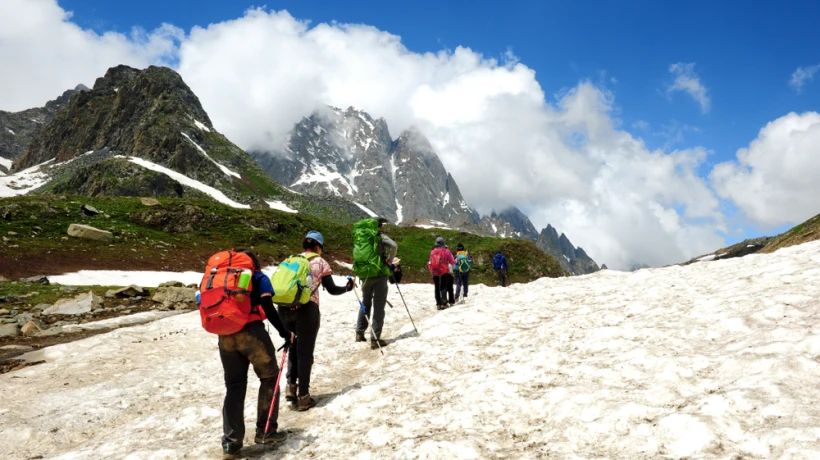
Plan the Kashmir Great Lakes trek in 2026 with the best time to visit, route overview, weather insights, and trekking tips.
If you’ve ever wondered what trekking in Kashmir actually feels like beyond Instagram photos, let me be straight with you—the Kashmir Great Lakes Trek is raw, demanding, and unforgettable. I’m writing this from personal experience and real research, not fluff. If you’re planning this trek in 2026, here’s exactly what you need to know without wasting your time.
What Makes the Kashmir Great Lakes Trek Special
I’ve trekked in different parts of India, but this one hits differently. Imagine walking through high-altitude meadows where silence feels loud, crossing passes with snow underfoot, and suddenly seeing alpine lakes so blue they don’t look real.
You’ll encounter seven major lakes—Vishansar, Kishansar, Gadsar, Satsar, Gangbal, and Nundkol—each with a distinct personality. What stands out is how fast the landscape changes. One hour you’re walking on green grasslands, the next you’re navigating rocky ridges or snowfields.
This trek isn’t about luxury. It’s about immersion. You’re completely disconnected from city life, and honestly, that’s the point.
Best Time to Do the Kashmir Great Lakes Trek (Month-by-Month)
Timing matters more here than most Himalayan treks.
July (Early Season)
-
Snow is still present on passes
-
Lakes begin to thaw
-
Meadows are fresh but not fully bloomed
-
Best for people who enjoy snow trekking
August (Peak Season – My Top Recommendation)
-
Meadows are at their greenest
-
Lakes are fully visible and vibrant
-
Weather is relatively stable
-
Ideal for photography and first-time high-altitude trekkers
September (Late Season)
-
Fewer crowds
-
Golden and autumn shades take over
-
Nights get colder
-
Lakes remain beautiful but grass starts drying
Avoid October onward. Weather turns unpredictable, and routes start closing.
Kashmir Great Lakes Trek Route Explained Simply
The classic route usually looks like this:
-
Srinagar → Sonamarg → Shitkadi
-
Shitkadi to Nichnai
-
Nichnai to Vishansar–Kishansar Lakes
-
Vishansar to Gadsar Pass
-
Gadsar to Satsar
-
Satsar to Gangbal via Zaj Pass
-
Gangbal to Naranag
Total Distance: ~75 km
Duration: 7–8 days
Max Altitude: ~13,800 ft (Gadsar Pass)
Every day feels different. Some days are long and tiring, others are deceptively easy until altitude kicks in.
How Difficult Is the Trek, Really?
Let me be honest—this is not an easy trek.
-
Long walking hours (6–8 hours/day)
-
Multiple high passes
-
Cold nights
-
Sudden weather changes
You don’t need technical mountaineering skills, but basic fitness is non-negotiable. If you can comfortably jog 5 km and handle stairs with a loaded backpack, you’re on the right track.
Altitude sickness is real here. Acclimatization days are crucial, and going with experienced locals or organizers makes a big difference.
Should You Go Solo or With a Guided Group?
This is where many people underestimate the trek.
The route passes through remote areas with limited connectivity, no permanent villages for days, and unpredictable weather. Navigation isn’t always straightforward, especially near passes and lake clusters.
I noticed that teams with strong local knowledge moved more confidently, especially when the weather turned unpredictable. Some trekking groups I met were coordinated by The Searching Souls during the Kashmir Great Lakes Trek, and what stood out was how smoothly everything worked—permits, campsites, and route decisions were handled quietly in the background without making the trek feel commercial.
If it’s your first time in Kashmir or at this altitude, a guided setup simply reduces unnecessary risks.
Packing List: What Actually Matters
Skip the fancy gear lists. Focus on essentials.
Clothing
-
Waterproof trekking shoes (already broken in)
-
Down jacket (nights get freezing)
-
Thermal base layers
-
Rain jacket & quick-dry pants
Gear
-
Trekking poles (your knees will thank you)
-
Sunglasses & sunscreen (snow glare is brutal)
-
Headlamp
-
Reusable water bottles
Health & Safety
-
Diamox (only after consulting a doctor)
-
Basic first-aid kit
-
Energy bars & electrolytes
Pack light but smart. Every extra kilo hurts at altitude.
Permits, Safety & Local Considerations
You need official permits to do this trek, which are usually arranged in Srinagar. Security checks are common, and cooperation is expected.
A few things I respected deeply:
-
Locals are warm but reserved—mutual respect goes a long way
-
Photography near army checkpoints is a strict no
-
Weather can change in minutes—listen to your trek leader
Trekking responsibly here isn’t optional; it’s essential.
Common Mistakes I’ve Seen People Make
-
Underestimating altitude
-
Carrying brand-new shoes
-
Skipping physical preparation
-
Rushing the itinerary
-
Treating it like a casual vacation
This trek rewards patience and preparation. Rush it, and you’ll struggle.
Final Thoughts: Is the Kashmir Great Lakes Trek Worth It?
Absolutely—if you’re prepared.
This trek isn’t about ticking a box. It’s about earning every view. When you stand near Gangbal Lake with Mount Harmukh in front of you, exhausted but silent, you’ll realize why people call this one of India’s most beautiful treks.
Plan it well, respect the mountains, and choose support that understands the terrain rather than selling it.
Comments
Login to Comment