IVF and Mitochondrial Health: How Egg Energy Drives Success
19 Jun, 2026
1303 Views 0 Like(s)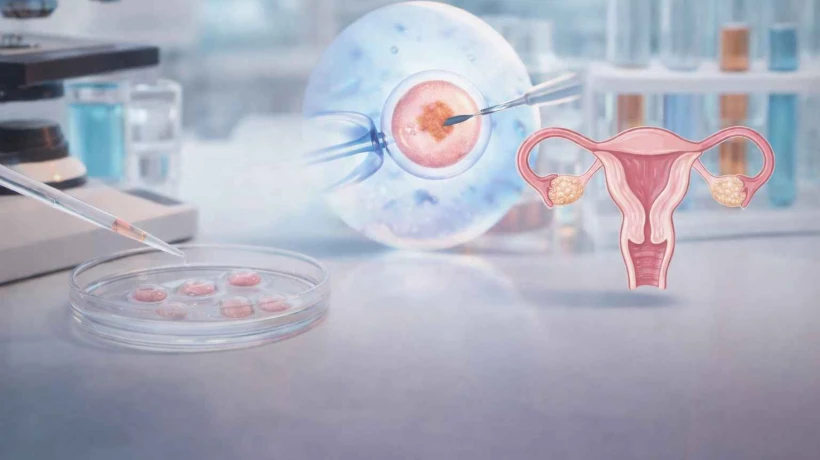
Mitochondrial function inside eggs is one of the most important and least discussed determinants of IVF success. This guide explains what it means, why it declines, and how to protect it before treatment.
Inside every human egg, tucked within the cytoplasm that surrounds the nucleus, are between 100,000 and 500,000 mitochondria. No other human cell contains anything close to this number. A typical liver cell contains a few thousand mitochondria. A muscle cell, which has extraordinarily high energy demands, contains between 1,000 and 2,000. The extraordinary mitochondrial density of the mature oocyte reflects the extraordinary energy demands of a cell that must complete two meiotic divisions, survive fertilisation, sustain the earliest embryo cell divisions, and provide the entire initial energy supply for a new human life before the embryo's own mitochondria begin to contribute meaningfully to its energy needs.
This mitochondrial abundance in the egg is not incidental to IVF outcomes. It is central to them. The energy production capacity of the oocyte's mitochondria, the integrity of the mitochondrial DNA that encodes the proteins required for that production, and the protective antioxidant environment that prevents oxidative damage to the mitochondrial machinery are among the most fundamental determinants of egg quality, fertilisation success, embryo developmental competence, and ultimately the probability of a successful pregnancy from any given IVF cycle.
What is remarkable about mitochondrial health in the context of IVF is that it is not fixed. The mitochondrial function of developing eggs in the months before retrieval is shaped by the nutritional, environmental, and lifestyle conditions of that preparation period, making it one of the most genuinely modifiable dimensions of egg quality available to couples preparing for treatment. Understanding how mitochondrial function influences IVF outcomes, what impairs it, and what the evidence supports for improving it gives couples access to one of the most biologically important and most practically actionable aspects of their pre-cycle preparation.
What Mitochondria Do Inside the Developing Egg
Mitochondria are the cellular organelles responsible for producing adenosine triphosphate, ATP, the universal energy currency of biological processes, through a process called oxidative phosphorylation that occurs along the inner mitochondrial membrane. ATP is required for every energy-dependent cellular process, and in the oocyte, the list of energy-dependent processes that must occur successfully for an IVF cycle to succeed is extensive and sequentially critical.
The completion of the first meiotic division, in which the primary oocyte with its duplicated DNA divides to produce the secondary oocyte and the first polar body, requires the energy-intensive assembly and function of the meiotic spindle, the protein structure that segregates chromosomes with extraordinary precision into the two daughter cells. Spindle assembly, chromosome alignment on the spindle, kinetochore-microtubule attachment, and the force generation required for chromosome segregation are all energy-dependent processes whose accuracy depends on adequate ATP availability from the oocyte mitochondria.
When mitochondrial ATP production is insufficient for spindle assembly and function, the probability of chromosomal segregation errors increases, producing the aneuploid oocytes that result in aneuploid embryos, failed implantation, and early pregnancy loss. This mitochondrial energy-to-aneuploidy connection is one of the most mechanistically important pathways through which the age-related decline in mitochondrial function translates into the age-related increase in aneuploid eggs that drives the falling IVF success rates of older patients.
Following fertilisation, the embryo's initial cell divisions from one cell to two, four, eight, and sixteen cells occur entirely on the ATP supply from the mitochondria inherited from the egg. The sperm contributes virtually no mitochondria of its own, as paternal mitochondria are actively eliminated in the hours following fertilisation. The embryonic genome does not activate until day three of development, meaning that for the first three days the embryo is entirely dependent on maternal gene products and maternal mitochondrial energy production for the cellular machinery of its own development.
Embryos with adequate mitochondrial energy production progress through these early divisions smoothly and regularly, with equal-sized cells dividing at predictable intervals. Embryos with impaired mitochondrial ATP production show irregular division patterns, unequal cell sizes, high fragmentation rates, and early developmental arrest that is the most common cause of the attrition from retrieved eggs to transferable blastocysts that IVF patients experience.
Mitochondrial DNA and Its Unique Vulnerabilities
Unlike the nuclear DNA that carries the chromosomal genetic information assessed in PGT-A and that is protected by histone proteins and extensive enzymatic repair systems, the mitochondrial DNA that encodes thirteen essential proteins of the oxidative phosphorylation machinery is located within the mitochondrion itself, adjacent to the reactive oxygen species that the electron transport chain generates as byproducts of energy production.
This proximity to endogenous oxidant production makes mitochondrial DNA one of the most oxidatively challenged molecules in the cell. Mitochondrial DNA has limited protective proteins compared to nuclear DNA and less efficient repair mechanisms for the DNA damage that oxidative stress produces. The result is that mitochondrial DNA accumulates mutations at a rate substantially higher than nuclear DNA, and this accumulation progressively impairs the function of the proteins encoded by the affected mitochondrial genes.
In the oocyte, which is not dividing during most of its adult life and cannot dilute accumulated mitochondrial DNA mutations through cell division the way somatic cells can, this mutation accumulation is particularly consequential. An egg that has spent forty years in the ovary has been exposed to forty years of intraovarian oxidative stress during which its mitochondrial DNA has been accumulating damage without the capacity for dilution or selective elimination that would occur in dividing cells.
This progressive mitochondrial DNA damage accumulation is one of the primary biological mechanisms of age-related egg quality decline. Studies directly measuring mitochondrial DNA mutation burden in human oocytes have found significantly higher mutation rates in eggs from older women compared to younger women, and these higher mutation burdens correlate with the worse fertilisation rates, higher embryo arrest rates, and lower clinical pregnancy rates that characterise IVF in older patients.
The Age-Related Decline in Mitochondrial Function
The relationship between maternal age and mitochondrial function in oocytes is one of the most clearly documented and most clinically significant biological phenomena in reproductive medicine, because it provides a cellular mechanism for the clinical observation that IVF success rates decline markedly with advancing age in ways that ovarian reserve testing does not fully explain.
A woman with a high AMH at forty-two is predicted to produce more eggs per cycle than a woman with low AMH at the same age, but the per-egg probability of success remains lower in both cases compared to younger women, because the egg quality variable, which includes mitochondrial function, declines with age independently of egg quantity.
Research directly measuring mitochondrial ATP production in human oocytes has found age-related reductions in oocyte ATP content that correlate with fertilisation rates, blastocyst development rates, and chromosomal normality rates in the same cohort of eggs. Older oocytes produce less ATP per mitochondrion and show higher rates of mitochondrial dysfunction including membrane potential impairment and electron transport chain complex activity reduction that collectively reduce the energy available for the cellular processes that egg maturation, fertilisation, and early embryo development require.
The age-related decline in coenzyme Q10, the lipid-soluble molecule that functions as an electron carrier in the mitochondrial electron transport chain, is one of the most directly actionable aspects of the age-mitochondrial function relationship in the IVF preparation context. Endogenous CoQ10 production declines by approximately thirty to fifty percent between the ages of twenty and fifty, and this declining CoQ10 availability directly impairs the efficiency of oxidative phosphorylation and removes one of the primary antioxidant defences against mitochondrial DNA damage in the oocyte environment.
What Impairs Mitochondrial Health Before IVF
Beyond age, several clinical conditions and lifestyle factors specifically impair oocyte mitochondrial function in ways that are clinically relevant for patients at any age approaching IVF.
Oxidative stress from the sources discussed in detail in the oxidative stress guide, including endometriosis, PCOS, obesity, smoking, alcohol, and environmental toxin exposure, damages mitochondrial DNA and impairs electron transport chain function through the mechanisms described in that guide. The mitochondrial DNA, being more exposed to reactive oxygen species than nuclear DNA and less efficiently repaired, is the primary target of oxidative stress-mediated fertility damage in the oocyte.
Nutritional deficiencies in the specific micronutrients required for mitochondrial function, including CoQ10, B vitamins required for the TCA cycle and for cofactor synthesis, magnesium required for ATP stability as the MgATP complex, and iron required for the iron-sulfur cluster proteins of the electron transport chain, directly reduce the metabolic capacity of oocyte mitochondria in ways that impair the energy production those mitochondria must provide for successful egg development.
Thyroid dysfunction, whose comprehensive discussion is provided in the thyroid health guide, impairs mitochondrial function through thyroid hormone's role as a primary regulator of mitochondrial biogenesis, the process by which cells produce new mitochondria to maintain their energy production capacity. Hypothyroidism reduces mitochondrial biogenesis and impairs oxidative phosphorylation efficiency in multiple tissues including reproductive tissues, providing another mechanistic connection between thyroid function and egg quality.
Insulin resistance generates mitochondrial dysfunction through the glucolipotoxicity of chronically elevated glucose and free fatty acids that impair mitochondrial membrane integrity and electron transport chain function in the ovarian environment. The mitochondrial dysfunction associated with insulin resistance and type 2 diabetes is one of the primary mechanisms through which metabolic disease impairs egg quality independently of the hormonal dysregulation that is more commonly discussed in the fertility context.
CoQ10: The Most Evidence-Supported Mitochondrial Intervention
Coenzyme Q10 is the most extensively studied and most evidence-supported individual intervention for improving oocyte mitochondrial function in the IVF preparation context, and its mechanisms make it the most logical starting point for any mitochondrial support programme.
CoQ10 functions as the mobile electron carrier that transfers electrons from complexes I and II of the electron transport chain to complex III, a step that is rate-limiting for oxidative phosphorylation efficiency when CoQ10 is deficient. Its presence in adequate concentrations in the inner mitochondrial membrane is therefore directly required for maximal ATP production per mitochondrion, and its deficiency directly reduces the ATP output per unit of mitochondrial mass.
Simultaneously, CoQ10 in its reduced ubiquinol form is one of the most potent lipid-soluble antioxidants within the mitochondrial inner membrane, directly scavenging the superoxide and other reactive species generated at complexes I and III before they can damage the adjacent mitochondrial DNA. This dual role as electron carrier and antioxidant makes CoQ10 uniquely relevant to the two primary mechanisms of mitochondrial function impairment in aging oocytes, energy production efficiency and oxidative DNA damage.
Clinical research on CoQ10 supplementation in IVF has produced encouraging findings, particularly in older patients and poor responders where mitochondrial dysfunction is most likely to be clinically significant. A landmark randomised controlled trial in older poor responder patients found significantly higher fertilisation rates and blastocyst development rates in the CoQ10 supplementation group compared to placebo, with improvements in peak estradiol levels and mature egg proportions also noted. Subsequent studies have replicated the direction of these findings across different patient populations with variable magnitudes of effect.
The critical timing requirement for CoQ10 is that it must be supplemented for three to four months before egg retrieval to allow adequate accumulation in the ovarian tissue where developing follicles can access it. CoQ10 in the blood does not immediately reach the mitochondria of developing follicles in clinically meaningful concentrations. It must first be incorporated into tissue, then taken up into the follicular fluid, then accessed by granulosa cells and ultimately by the oocyte over the extended follicular development period. Beginning supplementation the week before stimulation provides negligible mitochondrial benefit. Beginning three to four months before anticipated retrieval allows the full preparation window to be utilised.
The evidence-supported dose range for IVF preparation is 200 to 600 mg daily of either ubiquinol, the reduced form that is directly active in the electron transport chain, or ubiquinone, the oxidised form that is converted to ubiquinol within cells. Ubiquinol is generally considered more bioavailable because it does not require the conversion step that ubiquinone depends on, which is particularly relevant for older patients in whom the enzymatic conversion capacity may itself be age-reduced.
PQQ and Mitochondrial Biogenesis: An Emerging Complement to CoQ10
Pyrroloquinoline quinone, PQQ, is a redox cofactor that has attracted research interest in the mitochondrial health context because of its ability to stimulate mitochondrial biogenesis, the production of new mitochondria, through activation of PGC-1 alpha, the transcriptional coactivator that regulates mitochondrial number and function in response to cellular energy demands.
Unlike CoQ10, which supports the function of existing mitochondria, PQQ potentially addresses mitochondrial quantity by stimulating the production of new, functional mitochondria to supplement the population of aging, mutation-bearing mitochondria that accumulate in oocytes over time. This complementary mechanism, addressing quantity of functional mitochondria rather than simply the efficiency of existing ones, makes PQQ a theoretically logical companion to CoQ10 in a comprehensive mitochondrial support programme.
The evidence base for PQQ in the specific IVF context is substantially less developed than for CoQ10, with most research conducted in cell culture and animal models rather than human clinical studies. However, the absence of significant toxicity at research doses combined with the strength of the biological rationale makes PQQ a reasonable consideration in discussions with the clinical team, with the understanding that its evidence base is preliminary rather than established.
Mitochondrial Transfer: The Research Frontier
At the furthest frontier of mitochondrial medicine in IVF, research has explored the possibility of supplementing or replacing the mitochondria in eggs of older patients with mitochondria from young donors as a means of directly addressing age-related mitochondrial decline at its cellular source.
Several approaches have been studied in research settings. Autologous mitochondrial transfer, in which mitochondria from the patient's own oogonial stem cells or granulosa cells are injected into her oocytes before fertilisation, attempts to supplement the aging oocyte mitochondrial population with younger mitochondria from the same patient. Heterologous approaches using donor oocyte mitochondria have also been explored in some regulatory jurisdictions.
The clinical research on these approaches remains at early stages, with limited patient numbers and variable outcomes across different research groups. Regulatory frameworks governing mitochondrial manipulation of human embryos vary significantly between countries and limit the clinical application of these approaches in most settings. These techniques are therefore genuinely experimental rather than available clinical options, and they are mentioned here to contextualise the broader scientific interest in mitochondrial function as a primary driver of egg quality rather than to suggest they represent a currently accessible treatment pathway.
Building a Mitochondrial Health Strategy for IVF
A practical mitochondrial health strategy for IVF preparation integrates the specific targeted interventions discussed above within the broader preparation framework that addresses all dimensions of egg quality simultaneously.
CoQ10 at 400 to 600 mg daily in ubiquinol form, beginning three to four months before anticipated retrieval, is the foundation of the mitochondrial support programme with the strongest specific evidence base. Maintaining this supplementation through the stimulation phase and up to retrieval ensures that the protective and energetic benefits are present throughout the follicular maturation period most directly relevant to retrieval outcomes.
Comprehensive antioxidant support through vitamins C and E, selenium, and a Mediterranean dietary pattern rich in polyphenols and omega-3 fatty acids protects the mitochondrial DNA and membrane integrity from the oxidative damage that is the primary acquired mechanism of mitochondrial function decline in oocytes of any age.
Addressing the specific clinical conditions and lifestyle factors that amplify mitochondrial oxidative stress, including endometriosis management, insulin resistance treatment, smoking cessation, and alcohol reduction, removes the most significant active contributors to ongoing mitochondrial damage during the preparation period.
Optimising thyroid function to the fertility-specific target discussed in the thyroid health guide supports the mitochondrial biogenesis that thyroid hormone drives, maintaining the cellular capacity to produce new mitochondria throughout the preparation and stimulation phases.
Ensuring adequate sleep quality to maximise the melatonin protection of mitochondrial DNA from oxidative damage, as discussed in the sleep and melatonin guides, completes the mitochondrial support framework with one of the most accessible and most consistently overlooked preparation interventions available.
Connecting with an experienced Fertility Clinic in Jaipur that understands mitochondrial health as a genuine clinical dimension of egg quality preparation rather than a peripheral supplement consideration, provides CoQ10 and mitochondrial support guidance as a standard component of its pre-cycle preparation programme, and integrates this guidance within a comprehensive approach to the biological optimisation of the preparation period ensures that the cellular energy foundation of your IVF cycle is addressed with the scientific depth and practical specificity it deserves.
What Mitochondrial Health Cannot Fix
An honest guide to mitochondrial health in IVF must acknowledge what improving mitochondrial function can and cannot achieve, to calibrate expectations appropriately and avoid the overclaiming that sometimes surrounds this area of fertility science.
Mitochondrial support interventions can improve the cellular energy environment in which eggs complete their maturation, potentially reducing the proportion of chromosomal segregation errors attributable to inadequate spindle energy supply and improving the ATP availability for early embryo development. In patients where mitochondrial function impairment is a significant contributor to poor egg quality, these interventions can produce meaningful improvements in fertilisation rates, embryo developmental quality, and potentially clinical pregnancy rates.
What mitochondrial supplementation cannot do is reverse the accumulated mitochondrial DNA mutations of decades of oxidative exposure, replace the mitochondrial mass that has been lost through years of age-related mitochondrial turnover, or compensate for severely diminished ovarian reserve where the number of eggs available is the primary limiting factor rather than the quality of individual eggs.
For younger patients with good ovarian reserve, mitochondrial support may provide benefit at the margin of outcomes that are already favourable. For older patients or poor responders where mitochondrial function impairment is more likely to be a significant quality limitation, the benefit may be more clinically meaningful. For patients with severely diminished reserve where egg quantity is the primary challenge, the clinical conversation about egg quality optimisation through mitochondrial support must be balanced honestly against the realistic limitations of what optimisation can achieve when the available egg numbers are very small.
For expert, individually calibrated mitochondrial health guidance that is placed within an honest and complete assessment of all the factors determining your IVF prognosis, a trusted IVF Hospital in Jaipur with genuine expertise in the cellular biology of egg quality and a commitment to evidence-based, transparent patient communication gives your IVF preparation the most scientifically grounded and most realistically framed mitochondrial support available.
Final Thoughts
The mitochondria inside your eggs are not a background detail of reproductive biology. They are the energy engines on which everything else that happens in your IVF cycle depends, from the chromosomal precision of egg maturation to the developmental competence of the embryo that your eggs become. Their health is modifiable, their decline is partly addressable, and the preparation window before IVF is the time during which targeted, sustained effort to optimise their function has the most direct biological impact on the outcomes you are pursuing.
Begin early. Supplement consistently for the full three to four months. Address the oxidative and metabolic contributors to mitochondrial damage. And enter your cycle with the most thoroughly energised eggs that your preparation period can produce.
The energy that powers the beginning of new life deserves every effort you can make to protect it.
Disclaimer: This article is intended for informational purposes only and does not constitute medical advice. Please consult a qualified fertility specialist before beginning any supplementation programme, and for guidance tailored to your individual health and treatment needs.


Comments
Login to Comment