How to Build a Strong Brand Presence Across Review Platforms
19 Jun, 2026
1313 Views 0 Like(s)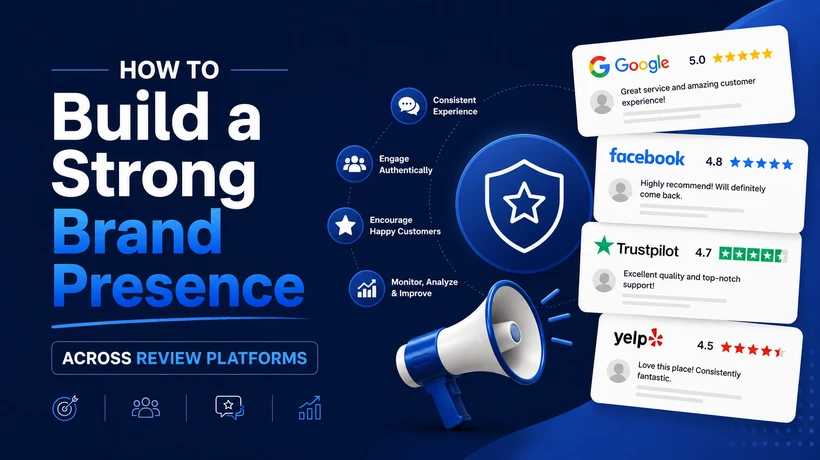
Review platforms also contribute significantly to search engine visibility. Search engines consider review signals when determining rankings, especially for local businesses. Strong review profiles can help businesses appear more prominently in search results and map listings.
In today's digital-first marketplace, customers rarely make purchasing decisions without first checking online reviews. Whether they are searching for a local business, comparing software providers, or evaluating service-based companies, review platforms have become one of the most influential sources of information. A strong brand presence across these platforms is no longer optional—it is essential for building trust, attracting new customers, and maintaining a competitive edge.
Consumers rely on reviews because they provide real-world experiences from other customers. Positive reviews can encourage prospects to choose your business, while negative feedback can quickly drive them toward competitors. However, simply collecting reviews is not enough. Businesses must actively manage their reputation, engage with customers, and maintain a consistent presence across multiple review platforms.
Why Review Platforms Matter
Review platforms serve as digital word-of-mouth marketing channels. They influence purchasing decisions, impact local search rankings, and shape public perception of your brand.
When potential customers see a business with numerous positive reviews, prompt responses, and active engagement, they are more likely to trust that company. Conversely, outdated profiles, unanswered complaints, and inconsistent information can raise concerns.
Review platforms also contribute significantly to search engine visibility. Search engines consider review signals when determining rankings, especially for local businesses. Strong review profiles can help businesses appear more prominently in search results and map listings.
Identify the Most Important Review Platforms
The first step in building a strong presence is determining where your customers are most likely to leave feedback.
Depending on your industry, the most relevant platforms may include:
-
Google Business Profile
-
Yelp
-
Trustpilot
-
Facebook Reviews
-
TripAdvisor
-
G2
-
Capterra
-
Better Business Bureau
-
Industry-specific review websites
Rather than attempting to manage every platform available, focus on those that have the greatest influence on your target audience.
For example:
-
Restaurants may prioritize Google, Yelp, and TripAdvisor.
-
Software companies may focus on G2 and Capterra.
-
Healthcare providers may emphasize medical review sites.
-
E-commerce brands may concentrate on Trustpilot and Google Reviews.
Understanding where customers are actively sharing experiences allows businesses to allocate resources effectively.
Claim and Optimize Your Profiles
Many businesses overlook the importance of claiming their profiles on major review platforms. Unclaimed listings often contain incomplete or outdated information, which can create confusion for customers.
Once a profile is claimed, optimize it by including:
Accurate Business Information
Ensure that your:
-
Business name
-
Address
-
Phone number
-
Website URL
-
Operating hours
remain consistent across all platforms.
Consistency helps improve trust among customers and supports local SEO performance.
Professional Branding
Upload:
-
High-quality logos
-
Cover photos
-
Product images
-
Team photos
-
Office or storefront images
Visual content helps create a more professional and trustworthy impression.
Detailed Business Descriptions
Write compelling descriptions that explain:
-
What your business offers
-
Your unique value proposition
-
Key services or products
-
Company mission and values
A well-crafted profile gives potential customers confidence before they even read reviews.
Encourage Customers to Leave Reviews
One of the biggest challenges businesses face is generating a steady flow of authentic customer reviews.
Many satisfied customers simply forget to leave feedback unless they are encouraged to do so.
Effective methods include:
Post-Purchase Follow-Ups
Send follow-up emails after a purchase or completed service asking customers to share their experience.
The request should be:
-
Friendly
-
Personalized
-
Simple to complete
Providing a direct review link can significantly increase participation.
SMS Review Requests
Text messages often achieve higher engagement rates than emails.
A brief message thanking customers and inviting them to leave feedback can produce strong results.
Website Review Prompts
Include review invitations on:
-
Thank-you pages
-
Customer portals
-
Account dashboards
Making the process convenient increases the likelihood of participation.
In-Store Requests
For physical businesses, staff members can politely ask satisfied customers to leave a review after a positive interaction.
However, businesses should never pressure customers or offer incentives that violate platform policies.
Respond to Every Review
Review management is about more than collecting ratings. Customer engagement plays a critical role in shaping public perception.
Responding to reviews demonstrates that your business values customer feedback and takes customer experiences seriously.
Responding to Positive Reviews
Thank customers for their support and acknowledge their specific comments whenever possible.
For example:
"Thank you for sharing your experience. We're glad our team was able to help and appreciate your kind words."
Personalized responses create stronger customer relationships and encourage future engagement.
Responding to Negative Reviews
Negative reviews can feel discouraging, but they also present opportunities to demonstrate professionalism.
When responding:
-
Stay calm and respectful.
-
Acknowledge the customer's concerns.
-
Apologize when appropriate.
-
Offer to resolve the issue privately.
-
Avoid defensive language.
Potential customers often pay close attention to how businesses handle criticism. A thoughtful response can sometimes leave a stronger impression than the original complaint.
Maintain Consistency Across Platforms
Customers often compare information from multiple review sites before making decisions.
Inconsistent messaging can weaken trust.
Maintain consistency in:
Brand Voice
Whether responding to reviews on Google, Trustpilot, or Facebook, your communication style should reflect your brand personality.
Visual Identity
Use the same:
-
Logo
-
Brand colors
-
Images
-
Business descriptions
This creates a recognizable and professional brand experience.
Customer Service Standards
Every interaction should reflect the same commitment to customer satisfaction regardless of the platform.
Consistency reinforces credibility and strengthens brand recognition.
Monitor Reviews Regularly
Businesses cannot effectively manage their reputation if they only check review platforms occasionally.
Establish a regular monitoring process.
Review monitoring helps businesses:
-
Identify customer concerns early
-
Detect recurring issues
-
Track customer satisfaction trends
-
Respond quickly to feedback
Many reputation management tools can consolidate reviews from multiple platforms into a single dashboard, making monitoring more efficient.
The faster a business responds to reviews, the more engaged and trustworthy it appears.
Turn Negative Feedback into Business Improvements
Negative reviews often contain valuable insights.
Rather than viewing criticism as a threat, businesses should treat it as a source of customer intelligence.
Analyze reviews for recurring themes such as:
-
Slow response times
-
Product quality concerns
-
Delivery issues
-
Communication problems
-
Service inconsistencies
Identifying patterns allows businesses to make meaningful improvements.
When customers see businesses actively addressing concerns, trust and loyalty often increase.
Showcase Positive Reviews
Customer testimonials can become powerful marketing assets.
Highlight positive reviews across various marketing channels, including:
Website Testimonials
Feature strong reviews on:
-
Homepages
-
Service pages
-
Landing pages
Testimonials provide social proof that supports conversion efforts.
Social Media Content
Transform customer feedback into:
-
Graphics
-
Videos
-
Success stories
This extends the reach of positive customer experiences.
Email Marketing
Including customer testimonials in email campaigns can reinforce trust and improve engagement.
By amplifying positive feedback, businesses maximize the value of their reviews beyond the platforms where they were originally posted.
Build a Customer-Centric Culture
The most effective review strategy begins long before customers leave feedback.
Businesses that consistently deliver excellent customer experiences naturally earn stronger reviews.
A customer-centric culture involves:
-
Prioritizing customer satisfaction
-
Training employees effectively
-
Resolving issues promptly
-
Exceeding customer expectations
When customer experience becomes a core business priority, positive reviews become a natural outcome rather than a marketing objective.
Use Reviews to Strengthen SEO
Reviews contribute significantly to search visibility.
Search engines view reviews as trust signals that help determine local rankings.
To improve SEO benefits:
-
Generate reviews consistently.
-
Encourage detailed customer feedback.
-
Maintain accurate business information.
-
Respond to reviews regularly.
-
Build profiles on authoritative platforms.
A strong review ecosystem can improve both visibility and credibility.
For local businesses, this can directly influence lead generation and customer acquisition.
Track Key Reputation Metrics
Successful review management requires ongoing measurement.
Monitor metrics such as:
Average Rating
Track overall rating performance across platforms.
Review Volume
Measure how many reviews are being generated over time.
Response Rate
Monitor how consistently your team responds to customer feedback.
Response Time
Evaluate how quickly reviews receive responses.
Sentiment Trends
Analyze whether customer sentiment is improving, declining, or remaining stable.
These insights help businesses refine their reputation management strategies and identify areas for improvement.
Common Mistakes to Avoid
Many businesses unintentionally damage their reputation efforts through avoidable mistakes.
Common pitfalls include:
Ignoring Reviews
Unanswered reviews can make customers feel unheard.
Buying Fake Reviews
Fake reviews violate platform guidelines and can severely damage credibility.
Arguing with Customers
Public disputes rarely benefit businesses and can deter potential customers.
Inconsistent Information
Different contact details across platforms create confusion.
Only Focusing on Negative Reviews
Positive reviews deserve attention as well. Acknowledging happy customers strengthens relationships and encourages loyalty.
Avoiding these mistakes helps create a more authentic and trustworthy online presence.
The Future of Review Management
Consumer trust increasingly depends on transparency and authenticity.
As review platforms continue evolving, businesses will need to become even more proactive in managing their online reputation.
Emerging trends include:
-
AI-powered sentiment analysis
-
Enhanced review verification systems
-
Video testimonials
-
Real-time customer feedback tools
-
Integrated reputation management platforms
Businesses that embrace these developments will be better positioned to build long-term trust and maintain a competitive advantage.
Conclusion
Building a strong brand presence across review platforms requires more than simply collecting positive ratings. It involves creating accurate profiles, encouraging authentic feedback, engaging with customers, responding professionally to reviews, and continuously improving the customer experience.
In a marketplace where trust drives purchasing decisions, review platforms have become one of the most powerful influences on brand perception. Companies that actively manage their presence across these channels can strengthen credibility, improve customer relationships, enhance search visibility, and ultimately drive sustainable business growth.
A well-managed review strategy is not just a reputation management initiative—it is a long-term investment in brand trust, customer loyalty, and business success.



Comments
Login to Comment