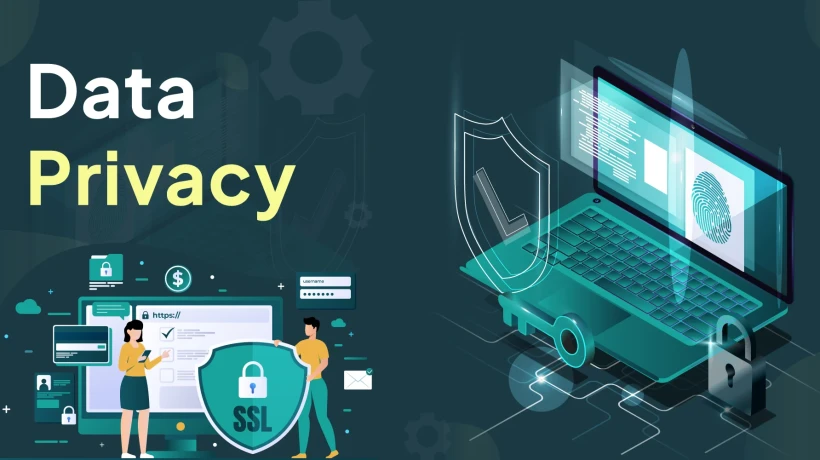
With every click, tap, purchase, and search, we leave behind digital footprints. In 2026, our lives are more connected than ever—smart home devices listen to our commands, AI assistants learn our habits, and apps constantly track our location. While technology has made daily life easier, it has also made personal data a valuable commodity, often more valuable than money itself. This brings us to an important question: Is your data really safe in 2026?
The New Currency: Your Data
In today’s digital economy, data is the new oil. Companies collect information such as:
This data is used to personalize ads, improve services, and build AI systems that predict our behavior. But while personalization sounds convenient, it also opens doors to privacy risks when data is misused, stolen, or sold without transparency.
More Connected, More Vulnerable
The rise of smart devices has expanded the gaps in digital privacy. In 2026, we rely on:
-
Smart TVs
-
Voice assistants (Alexa, Siri, Google Assistant)
-
Wearables and health trackers
-
Connected cars
-
IoT home devices (cameras, smart locks, refrigerators)
Each device communicates with servers, collects personal information, and often shares data with third parties. A simple smart camera can capture daily routines, while a fitness tracker knows your heart rate and medical patterns. The more we connect, the more data we expose.
AI Complicates Privacy
Artificial intelligence is becoming smarter, able to detect emotions, analyze faces, and interpret conversations. AI models are trained on massive datasets—often containing real user data. If handled irresponsibly, this data can lead to:
Deep learning systems can reconstruct identities even from anonymized data. In other words, even when companies claim that data is “private,” AI may still decode who you are.
Cybercrime Is Getting Smarter Too
Data isn’t just valuable to companies—it’s extremely profitable to hackers. Cybercrime in 2026 is more sophisticated due to:
A hacked bank account is dangerous, but consider a hacked smart lock or car. Cybercriminals are no longer after money alone; they want control.
Are Governments Protecting Your Privacy?
Around the world, governments are stepping in with new laws. Regulations like GDPR in Europe and expanded data protection acts in countries such as India and the U.S. are forcing companies to be more transparent. These rules demand:
-
User consent before collecting data
-
Clear privacy policies
-
Right to delete your data
-
Protection against unauthorized tracking
However, governments also collect data for surveillance, security, and digital governance. This creates a balance issue—how much should the state monitor its citizens?
How You Can Protect Your Data in 2026
While regulation helps, your privacy ultimately depends on your digital habits. Here are smarter practices to follow:
✔ Use strong, unique passwords with two-factor authentication
✔ Disable unnecessary app permissions like camera and location access
✔ Encrypt your data using secure software and VPNs
✔ Regularly update your devices to patch security flaws
✔ Avoid public Wi-Fi for sensitive tasks
✔ Read privacy settings instead of accepting defaults
Digital awareness is your first line of defense.
Conclusion
In 2026, digital privacy is not just a technical issue—it’s a personal responsibility. Your data shapes how companies treat you, how governments see you, and how criminals target you. As we enjoy the benefits of AI, smart devices, and cloud services, we must also be vigilant. The future of privacy depends on a shared effort between governments, companies, and individuals. Your data is your identity—protect it like your life depends on it, because in many ways, it does.

Comments
Login to Comment