Is Teeth Whitening suitable for first-time patients
28 Aug, 2026
513 Views 0 Like(s)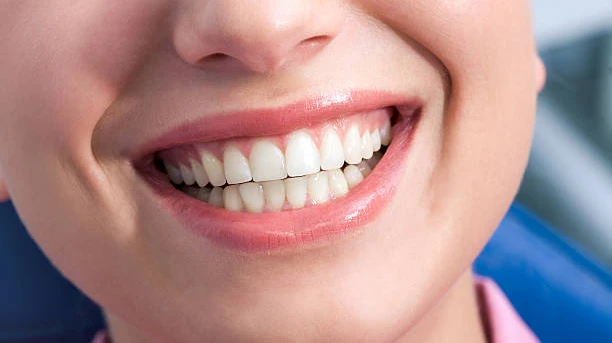
Teeth whitening can be a suitable first cosmetic treatment, offering a simple way to brighten your smile with professional guidance and care.
Teeth whitening can be an appealing option for anyone hoping to achieve a brighter, fresher-looking smile, especially when discoloration has developed over time. For someone considering the treatment for the first time, questions about suitability, preparation, and expected results are completely natural. When exploring Teeth Whitening in Abu Dhabi, first-time patients can benefit from understanding how professional whitening works, what factors are assessed before treatment, and why a personalized approach can help create a natural-looking result.
What Is Teeth Whitening?
Teeth whitening is a cosmetic dental treatment designed to lighten the appearance of natural teeth. Whitening agents interact with pigments responsible for discoloration, reducing their intensity and allowing the teeth to look brighter.
Tooth color can change because of aging, staining from pigmented foods and beverages, tobacco exposure, or natural variations in enamel and dentin. Whitening is intended to address suitable discoloration while preserving the underlying structure of natural teeth.
For first-time patients, understanding that whitening enhances natural tooth color rather than simply applying a white coating can make the treatment easier to understand.
Can First-Time Patients Have Teeth Whitening?
Yes, many adults who have never undergone whitening before can be suitable candidates for professional teeth whitening. Being a first-time patient does not generally make whitening inappropriate.
Suitability depends more on the condition of the teeth and gums, the source of discoloration, existing dental restorations, and the individual's desired outcome.
A dental assessment before treatment can help determine whether whitening is appropriate and what level of brightening can realistically be expected.
Why a First Dental Assessment Matters
A professional assessment is particularly valuable for someone having whitening for the first time. It provides an opportunity to examine the teeth and identify the reason for discoloration before cosmetic treatment begins.
The assessment can also consider the condition of the enamel, existing restorations, tooth sensitivity, and the overall appearance of the smile. These factors can influence the choice of whitening approach and the expected result.
Understanding the starting condition of the teeth helps create a treatment plan that is specific to the individual rather than based on a standard whitening routine.
What Happens Before the First Whitening Treatment?
Before whitening begins, the teeth can be evaluated to determine whether they are suitable for cosmetic treatment. The existing tooth shade and type of discoloration may also be considered.
This stage is important because not every change in tooth color has the same cause. Surface staining may respond differently from deeper discoloration or natural changes associated with the tooth structure.
For a first-time patient, this assessment also provides an opportunity to discuss the desired level of brightness and establish realistic expectations about the final appearance.
How Is the Whitening Process Planned?
Professional whitening can be tailored according to the patient's dental characteristics and cosmetic goals. Factors such as the starting shade, degree of discoloration, tooth structure, and presence of restorations can influence the treatment plan.
Some patients may achieve a noticeable improvement during one session, while others may require a more gradual approach. There is no universal treatment schedule because individual smiles respond differently.
The objective is to achieve a brighter appearance while maintaining harmony with the person's natural features.
Can First-Time Patients Expect Dramatic Results?
The amount of whitening achieved varies from person to person. Some first-time patients may notice a substantial difference, while others may experience a more moderate change.
The starting color of the teeth is an important factor. Teeth with significant staining may respond differently from teeth that are only mildly discolored. Natural dentin color and enamel thickness can also influence the final shade.
A realistic goal is usually more useful than expecting every smile to reach the same extremely bright color.
Does Teeth Whitening Work on Every Tooth?
Natural teeth can respond differently to whitening. Variations in enamel thickness, internal structure, staining patterns, and previous dental treatment can affect how individual teeth appear after treatment.
For example, one tooth may become lighter more noticeably than another. This does not necessarily indicate an unsuccessful result. Natural variation between teeth is common and can remain even after whitening.
A professional assessment can help first-time patients understand how these differences may influence their final smile.
What About Fillings, Crowns, and Veneers?
First-time patients should also be aware that whitening primarily changes the color of natural tooth structure. Fillings, crowns, veneers, and similar restorations generally do not whiten in the same way as natural teeth.
If visible restorations are present, whitening the surrounding natural teeth may make differences in shade more apparent. This can be particularly relevant when restorations are located on the front teeth.
Considering dental restorations before whitening helps ensure that the treatment plan accounts for the appearance of the entire smile.
Is Teeth Whitening Suitable for Sensitive Teeth?
People with sensitive teeth may still be suitable candidates for whitening, but their dental condition should be assessed before treatment. Sensitivity can have different causes, and understanding the reason is important when deciding whether cosmetic whitening is appropriate.
A personalized treatment plan can take existing sensitivity into consideration when selecting the whitening approach.
For first-time patients, discussing previous sensitivity during the dental assessment can help ensure that the treatment is planned according to their individual needs.
How Should First-Time Patients Think About Results?
The best whitening result is not necessarily the brightest possible shade. Natural teeth normally contain subtle variations in color, and the underlying dentin can create cream or warm tones.
A well-planned treatment aims to improve brightness while preserving a natural appearance. This can make the smile look fresher without creating an overly uniform or artificial effect.
First-time patients can benefit from discussing their preferred level of brightness before treatment so the desired outcome is clearly understood.
How Long Do First-Time Whitening Results Last?
Whitening results can remain noticeable for a considerable period, but tooth color naturally changes over time. Aging and repeated exposure to staining substances can gradually affect the brightness of the smile.
The longevity of the result varies between individuals. Lifestyle habits, original tooth color, type of staining, and natural tooth characteristics all play a role.
If the teeth become darker again in the future, a dental professional can assess whether maintenance whitening is appropriate.
Can Whitening Be Repeated Later?
Yes, some people may choose to repeat professional whitening after their initial treatment when the brightness gradually decreases. However, additional whitening should be considered according to the current condition and appearance of the teeth.
A follow-up assessment can help determine whether further treatment is suitable and whether the desired shade can be maintained naturally.
First-time whitening does not necessarily mean committing to regular treatment. Maintenance depends on individual preferences and how the teeth change over time.
How First-Time Patients Can Prepare for Whitening
The most important preparation is understanding the condition of the teeth and having realistic expectations about the outcome. A dental assessment provides an opportunity to discuss the existing shade, discoloration, restorations, and cosmetic goals.
It is also helpful to understand that whitening affects natural teeth and that individual teeth may not respond identically. This knowledge can make the overall treatment experience more predictable.
With appropriate planning, first-time patients can approach whitening with a clear understanding of what the treatment is designed to achieve.
Is Teeth Whitening a Good First Cosmetic Dental Treatment?
For suitable patients, professional teeth whitening can be a straightforward way to improve smile brightness without changing the shape or structure of natural teeth. Its appeal comes from its focus on tooth color while maintaining the existing appearance of the smile.
Whether it is appropriate depends on the individual's dental condition and cosmetic goals. A professional evaluation can help determine suitability and establish a personalized treatment plan.
For someone considering whitening for the first time, informed planning is the foundation of a natural-looking and satisfying result.
FAQs
Is teeth whitening suitable for first-time patients?
Yes. Many first-time patients can be suitable candidates for professional teeth whitening. A dental assessment can determine whether the treatment is appropriate based on the condition and appearance of the teeth.
Should I have a dental assessment before my first whitening treatment?
Yes. An assessment can identify the cause of discoloration, evaluate the teeth and gums, consider existing restorations, and help establish realistic expectations for whitening.
Can first-time patients achieve noticeably whiter teeth?
Yes. Many people experience a visible improvement after professional whitening, although the degree of change depends on the original tooth shade, type of staining, and individual tooth characteristics.
Does teeth whitening work on fillings and crowns?
Whitening primarily affects natural teeth. Fillings, crowns, veneers, and similar restorations generally retain their existing shade, so they should be considered when planning treatment.
Will I need repeated whitening after my first treatment?
Not necessarily. Some people remain satisfied with their results for an extended period, while others may eventually choose maintenance whitening as their teeth naturally become darker over time.


Comments
Login to Comment