Is Scalp Micropigmentation Suitable for Dark Skin
11 Aug, 2026
715 Views 0 Like(s)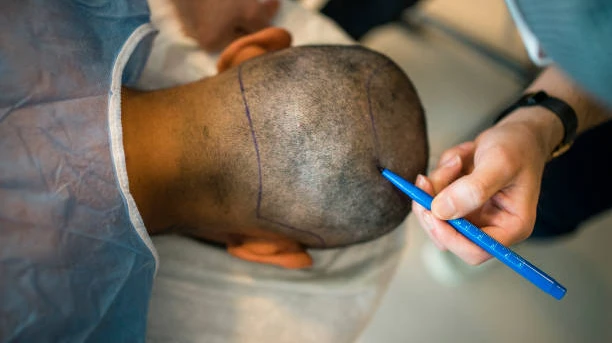
Scalp micropigmentation can suit dark skin tones, using carefully matched pigments to create natural-looking results and enhance hair density.
Scalp micropigmentation has become a popular cosmetic approach for improving the appearance of thinning hair, receding hairlines, bald areas, and visible scalp. Because SMP involves placing carefully selected pigment into the scalp, people with darker skin often wonder whether the technique can create a natural-looking result. For those considering Scalp Micropigmentation in Abu Dhabi, the answer is yes, scalp micropigmentation can be suitable for dark skin when the pigmentation is carefully customized to complement the individual's natural complexion and hair color. The key is not simply choosing a darker pigment, but creating the right balance between tone, density, placement, and existing hair.
What Is Scalp Micropigmentation?
Scalp micropigmentation, commonly known as SMP, is a cosmetic technique that uses fine needles to place tiny pigment impressions into the scalp. These impressions are designed to resemble natural hair follicles and can create the visual appearance of closely cropped hair or greater hair density.
Unlike treatments intended to stimulate hair growth, SMP focuses on changing the appearance of the scalp. It can be used when someone has a receding hairline, thinning crown, diffuse hair loss, complete baldness, or visible scalp between existing hairs.
Because the treatment works with pigment rather than actual hair follicles, skin tone is an important part of the planning process. The objective is to ensure that the pigment complements both the scalp and surrounding hair instead of creating excessive contrast.
Can SMP Work on Dark Skin?
Yes, scalp micropigmentation can be suitable for darker skin tones. There is no requirement for someone to have a light complexion to achieve a natural-looking SMP appearance. In fact, the technique can be adapted to a wide range of complexions because pigment selection and placement can be customized.
Dark skin contains higher levels of melanin, which can influence how pigmentation and color changes appear visually. Darker skin can also be more prone to hyperpigmentation after skin injury or inflammation, making thoughtful treatment planning particularly important. The American Academy of Dermatology notes that people with darker skin tones can develop post-inflammatory hyperpigmentation when the skin is injured or inflamed.
For this reason, the goal should always be a balanced and natural result rather than simply using the darkest possible pigment.
Why Is Pigment Selection Important for Dark Skin?
Pigment selection plays a major role in creating realistic scalp micropigmentation. The ideal shade should complement the person's existing hair, scalp complexion, and preferred hairstyle.
Using an excessively dark shade can create too much visual contrast, particularly when the pigment is placed densely. On the other hand, pigmentation that is too light may not provide enough definition to create the intended follicle effect.
For darker complexions, subtle differences in undertone can also influence how the final result appears. A carefully selected pigment can help the impressions blend with natural hair while maintaining a believable follicular appearance.
The goal is not to match the scalp exactly with one solid color. Natural-looking SMP relies on numerous small impressions that collectively create the appearance of hair follicles.
How Does SMP Look on Darker Complexions?
When properly customized, SMP can look very natural on darker skin. The individual pigment impressions are intended to resemble closely cropped follicles rather than visible spots placed on top of the scalp.
The overall appearance depends on factors such as pigment shade, spacing, density, hair color, scalp tone, and the individual's existing hair. These elements need to work together so that the pigmentation does not appear separate from the natural hair.
For someone with existing hair, the SMP can be placed between visible follicles to reduce scalp contrast. For someone with complete baldness, the pigmentation can create the appearance of a closely shaved hairstyle across the scalp.
Can SMP Make Dark Skin Look More Hair-Dense?
Yes, scalp micropigmentation can create the visual impression of greater hair density on darker skin. When thinning hair allows the scalp to become more visible, carefully placed pigment impressions can reduce the contrast between the scalp and existing hair.
This can be particularly useful around the crown, frontal hairline, temples, or diffuse thinning areas. Rather than creating actual additional strands, SMP adds visual points that resemble follicles.
The result can make the scalp appear more uniformly covered while allowing natural hair to remain visible. For people with dark skin and existing hair, this blending effect can be particularly important because the goal is to enhance density without creating an obvious cosmetic boundary.
Is SMP Suitable for Dark Skin With Existing Hair?
SMP can work well when natural hair is still present. The pigmentation can be integrated into areas where the scalp is more visible, helping existing hair appear visually denser.
This approach can be useful for people with mild or moderate thinning who do not want a completely shaved appearance. A widening part, thinning crown, receding temples, or reduced frontal density can all potentially be addressed through carefully positioned pigmentation.
The existing hair provides a natural reference for the pigment pattern. The impressions can be arranged to complement the direction and density of surrounding follicles, helping the treated area look consistent with the rest of the scalp.
Can SMP Define a Hairline on Dark Skin?
Yes. Scalp micropigmentation can create or reinforce the appearance of a defined hairline on darker skin. The hairline can be designed using small follicle-like impressions rather than a solid, drawn line.
This is especially important because an overly sharp or heavily saturated hairline can look artificial regardless of skin tone. A gradual transition with subtle variation generally creates a more believable appearance.
For someone with a receding hairline, SMP can visually strengthen the frontal region and temples. For complete baldness, it can establish the appearance of a closely shaved hairline that complements the person's facial proportions.
What About Hyperpigmentation and Darker Skin?
People with darker skin tones can be more susceptible to hyperpigmentation following skin injury or inflammation. The American Academy of Dermatology explains that increased melanin production can cause dark spots after various forms of skin injury or inflammation, and these changes may take time to fade.
This makes individualized assessment important before any cosmetic procedure that involves the skin. Existing pigmentation concerns, uneven skin tone, previous scalp procedures, and the general condition of the scalp can all influence how an SMP result appears.
The objective should be to work with the person's natural skin characteristics rather than applying the same pigmentation strategy to every complexion.
Does Darker Skin Require a Different SMP Technique?
The fundamental principle of SMP remains the same, but customization becomes particularly important. Pigment selection, density, spacing, and the visual relationship between the scalp and hair all need to be considered.
The treatment should also account for how the person's hair looks under different lighting conditions. A result that appears balanced indoors should remain visually natural outdoors and in brighter environments.
Gradual pigmentation can be useful for creating a realistic transition. Rather than attempting to achieve maximum density immediately, the desired appearance can be built around the existing hair and scalp characteristics.
Can SMP Be Used for Complete Baldness on Dark Skin?
Yes. Complete baldness does not prevent someone with dark skin from considering scalp micropigmentation. In this situation, SMP can create the appearance of closely shaved follicles across the scalp and establish a defined hairline.
Because there may be little or no natural hair available for blending, hairline design becomes especially important. The pigment shade should work harmoniously with the complexion and preferred shaved-head appearance.
A realistic result should reproduce the visual characteristics of short follicles rather than making the scalp look as though it has been covered with a uniform layer of color.
How Can a Natural SMP Result Be Achieved on Dark Skin?
Natural-looking SMP depends on precision and restraint. The pigmentation should complement the existing hair and complexion instead of overwhelming them. Individual impressions should have appropriate spacing and density, with transitions that mimic the irregular nature of natural follicular patterns.
The hairline should also be designed according to facial proportions rather than following an identical template for every person. A softer, naturally irregular hairline can often appear more realistic than an extremely straight or dense one.
Understanding the difference between pigmentation and actual hair is equally important. SMP creates a visual illusion of follicles, so realistic expectations are central to appreciating the result.
Is Scalp Micropigmentation a Good Choice for Dark Skin?
Scalp micropigmentation can be a suitable cosmetic option for people with dark skin who want to improve the appearance of thinning hair, baldness, scalp show-through, or a receding hairline. Dark skin does not automatically make SMP unsuitable. Instead, it highlights the importance of customized pigment selection, controlled density, natural hairline design, and careful attention to the individual's complexion.
The treatment can work with existing hair or create the appearance of closely shaved follicles when natural hair is absent. Its purpose is visual enhancement rather than actual hair growth.
For individuals with darker complexions, achieving a convincing result is less about using a particular universal shade and more about creating harmony between the pigment, scalp, hair, and overall facial appearance. With realistic expectations and individualized planning, SMP can provide a natural-looking way to improve the visual appearance of hair loss.
FAQs
Is scalp micropigmentation safe for dark skin?
SMP can be performed on dark skin, but individual skin characteristics should be considered before treatment. Darker skin can be more prone to pigmentation changes following skin injury, so appropriate assessment and customized treatment planning are important.
Does SMP look natural on dark skin?
Yes. When pigment shade, density, spacing, and hairline design are appropriately customized, SMP can create a natural-looking follicle effect on darker complexions.
Can dark-skinned people get SMP for a receding hairline?
Yes. SMP can visually strengthen a receding hairline by creating follicle-like impressions along the frontal scalp and temple areas.
Can SMP work with existing hair on dark skin?
Yes. Pigmentation can be placed between existing hairs to reduce visible scalp and create the appearance of greater density. The design can be adapted to the person's natural hair pattern.
Can SMP cover complete baldness on dark skin?
Yes. SMP can create the appearance of closely shaved follicles across a completely bald scalp. A carefully designed hairline and appropriately selected pigment can help produce a balanced overall appearance.

Comments
Login to Comment