Is robotic spine surgery really safer? What the research shows
31 Mar, 2026
3488 Views 0 Like(s)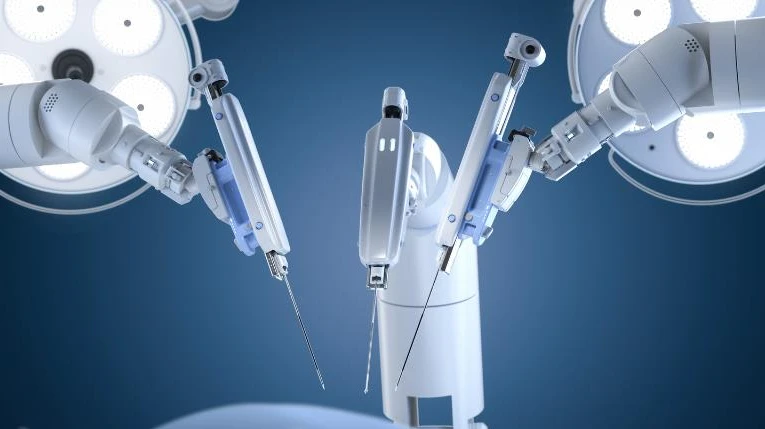
Robotic spine surgery improves accuracy, lowers risks, and reduces pain and recovery time, but results still depend on surgeon skill and the procedure type.
If you have been told you need spine surgery, there is a good chance you have come across the term "robotic spine surgery." Hospitals and surgical centers promote it as a major leap forward in precision and safety. But you are right to ask the obvious question: is it actually safer, or is it just impressive-sounding technology with a higher price tag?
The honest answer is that the research is genuinely encouraging, but it is more nuanced than most marketing materials suggest. This article walks through what the studies show, where robotic surgery clearly wins, where the evidence is still emerging, and what this means for you as a patient.
What is robotic spine surgery, exactly?
First, a quick clarification: "robotic" does not mean a robot performs your surgery. It means your surgeon operates with the assistance of a robotic guidance system that provides real-time imaging, three-dimensional navigation, and sub-millimeter precision that the human hand alone cannot match.
The most widely used system in the United States today is the Globus ExcelsiusGPS, used by the team at Atlantic Brain and Spine. It combines robotic arms with advanced navigation to help surgeons place screws, implants, and other hardware with pinpoint accuracy. Think of it as GPS navigation for your spine, overlaid with real-time 3D imaging that updates throughout the procedure.
The accuracy advantage: where research is clearest
The strongest and most consistent body of evidence for robotic spine surgery involves screw placement accuracy. In spinal fusion procedures, pedicle screws must be placed with extreme precision. A misplaced screw, even by a few millimeters, can injure a nerve, cause persistent pain, or require revision surgery.
Multiple peer-reviewed studies have compared robotic-assisted pedicle screw placement against conventional freehand and fluoroscopy-guided techniques. The findings are consistent across the literature.
-
98.3% screw accuracy rate with robotic guidance in clinical studies
- 5x fewer screw malposition cases vs freehand technique in comparative trials
-
60% reduction in radiation exposure to surgical team with robotic navigation
- 40% lower rate of revision surgery reported in robotic cohort studies
A 2019 meta-analysis published in the journal Spine examined 13 studies and over 1,800 patients. It found that robot-assisted pedicle screw placement achieved significantly higher accuracy rates compared to freehand techniques, with fewer breaches of the pedicle wall. This matters enormously because pedicle wall breaches are the primary cause of nerve injury during fusion surgery.
Fewer complications: what the data shows
Beyond screw accuracy, researchers have examined broader complication rates including infection, blood loss, neurological injury, and hospital readmission. The findings consistently favor minimally invasive robotic approaches over traditional open surgery, though it is important to note that some of these benefits overlap with minimally invasive technique generally, not robotics alone.
Robotic-assisted surgery
- Smaller incisions, less muscle disruption
- Lower intraoperative blood loss
- Reduced infection risk (smaller wound)
- Less postoperative pain medication use
- Shorter average hospital stay: 1.8 days
- Higher screw and implant accuracy
- Lower revision surgery rates
Conventional open surgery
- Larger incisions, more muscle retraction
- Higher average blood loss
- Greater soft tissue trauma
- More postoperative pain, longer analgesia
- Longer average hospital stay: 3.5 days
- Relies on surgeon's manual precision
- Higher rate of hardware revision
A safety benefit that is often overlooked: radiation reduction
One of the less-discussed but genuinely significant safety advantages of robotic navigation involves radiation exposure, not just to the patient but to the surgical team.
Traditional fluoroscopy-guided spine surgery requires repeated X-ray imaging throughout the procedure to verify screw placement. Surgeons, scrub technicians, and nurses stand in the radiation field for the duration of the case. Over a career, that cumulative exposure adds up.
Robotic navigation systems like the ExcelsiusGPS create a preoperative 3D map of the spine and use that map to guide instrumentation in real time, dramatically reducing the need for repeated intraoperative fluoroscopy.
Recovery time: what patients actually experience
Clinical trials and patient outcome registries consistently show faster recovery trajectories for patients who undergo robotic-assisted minimally invasive spine surgery compared to traditional open procedures. This is driven by several factors working together.
Because robotic guidance allows surgeons to work through smaller incisions with less retraction of surrounding muscles, the surrounding soft tissue sustains less trauma. Less trauma means less inflammation, less pain, and faster return to normal function. The data on this is now quite robust across multiple procedure types including lumbar fusion, cervical fusion, and decompression surgery.
Where the evidence is still developing
Intellectual honesty requires acknowledging where the research has limitations. Robotic spine surgery is a relatively recent technology, and some of the long-term outcome data, meaning 5-year and 10-year fusion rates and functional outcomes, is still being collected.
Several important caveats are worth understanding as a patient.
Surgeon experience matters enormously
Robotic systems enhance precision, but they do not replace surgical judgment or experience. Studies consistently show that outcomes are significantly better when the procedure is performed by high-volume surgeons at dedicated spine centers. The robot guides where the hardware goes, but the surgeon still makes all the critical decisions about anatomy, decompression, and approach.
Not every spine condition benefits equally
Robotic assistance shows the clearest benefit in instrumented fusion procedures where screw placement is the primary technical challenge. For other procedures such as microdiscectomy, the benefit of robotic guidance is less well established, and a skilled minimally invasive surgeon may achieve equivalent results without robotics.
Most studies are observational
The majority of the existing literature consists of retrospective cohort studies and case series rather than randomized controlled trials, which are the gold standard of clinical evidence. Large randomized trials are underway, but their results are pending. The existing evidence is strong enough to support the use of robotic guidance, but patients should understand that the evidence base is still maturing.
The Research Verdict: a clear but honest picture
What the evidence supports
- Robotic guidance meaningfully improves pedicle screw accuracy. The evidence here is strong and consistent across multiple studies and institutions.
- Minimally invasive robotic approaches reduce blood loss, hospital stay duration, infection risk, and postoperative pain compared to traditional open surgery.
- Radiation exposure to patients and surgical staff is significantly lower with robotic navigation compared to fluoroscopy-guided conventional techniques.
- Long-term fusion rates and functional outcomes appear favorable, but 10-year randomized data is still being gathered. Current results are promising.
- The technology's benefit is most clearly established for instrumented fusion. Benefits for simpler decompression procedures are less certain and case-dependent.
Who benefits most from robotic spine surgery?
Based on the current evidence, certain patient profiles are most likely to benefit from robotic-assisted approaches. These include patients requiring multi-level spinal fusion, those with complex anatomy such as severe scoliosis or prior surgery, patients with obesity where traditional landmarks are harder to identify, older patients who are at higher risk from prolonged surgery and blood loss, and anyone for whom a shorter hospital stay and faster recovery are important priorities.
Patients with straightforward single-level disc herniations may do equally well with a skilled minimally invasive surgeon using conventional technique. The best approach is always the one most appropriate for your specific anatomy and diagnosis, chosen by a surgeon with the experience to make that judgment clearly.
Questions to ask your surgeon before robotic spine surgery
Armed with this research context, here are the most important questions to ask during your surgical consultation. The answers will tell you a great deal about whether you are in the right hands.
- How many robotic spine procedures do you perform each year at this center?
- What robotic system do you use and what training have you completed on it?
- Is robotic guidance specifically indicated for my diagnosis and procedure?
- What is your personal complication rate for this procedure?
- What does my recovery timeline look like realistically?
- Is a multidisciplinary team involved in my care planning?
- Are there non-surgical options I should consider first?
Frequently Asked Questions
Is robotic spine surgery FDA-approved?
Yes. Systems like the Globus ExcelsiusGPS are FDA-cleared medical devices that have undergone regulatory review. FDA clearance for a surgical device means it has demonstrated safety and effectiveness for its intended use. Atlantic Brain and Spine uses only FDA-cleared robotic navigation technology.
Does robotic surgery mean I will have a faster recovery?
Is robotic spine surgery covered by insurance?
Insurance coverage depends on your plan, your diagnosis, and whether the procedure is deemed medically necessary. Most major insurers cover robotic-assisted spine surgery when it is performed for appropriate indications. Atlantic Brain and Spine has dedicated insurance support staff who can help verify your coverage before your procedure.
Does robotic surgery eliminate the risk of nerve damage?
It significantly reduces the risk by improving screw placement accuracy and reducing the chance of misplaced hardware, which is the most common cause of nerve injury during fusion surgery. However, no surgical system eliminates all risk. The goal of robotic guidance is to give your surgeon every possible advantage in protecting your nervous system during the procedure.
How do I know if a surgeon is truly experienced with robotic spine surgery?
Ask directly how many robotic procedures they perform per year and whether they serve as a proctor or trainer for other surgeons. Proctors are surgeons certified to train others on robotic systems, which is a strong indicator of advanced expertise. Dr. Kimberly Ashayeri at Atlantic Brain and Spine, for example, serves as a spinal robotics proctor at Overlook Medical Center.



Comments
Login to Comment