Is Pigmentation Treatment Effective for Facial Marks
11 Aug, 2026
668 Views 0 Like(s)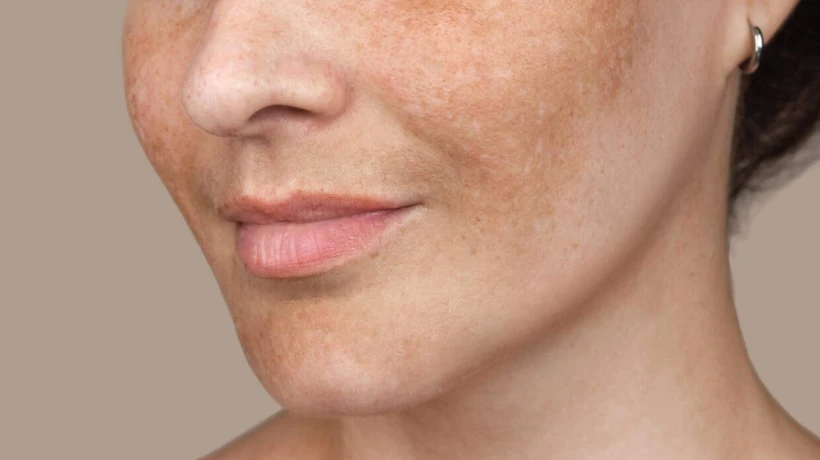
Explore how pigmentation treatments can reduce facial marks, even skin tone, and improve overall clarity for a smoother, healthier-looking complexion.
Facial marks can make an otherwise healthy complexion appear uneven, especially when dark spots remain after acne, sun exposure, hormonal changes, or previous skin inflammation. Because these marks can vary significantly in appearance and depth, understanding the cause is essential when considering professional treatment. Pigmentation Treatment in Abu Dhabi may help reduce the visibility of certain facial marks by targeting excess pigmentation and supporting a more balanced-looking skin tone. The results depend on the type of pigmentation, how deeply the pigment sits within the skin, the individual's skin tone, and the treatment approach selected. Professional pigmentation treatment is therefore best understood as a targeted method for improving unwanted discoloration rather than a universal solution for every facial mark.
What Causes Facial Pigmentation Marks?
Facial pigmentation develops when the skin produces or retains an increased amount of melanin, the pigment responsible for natural skin color. Several factors can stimulate this process, including ultraviolet exposure, hormonal changes, acne-related inflammation, and skin injuries. Post-inflammatory hyperpigmentation is particularly common after acne and can remain visible long after the original blemish has disappeared.
Facial marks may appear as isolated brown spots, broader patches, or uneven areas across the cheeks, forehead, chin, or upper lip. Their appearance can provide clues about their underlying cause, but different types of pigmentation may require different treatment approaches.
Can Pigmentation Treatment Improve Facial Marks?
Yes, professional pigmentation treatment can improve the appearance of many facial marks caused by excess pigmentation. Treatments may focus on concentrated dark spots or broader areas of uneven tone, depending on the nature of the concern.
Certain laser and light-based procedures are among the professional approaches used for hyperpigmentation. Treatment can help reduce the visibility of excess pigment so that darker areas gradually become less prominent compared with the surrounding skin.
The objective is generally to create greater uniformity rather than completely change the natural complexion. As the contrast between the facial marks and nearby skin decreases, the face may look clearer and more balanced.
Which Facial Marks Can Respond to Pigmentation Treatment?
Pigmentation treatment may be considered for several types of facial discoloration. Post-acne marks are a common concern because inflammation can trigger increased melanin production. Sun-related spots can also respond to targeted pigmentation procedures, while certain cases of melasma may require a more carefully tailored strategy.
The underlying cause matters because not every dark mark behaves in the same way. Melasma, for example, can be persistent and influenced by hormonal and environmental factors, whereas an isolated sun-related spot may have a different pattern.
A professional assessment can help distinguish between different types of facial pigmentation and determine whether a pigmentation-focused treatment is appropriate.
How Does Pigmentation Treatment Target Dark Facial Marks?
The exact mechanism depends on the selected procedure. Some professional technologies use controlled energy to target areas containing excess pigment. The treated pigment can then become less visible as the skin gradually processes it.
Other approaches may encourage renewal of pigmented surface cells, helping the complexion become more even over time. The selected treatment can be adjusted according to factors such as pigmentation depth, skin tone, treatment area, and the overall pattern of discoloration.
This individualized approach is important because facial pigmentation can differ substantially from one person to another. A method that works well for one type of dark spot may not be equally suitable for another.
Does Skin Tone Affect Pigmentation Treatment Results?
Skin tone is an important consideration when treating facial pigmentation. People with darker complexions naturally have more melanin, and this can influence both the development of pigmentation and the way certain professional procedures are selected.
Research on facial hyperpigmentation in skin of color emphasizes that biological differences need to be considered when choosing treatment and managing pigmentation concerns.
This does not mean that pigmentation treatment is limited to lighter skin tones. Instead, it highlights the importance of personalized treatment settings and appropriate technology. The aim is to target unwanted discoloration while preserving the natural appearance of the surrounding complexion.
Can Pigmentation Treatment Help With Post-Acne Marks?
Post-acne marks are among the facial pigmentation concerns that may respond well to targeted treatment. These marks usually represent a change in skin color rather than a change in texture.
When acne inflammation stimulates excess melanin, a dark mark can remain after the blemish has healed. Treating the pigmentation can gradually reduce the contrast between the mark and the surrounding skin.
However, existing pigmentation and active acne are separate concerns. If new inflammatory breakouts continue, additional dark marks may develop. Managing the underlying acne tendency alongside pigmentation can therefore be important for maintaining a clearer-looking complexion.
Can Treatment Improve Deep Facial Pigmentation?
The depth of pigmentation can influence how quickly it improves. Pigment located closer to the surface may respond differently from discoloration situated deeper within the skin.
Deep pigmentation can sometimes take considerably longer to fade. The American Academy of Dermatology notes that dark spots may take months to improve, while deeper discoloration can persist much longer.
Professional treatment may help accelerate improvement in suitable cases, but expectations should remain realistic. A longstanding or deeply located mark may require a more gradual approach than a recent, superficial discoloration.
How Many Sessions Are Needed for Facial Marks?
There is no universal number of sessions required to improve facial pigmentation. Treatment requirements depend on the number of marks, their size, depth, cause, skin tone, and individual response.
Some localized discoloration may become noticeably lighter after an initial treatment, while more persistent pigmentation may require a series of sessions. Progress is generally assessed over time as the skin responds and the contrast between the treated areas and surrounding complexion changes.
Rather than focusing only on the number of treatments, the more meaningful measure is whether the facial marks are gradually becoming less noticeable.
Can Pigmentation Treatment Make the Face Look Clearer?
Reducing visible pigmentation can significantly improve the overall appearance of facial skin. When dark spots and patches become less prominent, the complexion can look more uniform and refreshed.
This improvement is particularly noticeable when pigmentation is widespread or when several post-acne marks are concentrated across visible areas of the face. Creating a more consistent skin tone can reduce the visual distraction caused by individual dark marks.
Pigmentation treatment does not need to make the skin completely flawless to create a noticeable improvement. Even a reduction in contrast can make the complexion appear clearer.
Why Is Sun Protection Important for Facial Pigmentation?
Sun exposure can stimulate melanin production and make existing facial pigmentation more noticeable. Ultraviolet exposure is also a major contributor to several forms of facial discoloration.
For this reason, sun protection is an important part of long-term pigmentation management. Protecting the skin from excessive ultraviolet exposure can support professional treatment and help reduce the development of additional dark spots.
This is especially important for people who are naturally prone to pigmentation. Treatment can address existing marks, while consistent protection can help maintain a more even-looking complexion over time.
Can Facial Pigmentation Be Completely Removed?
Complete removal cannot always be guaranteed. The outcome depends heavily on the type of pigmentation and the factors that caused it.
Some isolated marks may become significantly lighter, while conditions such as melasma can require longer-term management because hormonal and environmental influences may continue to stimulate pigment production. Facial pigmentation can also return when the original triggers remain active.
The most realistic goal is usually substantial improvement in the visibility of unwanted marks and a more consistent overall skin tone.
What Should You Expect From Pigmentation Treatment?
Pigmentation treatment generally produces gradual rather than instant improvement. The skin may continue changing after treatment as targeted pigment is processed and the complexion becomes more uniform.
A professional assessment is important because facial marks can have different causes, and some marks may require evaluation before cosmetic treatment. Once the pigmentation type is understood, an appropriate approach can be selected according to the individual's skin characteristics and treatment goals.
Overall, pigmentation treatment can be effective for many facial marks, particularly when the discoloration is caused by excess melanin. With appropriate treatment selection and realistic expectations, reducing visible pigmentation can help create a clearer, brighter, and more even-looking complexion.
FAQs
Can pigmentation treatment remove facial dark spots?
Pigmentation treatment can significantly reduce the appearance of many facial dark spots. The degree of improvement depends on the cause, depth, size, skin tone, and treatment approach.
Can pigmentation treatment help with acne marks?
Yes. Professional pigmentation treatment may help fade dark marks left after acne by reducing excess pigmentation and improving overall skin-tone uniformity.
Does pigmentation treatment work on sun spots?
Certain professional pigmentation procedures can improve the appearance of sun-related spots. Continued ultraviolet exposure can contribute to further pigmentation, so long-term sun protection remains important.
Can pigmentation treatment work on melasma?
Treatment may improve the appearance of melasma, but this form of pigmentation can be persistent and may recur. A tailored approach is generally important because hormonal and environmental factors can influence its behavior.
How long does facial pigmentation treatment take to show results?
Results usually develop progressively. Superficial pigmentation may improve sooner, while deeper or longstanding facial marks can take longer to become less visible. Individual response and treatment type also influence the timeframe.



Comments
Login to Comment