Is Phlebotomy a Good Career in the UK? Salary, Demand & Growth
06 Mar, 2026
5725 Views 0 Like(s)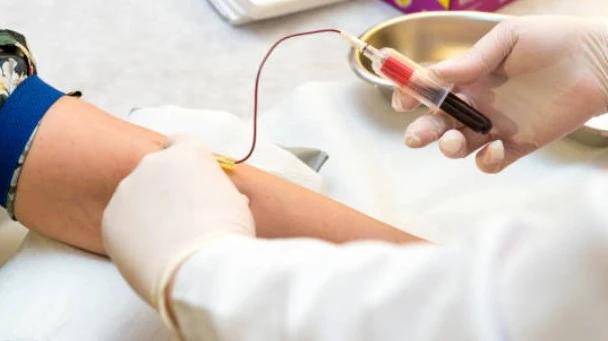
Discover if phlebotomy is a good career in the UK. Learn about salary, job demand, training requirements, and career growth opportunities for phlebotomists.
Healthcare careers are growing rapidly in the UK, but not everyone wants to spend years studying to enter the medical field. If you are looking for a practical, patient-facing healthcare role with short training time, phlebotomy may be the perfect option. Phlebotomists play a crucial role in hospitals, GP surgeries, clinics, and laboratories by collecting blood samples for testing.
Blood tests help doctors diagnose illnesses, monitor treatments, and detect diseases early. Without trained professionals to collect samples safely, many medical decisions would not be possible.
So, is phlebotomy a good career in the UK? In this guide, we will explore salary expectations, job demand, career growth, and what makes phlebotomy an attractive entry point into healthcare.
What Does a Phlebotomist Do?
A phlebotomist is a healthcare professional trained to draw blood from patients for medical testing, transfusions, research, or donations. The role requires technical skill, attention to detail, and excellent communication, as many patients are nervous about needles.
Typical responsibilities include:
- Collecting blood samples using safe venepuncture techniques
- Verifying patient identity and preparing equipment
- Labelling and handling blood samples correctly
- Maintaining infection control and hygiene standards
- Reassuring patients who feel anxious during procedures
- Recording patient information and updating records
Phlebotomists work closely with nurses, doctors, and laboratory staff to ensure samples are collected and processed accurately.
Is Phlebotomy in Demand in the UK?
Yes, phlebotomy is in high demand across the UK healthcare system. Blood testing is one of the most common medical procedures performed in hospitals and GP practices.
Several factors are increasing the demand for trained phlebotomists:
- Growing population and ageing society
- Increased need for diagnostic testing
- Expansion of private healthcare clinics
- More routine health screening programmes
- Shortage of trained healthcare staff in many areas
The NHS and private healthcare providers frequently recruit phlebotomists to support diagnostic services. Because blood tests are required in nearly every medical speciality, trained professionals have opportunities in many healthcare settings.
Common workplaces include:
- NHS hospitals
- GP surgeries
- Private medical clinics
- Diagnostic laboratories
- Blood donation centres
- Community healthcare services
For people seeking a stable healthcare career, phlebotomy offers strong job prospects.
Phlebotomist Salary in the UK
Phlebotomy salaries in the UK vary depending on experience, location, and employer.
Average Salary
Typical earnings include:
- Entry-level phlebotomist: £20,000 – £23,000 per year
- Experienced phlebotomist: £23,000 – £28,000 per year
- Senior phlebotomist or specialist roles: £28,000+
In the NHS, phlebotomists are often employed under Agenda for Change Band 2 or Band 3 pay scales.
Many professionals also increase their income by:
- Working overtime or flexible shifts
- Taking agency healthcare roles
- Gaining additional clinical skills
Private clinics may also offer competitive hourly rates for trained phlebotomists.
Benefits of Choosing Phlebotomy as a Career
Phlebotomy is becoming increasingly popular for people who want to enter healthcare quickly without spending several years at university.
Here are some key advantages.
Short Training Period
Unlike many healthcare roles, phlebotomy training can be completed in a relatively short time. With the right course, students can learn the essential skills needed to begin working in the field quickly.
Courses often include:
- Venepuncture techniques
- Infection control procedures
- Patient communication skills
- Sample handling and labelling
- Health and safety practices
Many training providers also include practical blood-drawing training, so students gain hands-on experience before entering the workplace.
Entry-Level Healthcare Career
Phlebotomy is considered one of the best entry points into healthcare. You do not always need previous medical experience to begin training.
This makes the career ideal for:
- Career changers
- Healthcare assistants wanting to specialise
- Students exploring medical careers
- People returning to work after a break
Patient Interaction
If you enjoy working with people, phlebotomy can be very rewarding. You will interact with patients every day and play a direct role in supporting their diagnosis and treatment.
Many patients feel anxious about blood tests, so phlebotomists help make the experience calm and comfortable.
Flexible Work Opportunities
Phlebotomists often have flexible working options, including:
- Part-time roles
- Hospital shift work
- Agency work
- Community health services
This flexibility makes the role suitable for people balancing work with family or other commitments.
Skills Needed to Become a Phlebotomist
Although phlebotomy training is shorter than many medical careers, the role still requires important skills.
Successful phlebotomists usually have:
- Strong attention to detail
- Good manual dexterity
- Excellent communication skills
- Calm and reassuring behaviour
- Ability to follow strict safety procedures
- Confidence working with medical equipment
Hands-on learning is especially important because blood collection requires precision and proper technique. Many training programmes therefore provide practical blood-drawing training to help students build confidence before working with real patients.
How to Become a Phlebotomist in the UK
Starting a phlebotomy career typically involves several steps.
1. Complete a Phlebotomy Training Course
A recognised training course will teach essential skills such as:
- Venepuncture techniques
- Patient care and communication
- Infection control procedures
- Safe sample handling
Choosing a course that includes practical training can significantly improve employability.
2. Gain Practical Experience
Hands-on experience helps build confidence and ensures you can perform procedures safely. Some training programmes include supervised clinical practice.
3. Apply for Entry-Level Roles
Once training is complete, you can apply for positions in:
- NHS hospitals
- GP practices
- Private clinics
- Diagnostic laboratories
Entry-level roles often provide additional on-the-job training.
4. Continue Developing Skills
Many phlebotomists expand their careers by gaining additional healthcare qualifications or clinical skills.
Career Growth Opportunities
Phlebotomy can also open the door to other healthcare careers. After gaining experience, professionals may progress into roles such as:
- Senior phlebotomist
- Healthcare assistant
- Medical laboratory assistant
- Phlebotomy supervisor
- Nursing or biomedical science pathways
Many healthcare professionals begin their careers in phlebotomy before moving into specialised medical fields.
This makes it an excellent stepping stone into the healthcare sector.
Challenges of the Phlebotomy Profession
Like any healthcare role, phlebotomy also has challenges.
Common difficulties include:
- Working with anxious or needle-phobic patients
- Standing for long periods
- Maintaining strict infection control standards
- Managing busy clinic schedules
However, proper training and experience help professionals manage these situations effectively.
For many people, the rewards of helping patients and contributing to healthcare outweigh these challenges.
Conclusion
Phlebotomy is a valuable and rewarding healthcare career in the UK. With strong demand for diagnostic testing and a growing healthcare sector, trained phlebotomists remain essential in hospitals, clinics, and laboratories.
The role offers several benefits:
- Short training period
- Entry point into healthcare
- Stable job opportunities
- Competitive salaries
- Opportunities for career progression
For individuals who enjoy working with patients and want a hands-on clinical role, phlebotomy can be an excellent career choice. With the right training and practical experience, you can build a stable and fulfilling career in the healthcare field.
FAQs
1. Is phlebotomy a good career in the UK?
Yes. Phlebotomy offers strong job demand, short training time, and opportunities to work in hospitals, clinics, and laboratories.
2. How long does phlebotomy training take in the UK?
Many courses can be completed within a few weeks, depending on the training provider and practical learning components.
3. What is the average salary of a phlebotomist in the UK?
Entry-level phlebotomists usually earn between £20,000 and £23,000 per year, while experienced professionals can earn up to £28,000.
4. Do you need medical experience to become a phlebotomist?
Not always. Many training programmes accept beginners and teach the essential skills needed to start a career.
5. Where do phlebotomists work?
Phlebotomists commonly work in NHS hospitals, GP surgeries, private clinics, laboratories, and blood donation centres.



Comments
Login to Comment