Is Laser Hair Removal Safe for Acne-Prone Skin Types
17 Aug, 2026
610 Views 0 Like(s)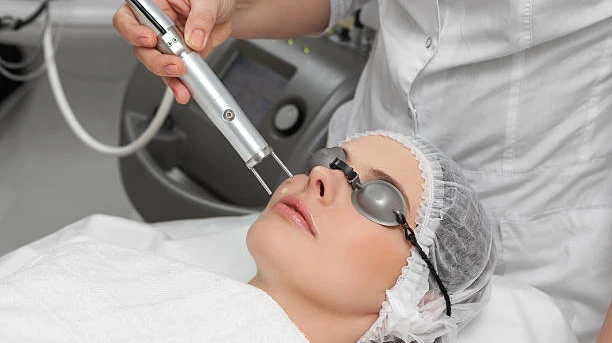
Laser hair removal can be suitable for acne-prone skin when performed properly, helping reduce unwanted hair while minimizing irritation and breakouts.
Acne-prone skin often requires extra consideration when choosing cosmetic treatments, particularly when the treatment involves concentrated energy directed at the skin. Laser hair removal can be suitable for many people with acne-prone skin when the treatment is properly assessed and performed using an appropriate technique. For those considering Laser Hair Removal in Abu Dhabi, understanding how acne activity, skin condition, hair characteristics, and treatment settings can affect suitability is essential. Laser hair removal primarily targets hair follicles rather than acne itself, making it a separate approach from conventional acne management.
Understanding Acne-Prone Skin
Acne-prone skin is characterized by a tendency to develop clogged pores, pimples, blackheads, whiteheads, or recurring breakouts. The condition can vary considerably from one person to another, with some individuals experiencing occasional blemishes and others having persistent acne.
Because laser hair removal focuses on the hair follicle, having acne-prone skin does not automatically mean that laser hair removal is unsuitable. Instead, the current condition of the treatment area and the characteristics of the unwanted hair should be evaluated before treatment begins.
A professional skin assessment can help determine whether the area is appropriate for laser hair removal and whether the timing of treatment is suitable for the individual's current skin condition.
How Laser Hair Removal Works
Laser hair removal uses concentrated light energy that is absorbed by pigment in the hair. The energy travels toward the follicle and interferes with its ability to produce hair effectively. With repeated treatments, this can lead to progressive long-term hair reduction.
The treatment does not specifically target acne. Its purpose is to reduce unwanted hair by acting on the follicles responsible for hair growth. This distinction is important for people with acne-prone skin because laser hair removal should not be considered a replacement for an acne treatment plan.
The effectiveness of laser hair removal depends on factors including hair color, hair thickness, skin tone, and the stage of the hair-growth cycle.
Is Laser Hair Removal Suitable for Acne-Prone Skin?
Acne-prone skin can often be treated with laser hair removal, provided the skin is appropriately evaluated beforehand. The key consideration is not simply whether someone has acne but whether the specific treatment area is suitable at the time of the planned session.
Active skin concerns should be discussed during the consultation so that the treatment approach can be adjusted when necessary. A qualified professional can assess the skin's condition, identify the hair characteristics that need to be targeted, and determine whether laser treatment is appropriate.
The American Academy of Dermatology emphasizes that laser hair removal should be tailored to an individual's skin and hair characteristics and that the experience of the person performing the treatment is important for achieving appropriate results.
Treating Areas Where Acne and Hair Growth Overlap
Facial areas can present a particular challenge because unwanted hair and acne may occur in the same region. The chin, jawline, upper lip, cheeks, and neck are common areas where people may seek hair reduction while also managing acne-prone skin.
When these concerns overlap, the treatment plan should take both into account. Laser hair removal focuses on unwanted hair, while acne requires its own appropriate management. Treating the hair can reduce the need for frequent shaving or other hair-removal techniques, which may be one reason some people with acne-prone skin consider laser treatment.
However, the presence of active blemishes in the treatment area should always be communicated during the consultation so that the skin can be assessed before proceeding.
Does Skin Tone Affect Laser Hair Removal?
Skin tone is an important consideration for laser hair removal because the treatment relies on pigment to distinguish the hair from the surrounding skin. Modern laser technology can be used across a range of skin tones, but selecting an appropriate wavelength and treatment setting is important.
The contrast between hair and skin can influence how effectively the laser energy is directed toward the follicle. This is particularly relevant for people with darker skin tones, where treatment should be performed by someone experienced with that particular skin type.
The American Academy of Dermatology notes that people of all skin tones can undergo laser hair removal when the procedure is appropriately tailored to their skin tone and performed by an experienced professional.
What About Acne Treatments and Laser Hair Removal?
People with acne may use prescription or non-prescription skin treatments, and some products or medications can affect how the skin should be prepared for a cosmetic procedure. This makes it important to disclose current acne treatments during a laser hair-removal consultation.
In particular, the American Academy of Dermatology recommends informing the treating professional about medications, including isotretinoin, before laser hair removal. The treatment provider can then determine whether the timing and approach are appropriate.
This step helps ensure that the treatment plan is based on the individual's current skin condition rather than simply assuming that acne-prone skin will respond like unaffected skin.
Can Laser Hair Removal Help With Hair-Related Skin Concerns?
Hair removal itself does not treat acne, but changing the way unwanted hair is managed can be useful for people who frequently shave or remove facial hair. Laser hair removal works differently from shaving because it aims to reduce the follicle's ability to produce hair rather than simply cutting the hair at the skin's surface.
The American Academy of Dermatology notes that laser hair removal can be useful for people who experience razor burn or ingrown hairs associated with shaving.
For acne-prone individuals, reducing the need for repeated shaving may make hair management more convenient. Nevertheless, laser hair removal should remain focused on hair reduction rather than being presented as a direct acne treatment.
Preparing for Laser Hair Removal With Acne-Prone Skin
Preparation begins with an honest discussion about the condition of the skin and any products or medications currently being used. A professional should know whether the treatment area has active acne, recent tanning, a history of unusual skin responses, or other relevant skin concerns.
The American Academy of Dermatology recommends avoiding tanning and following individualized preparation instructions before laser hair removal. It also emphasizes the importance of assessing the person's skin and hair characteristics before treatment.
This personalized approach is particularly useful for acne-prone skin because the condition can change over time. A treatment that may be appropriate when the skin is calm may need to be reconsidered if the treatment area becomes significantly inflamed.
Choosing a Suitable Laser Treatment Approach
There is no single laser setting that is ideal for every person. Hair color, hair thickness, skin tone, treatment area, and growth cycle all influence how laser hair removal should be approached.
For acne-prone skin, the condition of the skin adds another important consideration. A professional assessment can help establish whether the treatment area is appropriate and which approach is best suited to the individual's characteristics.
The quality of the treatment depends not only on the technology but also on proper assessment and technique. Professional organizations recommend choosing an appropriately trained provider with experience treating people with the relevant skin tone and characteristics.
Setting Realistic Expectations
Laser hair removal is designed to produce long-term hair reduction, not to treat acne or guarantee that every hair will disappear permanently. Multiple sessions are generally required because hair follicles grow through different phases, and laser energy is most effective during a particular stage.
People with acne-prone skin can therefore consider laser hair removal when unwanted hair is a concern, but the treatment should be viewed as part of a separate hair-management strategy. A professional assessment is the best way to determine whether the skin is ready and whether the expected results are realistic.
Frequently Asked Questions
Is laser hair removal safe for acne-prone skin?
Laser hair removal can be suitable for many people with acne-prone skin when the treatment area is properly assessed and the procedure is appropriately tailored to the individual's skin and hair characteristics.
Can I have laser hair removal while I have acne?
It depends on the condition of the treatment area. Active acne should be discussed during the consultation so the skin can be evaluated and the timing of treatment can be determined appropriately.
Does laser hair removal treat acne?
No. Laser hair removal is designed to reduce unwanted hair by targeting hair follicles. It should not be considered a primary treatment for acne.
Can acne medication affect laser hair removal?
Some medications used for acne can affect whether and when laser hair removal should be performed. It is important to disclose all current medications and skin treatments during the consultation, particularly isotretinoin.
Is laser hair removal suitable for all skin tones with acne?
Laser hair removal can be performed across a broad range of skin tones when the technology and treatment approach are appropriately selected. Experience with the individual's skin tone is an important consideration when choosing a qualified treatment provider.



Comments
Login to Comment