Is Gulkand Good for Acidity? Natural Relief Explained
26 Aug, 2026
504 Views 0 Like(s)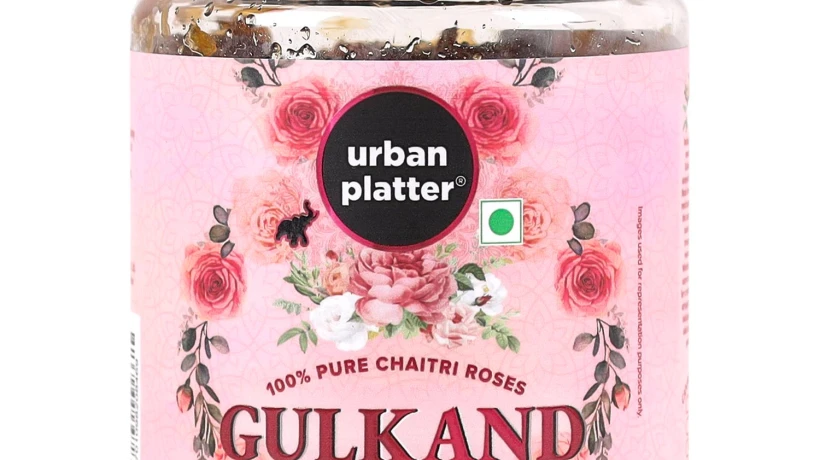
Gulkand is traditionally associated with cooling and digestive comfort, and some people enjoy it as part of their diet when experiencing occasional digestive discomfort. However, there is limited scientific evidence to confirm that it treats acidity or acid reflux.
Acidity is a common digestive concern that can cause symptoms such as heartburn, a sour taste, bloating, and discomfort after meals. People often look for simple dietary choices that may support better digestion and help them manage occasional acidity. One traditional food that is frequently associated with digestive comfort is Gulkand.
Gulkand is a sweet preserve traditionally prepared using rose petals and sugar. It has been used in Indian households for generations and is commonly consumed after meals or mixed with milk, desserts, or beverages. While it may be included in a balanced diet, it is important to understand what Gulkand can and cannot do when it comes to acidity.
What Is Gulkand?
Gulkand is a traditional rose-petal preserve made by combining rose petals with sugar and allowing the mixture to mature. The resulting preparation has a sweet taste, floral aroma, and soft texture.
It is commonly used in Indian cuisine and traditional wellness practices. Some people consume it after meals or use small quantities in milk, desserts, paan, or beverages.
Because formulations can differ between products, it is useful to check the ingredient list and nutritional information before adding Gulkand to your regular diet.
Can Gulkand Help With Acidity?
Gulkand is traditionally considered a cooling food and is often associated with digestive comfort. Some people consume it when they experience occasional acidity or a feeling of heat after eating.
However, scientific evidence specifically establishing Gulkand as a treatment for acidity or acid reflux is limited. Therefore, it should not be considered a proven medical treatment.
If you occasionally experience mild digestive discomfort, consuming a small amount of Gulkand as part of a balanced diet may be enjoyable, but persistent acidity should not be managed with Gulkand alone.
Why Do People Traditionally Use Gulkand for Digestion?
Traditional food practices often associate rose-based preparations with cooling and soothing properties.
Gulkand is sometimes consumed after meals because people believe it may support digestion and help provide a refreshing sensation. Its pleasant sweetness also makes it an appealing alternative to heavier desserts.
However, individual experiences can differ. What feels comfortable for one person may not have the same effect on another.
Understanding Acidity
Acidity is commonly used to describe symptoms associated with excess stomach acid or acid reflux.
Common symptoms may include:
- Heartburn
- Sour or acidic taste
- Burning sensation in the chest or upper abdomen
- Bloating
- Belching
- Discomfort after meals
Occasional symptoms may be influenced by eating habits, large meals, spicy foods, stress, alcohol, caffeine, or lying down soon after eating.
If symptoms occur frequently, it is important to identify the underlying cause rather than relying only on home remedies.
How Gulkand May Fit Into a Balanced Diet
Gulkand can be enjoyed in moderation as part of a varied diet.
A small serving can be added to:
- Milk
- Yogurt
- Smoothies
- Desserts
- Breakfast preparations
- Beverages
Some people also enjoy it directly in small quantities.
Because traditional Gulkand is generally prepared with a significant amount of sugar, portion size matters. People who need to monitor their sugar intake should consider the nutritional information before consuming it regularly.
Is Gulkand Suitable for Everyone?
Not necessarily.
Although Gulkand is a traditional food, its sugar content may make it unsuitable for some individuals in large quantities. People managing diabetes, blood sugar levels, or other dietary restrictions should consider their individual nutritional needs.
Those with allergies or sensitivities to any ingredients should also check the product label carefully.
If you have a medical condition or take regular medication, speak with a healthcare professional before making significant dietary changes.
Gulkand and Post-Meal Comfort
Some people enjoy Gulkand after meals because of its sweet and refreshing taste.
A small amount may be incorporated into a post-meal routine alongside other healthy habits. However, eating habits can have a much greater influence on acidity symptoms than any single food.
Eating smaller portions, avoiding known trigger foods, staying upright after meals, and maintaining a balanced diet may help some people manage occasional reflux symptoms.
Other Lifestyle Habits That May Help With Acidity
If you frequently experience acidity, consider looking at your overall routine.
Helpful habits may include:
Eat Smaller Meals
Large meals can sometimes contribute to reflux and digestive discomfort. Smaller portions may be easier to manage.
Avoid Lying Down Immediately After Eating
Remaining upright after meals can help reduce the likelihood of stomach contents moving back toward the esophagus.
Identify Trigger Foods
Spicy foods, fatty meals, caffeine, alcohol, chocolate, and certain acidic foods may trigger symptoms in some individuals.
Maintain a Healthy Weight
For some people, maintaining a healthy weight may help reduce pressure that can contribute to reflux.
Stay Hydrated
Adequate fluid intake is part of a healthy lifestyle, although excessive fluids immediately around meals may not be comfortable for everyone.
How Much Gulkand Should You Consume?
There is no universally established medical dosage of Gulkand for acidity.
If you choose to consume it as a food, follow the serving recommendation on the product packaging and keep portion size moderate.
It is important not to increase consumption simply because you believe it may relieve acidity. Gulkand is a food product rather than a medically established treatment for acid reflux.
Choosing Quality Gulkand
If you want to add Gulkand to your diet, pay attention to the product's ingredients and preparation.
Consider checking:
- Ingredient list
- Sugar content
- Added preservatives
- Packaging
- Storage instructions
- Best-before date
A reputable food brand should provide clear information about the product and its ingredients.
When Should You See a Doctor?
Occasional acidity may not require medical attention, but frequent or severe symptoms should not be ignored.
Seek professional medical advice if you experience persistent heartburn, difficulty swallowing, unexplained weight loss, vomiting, chest pain, or symptoms that regularly interfere with daily life.
Severe or recurring reflux may require proper diagnosis and treatment.
Gulkand should not replace prescribed medication or professional medical advice.
Final Thoughts
So, is Gulkand good for acidity? Gulkand is traditionally associated with cooling and digestive comfort, and some people enjoy it as part of their diet when experiencing occasional digestive discomfort. However, there is limited scientific evidence to confirm that it treats acidity or acid reflux.
Its high sugar content also means that moderation is important, particularly for people who need to monitor their sugar intake.
Rather than depending on a single food, focus on balanced meals, appropriate portions, healthy lifestyle habits, and identifying personal food triggers. If acidity is frequent or severe, consult a healthcare professional to determine the underlying cause and appropriate treatment.
Frequently Asked Questions
1. Is Gulkand good for acidity?
Gulkand is traditionally considered a cooling food and may be enjoyed for digestive comfort, but there is limited scientific evidence proving that it treats acidity or acid reflux.
2. Can I eat Gulkand every day?
Gulkand can be consumed as a food in moderation, but its sugar content should be considered. Follow the serving recommendations and consider your individual dietary requirements.
3. When is the best time to eat Gulkand?
Some people prefer consuming Gulkand after meals, but there is no medically established timing specifically for treating acidity. Follow the product's serving guidance and your dietary preferences.
4. Can Gulkand replace acidity medicine?
No. Gulkand should not be considered a replacement for prescribed medication or professional medical treatment. Persistent acidity should be discussed with a healthcare professional.
5. What else can help manage occasional acidity?
Eating smaller meals, avoiding personal trigger foods, remaining upright after eating, maintaining a healthy lifestyle, and avoiding meals close to bedtime may help some people manage occasional symptoms.


Comments
Login to Comment