Is an Online Task Manager Better Than Traditional Planning Methods?
26 Jun, 2026
1211 Views 0 Like(s)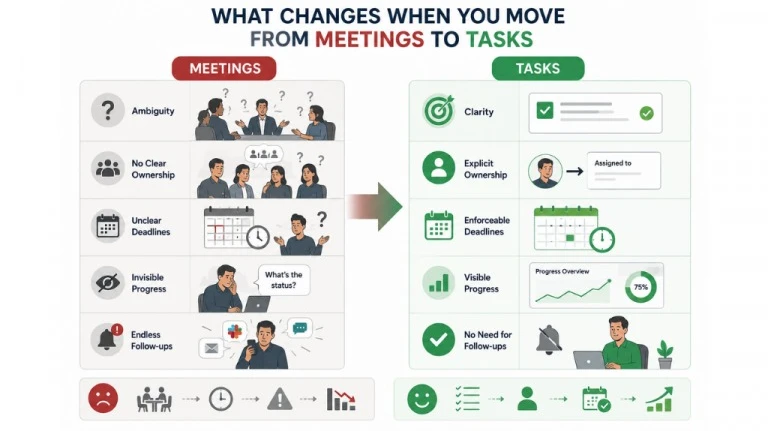
Stay organised with an online task manager that simplifies planning, improves team collaboration, tracks progress, and offers more flexibility than paper-based methods.
Planning and task management have been fundamental to productive work long before software entered the picture. Notepads, planners, sticky notes, whiteboards, and physical filing systems served generations of professionals effectively and continue to be used today alongside, or instead of, digital alternatives. The question of whether an online task manager genuinely outperforms these traditional approaches is worth examining honestly, because the answer depends on the nature of the work, the size of the team, and the specific problems the planning system needs to solve. What is clear is that for teams managing collaborative work with shared deadlines, dependencies, and distributed members, the limitations of traditional planning methods become significant in ways that a well-designed online task manager is specifically built to address.
What Traditional Planning Methods Do Well
Before making the case for digital task management, it is worth acknowledging what traditional methods do genuinely well. Physical notepads and personal planners offer a level of tactile engagement and cognitive reinforcement that many people find genuinely helpful for retaining information and maintaining focus on daily priorities. The act of writing a task by hand, and physically crossing it off when complete, provides a satisfying sense of progress that purely digital interfaces sometimes fail to replicate with the same immediacy.
Whiteboards and physical project boards work well for small co-located teams who can gather around a shared visual display and update it together in real time. They require no technical setup, no login credentials, and no software updates, and they provide a persistent ambient display of project status that is visible to anyone in the room at any time without the need to open an application.

A Direct Comparison of Planning Approaches
Understanding how an online task manager compares to traditional planning approaches across the dimensions that matter most to modern working teams helps clarify where digital tools add genuine value and where traditional methods remain competitive.
For individual daily planning in a single-person context, a physical planner remains a perfectly valid approach. For any team-based work involving shared visibility, remote access, and coordination across multiple concurrent projects, an online task manager delivers capabilities that traditional approaches fundamentally cannot replicate.
The Specific Limitations of Traditional Methods at Team Scale
The limitations of traditional planning methods become most apparent when work is shared across a team with multiple members working on different components of the same project simultaneously. A physical planner captures only the individual's view of their own work — it provides no visibility into what colleagues are working on, what the overall project status is, or where bottlenecks are developing that will affect the individual's own work downstream.
A task management app that connects all team members within a shared digital workspace solves this problem directly, providing everyone with the same real-time view of the full project landscape. The coordination conversations that traditional planning methods require — the status update meetings, the email threads asking where things stand, the informal check-ins to establish whether dependencies have been completed — are dramatically reduced because the information those conversations seek is already visible within the shared system.
Where an Online Task Manager Delivers Distinct Advantages
An online task manager consistently outperforms traditional planning methods across several dimensions that are particularly important for teams managing complex, collaborative, or time-sensitive work in modern business environments:
- Remote and hybrid work support, providing a shared task environment that is equally accessible to team members working from different locations, time zones, or devices without any loss of visibility or coordination quality
- Automated deadline management through notification systems that surface upcoming due dates and overdue tasks without requiring manual diary management or physical reminder systems
- A task management app on mobile devices allows tasks to be captured, updated, and reviewed from anywhere, ensuring the task system reflects the full picture of work in progress even when team members are away from their desks
- Searchable task history that allows completed work to be reviewed, referenced, and used to inform future planning without the physical storage and retrieval challenges associated with paper-based records
- Integration with other digital tools including calendars, communication platforms, and file storage systems that allows the task manager to function as the operational hub of the team's digital working environment

Making the Transition From Traditional to Digital Planning
For individuals and teams accustomed to traditional planning methods, the transition to an online task manager works best when it is approached as a gradual adoption rather than an immediate wholesale replacement. Beginning with a single team or a single project type, establishing consistent habits around task creation and status updates, and allowing the team to experience the practical benefits of shared visibility before expanding usage across the full scope of work produces more durable adoption than a mandated overnight switch.
The goal is not to eliminate the tactile and cognitive benefits of physical planning where they genuinely add value for individual team members, but to complement them with the coordination, visibility, and automation capabilities that only a digital system can provide at team scale.
Choosing the Right Online Task Manager for Your Context
The range of online task management tools available today varies enormously in complexity, pricing, and the specific use cases they are designed to serve. Selecting the right tool requires an honest assessment of the team's actual coordination challenges, the technical comfort level of the people who will use it, and the specific features that will deliver the most meaningful improvement in how work is planned and managed.
TaskOPad Solutions Private Limited provides an online task manager designed to deliver the coordination, visibility, and automation benefits of digital task management within an interface that prioritises ease of use and practical daily utility, making the transition from traditional planning methods straightforward and the adoption consistent across teams of varying technical backgrounds.


Comments
Login to Comment