Iran war effect: Why is Modi asking Indians to avoid foreign trips, gold?
12 May, 2026
1795 Views 0 Like(s)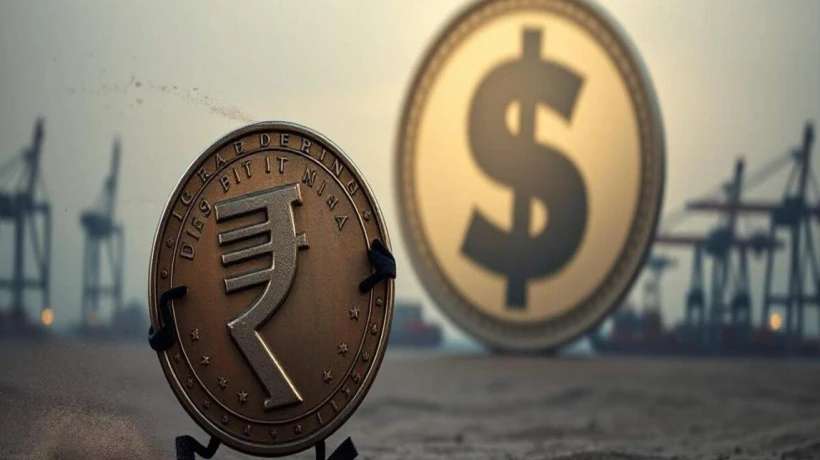
Iran war effect: Why is Modi asking Indians to avoid foreign trips, gold?
The ongoing tensions and conflict involving Iran have created economic uncertainty across the world, and India is also feeling the pressure. Amid rising global oil prices and concerns over foreign exchange reserves, Prime Minister Narendra Modi recently urged Indians to reduce non-essential foreign travel, avoid excessive gold purchases, and save fuel. His appeal has sparked widespread discussion because gold buying and international travel are deeply connected to the lifestyle and aspirations of many Indian families.
According to recent reports, PM Modi made these suggestions while discussing the economic challenges caused by the West Asia conflict and the rising pressure on India’s economy.
India is one of the world’s largest importers of crude oil and gold. A major portion of India’s oil imports passes through the Strait of Hormuz, a strategically important route near Iran. Whenever tensions rise in this region, oil prices across the world increase sharply. Since India depends heavily on imported oil, higher prices mean the country has to spend more US dollars to purchase fuel.
At the same time, India also imports massive quantities of gold every year. Gold is extremely popular in Indian culture and is considered a symbol of wealth, tradition, and security. Families buy gold during weddings, festivals like Diwali and Akshaya Tritiya, and as a form of savings. However, gold imports require large amounts of foreign currency because gold is purchased globally in dollars.
Economic experts believe that during periods of global instability, reducing non-essential imports becomes important for protecting a country’s economy. PM Modi’s appeal was mainly focused on conserving India’s foreign exchange reserves. These reserves are crucial because they help India pay for imports, stabilize the rupee, and maintain economic confidence during crises.
The Iran conflict has also pushed global energy prices upward. Rising crude oil prices increase transportation costs, manufacturing expenses, airline fuel charges, and inflation. This affects ordinary citizens through higher prices for goods and services. To reduce the economic burden, Modi encouraged people to use public transport, carpool, work from home when possible, and avoid unnecessary fuel consumption.
Another important concern is the weakening of the Indian rupee. When India spends more dollars on imports such as oil and gold, demand for dollars increases. This can weaken the rupee against the US dollar. A weaker rupee makes imports even more expensive, creating additional economic pressure. Economists say that limiting foreign trips and reducing luxury imports can help reduce the outflow of dollars from the country.
Foreign travel is another major contributor to foreign currency outflow. Indians spend billions of dollars annually on tourism, shopping, education, and leisure abroad. During stable economic conditions, this is not considered a major problem. However, during global crises and energy shocks, governments often encourage citizens to reduce non-essential spending outside the country. PM Modi’s suggestion to avoid foreign trips for a year was aimed at conserving foreign exchange during a difficult period.
The Prime Minister also promoted the idea of economic patriotism. He emphasized that small lifestyle changes by millions of citizens could collectively help strengthen the economy. By reducing fuel use, limiting imports, and prioritizing domestic spending, India could better manage the impact of rising oil prices and global instability.
The appeal has received mixed reactions from the public and political leaders. Some economists and policy experts support the idea, saying that conserving foreign exchange during a global crisis is practical and responsible. Others believe that asking people to reduce travel and gold purchases may affect industries such as tourism, aviation, and jewellery. Opposition leaders have also criticized the government, calling the appeal a sign of economic stress.
Despite the concerns, the government has clarified that there are currently no plans to impose restrictions or increase import duties on gold. The suggestions remain voluntary appeals rather than legal restrictions.
Historically, India has faced similar economic situations during periods of high oil prices and global uncertainty. In the past, governments have increased gold import duties or promoted alternatives like Sovereign Gold Bonds to reduce dependence on physical gold imports.
In conclusion, PM Modi’s appeal to avoid excessive gold purchases and foreign travel is linked directly to the economic effects of the Iran conflict and rising global oil prices. The government’s main objective is to conserve foreign exchange reserves, protect the rupee, and reduce economic pressure during uncertain times. While the suggestions may not be mandatory, they reflect growing concerns about global instability and its impact on India’s economy.



Comments
Login to Comment